Strengthening Women's Competencies in the Sustainable Maritime Transport Sector through upgrading skills related to Maritime Digitalization and Marine Environmental protection.

Overview

The SMART-C WOMEN Project is a flagship initiative under the IMO-Republic of Korea (RoK) SMART-C Programme. It aims to promote gender equality and inclusive growth by enhancing the capacities of women in the maritime sector, particularly in developing countries, through targeted training, education, and international collaboration.

Goal and Objectives

The project’s goal is to promote the career development of women in the maritime industry in Asia-Pacific countries and to strengthen their capabilities in eco-friendly and digital technologies, thereby contributing to the blue economy and the UN Sustainable Development Goals (SDGs).

The Issue

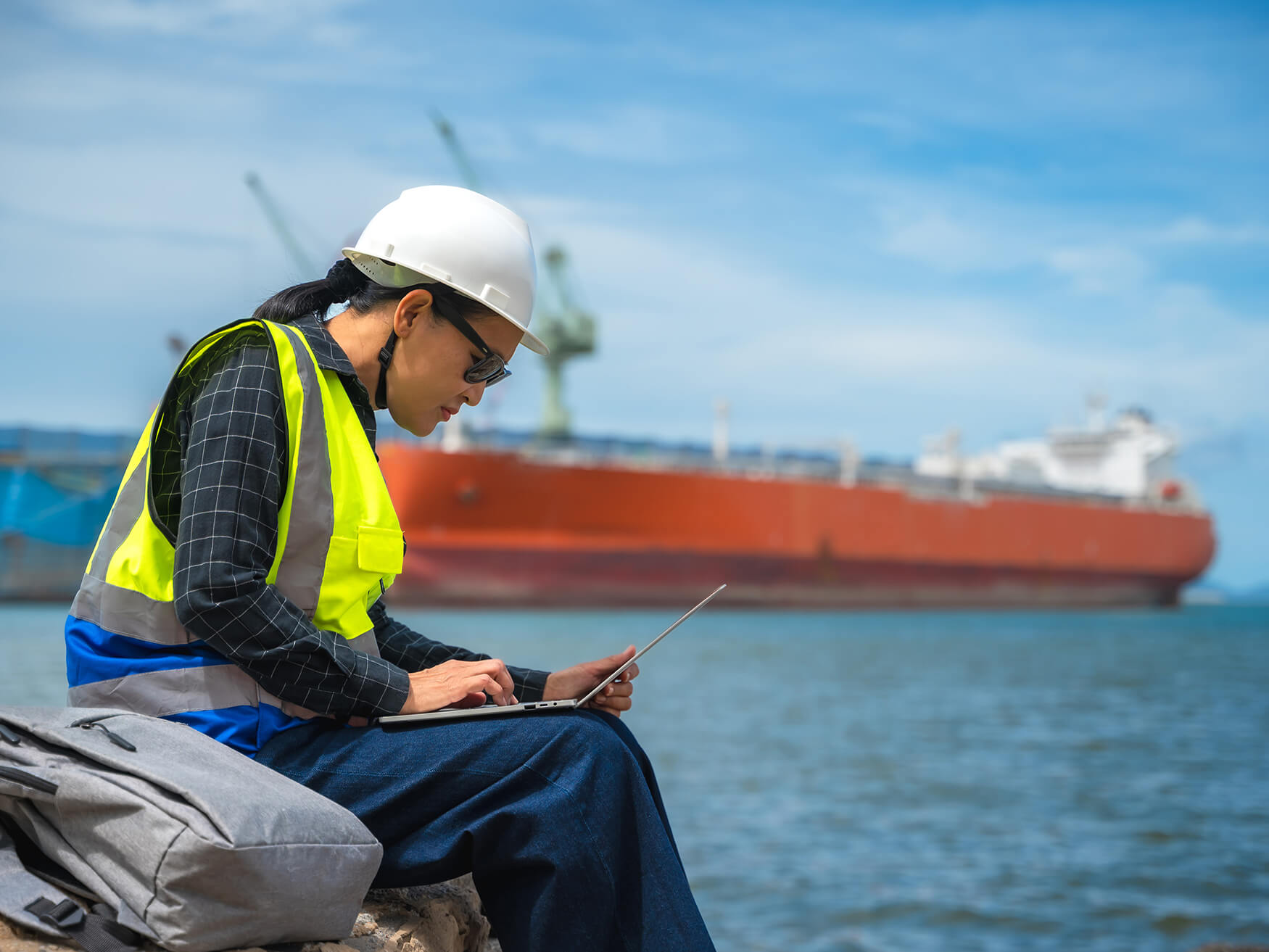
The maritime sector has historically been dominated by men, with women often facing significant challenges to access the industry, particularly in technical key roles, as shown in a recent survey conducted by the IMO.

Recognising these challenges, the SMART-C Women project is determined to promote the inclusion of professional women. By encouraging the recruitment and advancement of women in these positions, the SMART-C project aims to foster a more equitable and diverse workforce, which is essential for achieving broader industry goals, innovation and growth, as well as aligning with the UN Sustainable Development Goal 5 on gender equality.

Key Activities

  • Online and on-site trainings on green technologies and digitalization
  • Formal education supported through fellowships
  • Global networking for women through international information sharing activity
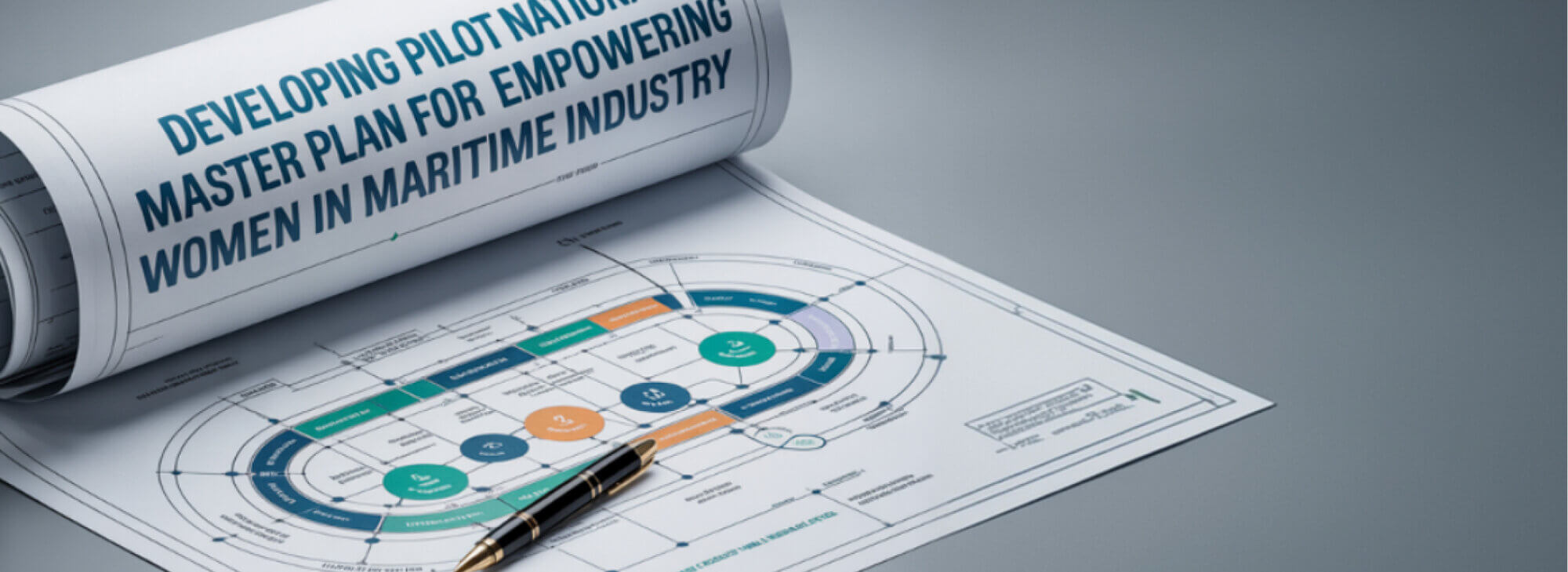
  • Development of national master plans for maritime women empowerment

Project Coordination Unit

Yeongjoo Baek

Project Manager

Raghav Viswanathan

Project Assistant

Einas Ron Ng

Junior Professional Officer

Progress Report

2024-2025
Since its launch, the SMART-C Women Project has delivered tangible outcomes across its 4 core pillars: Training, Formal Education, Global Networking, and national Master Plan development.

Capacity Built through Training (Online & Field)
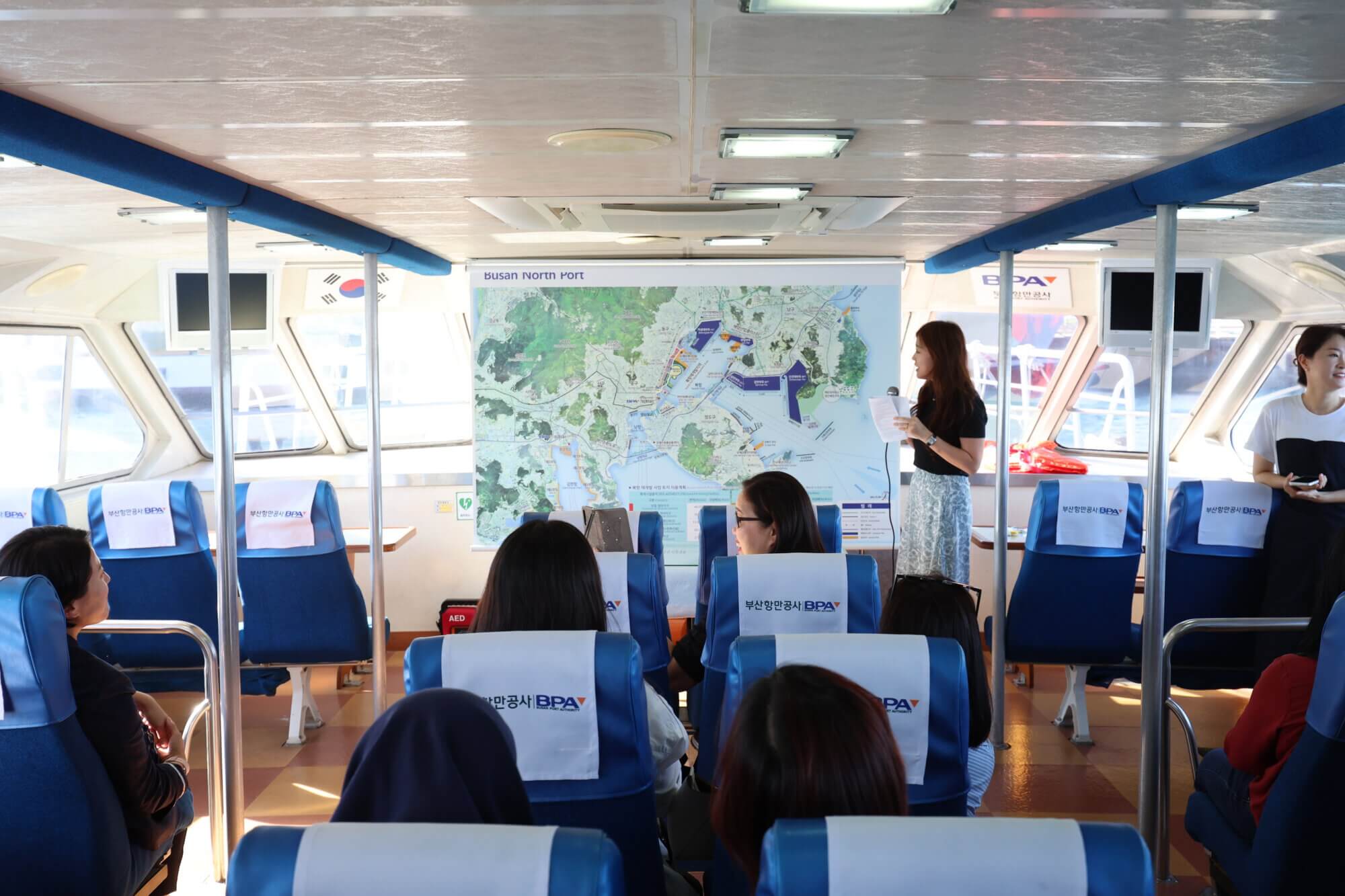
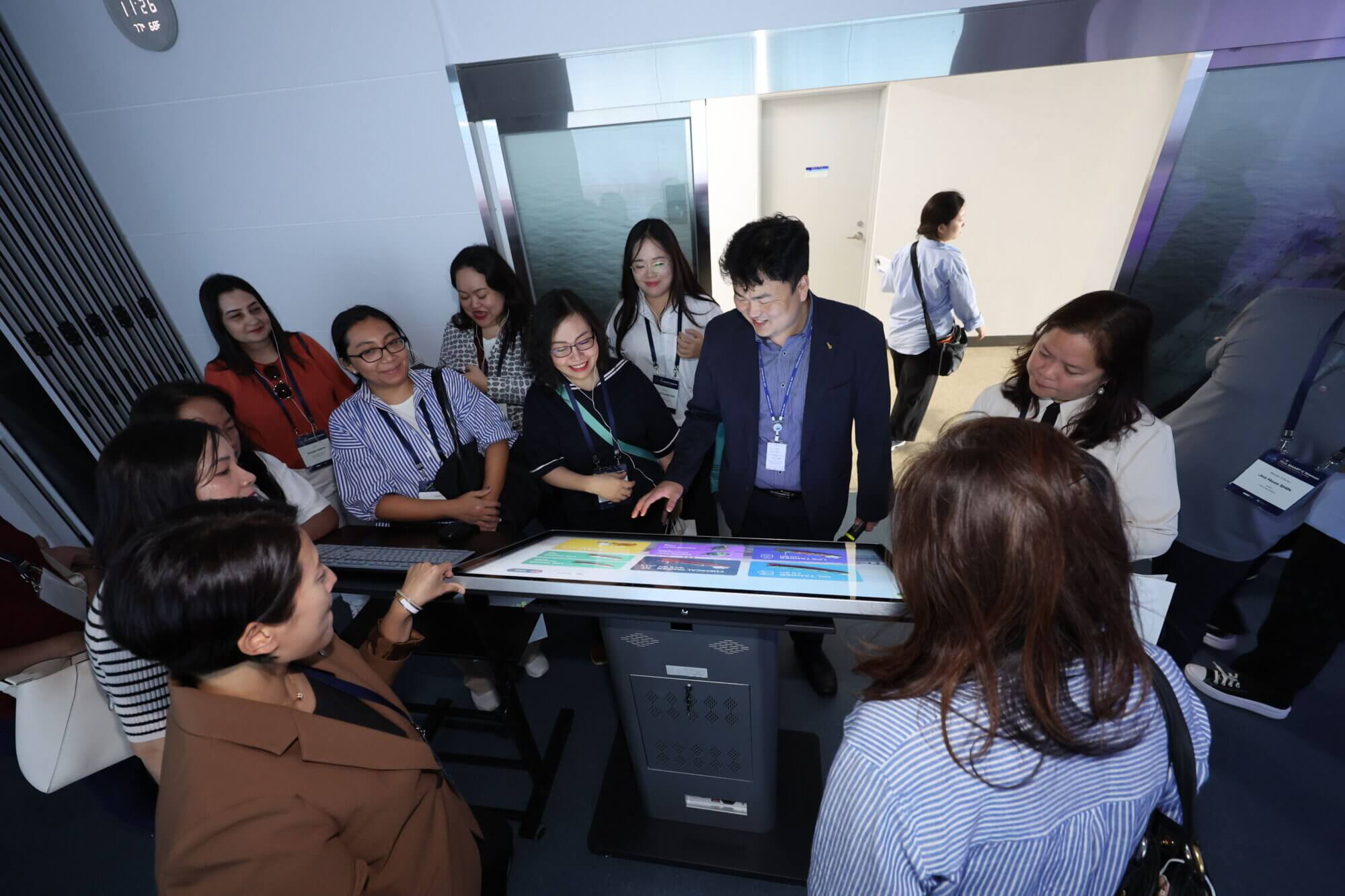
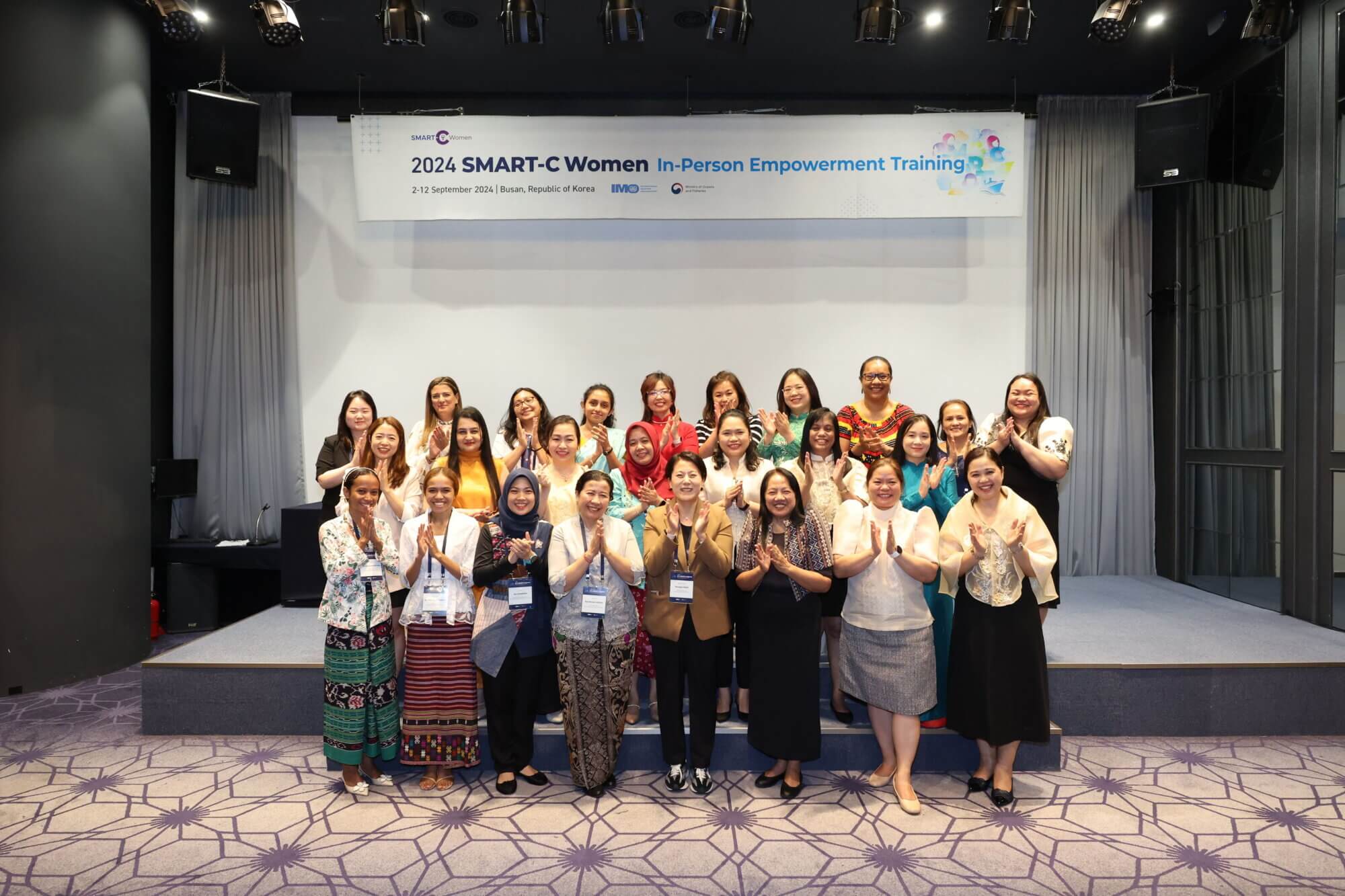
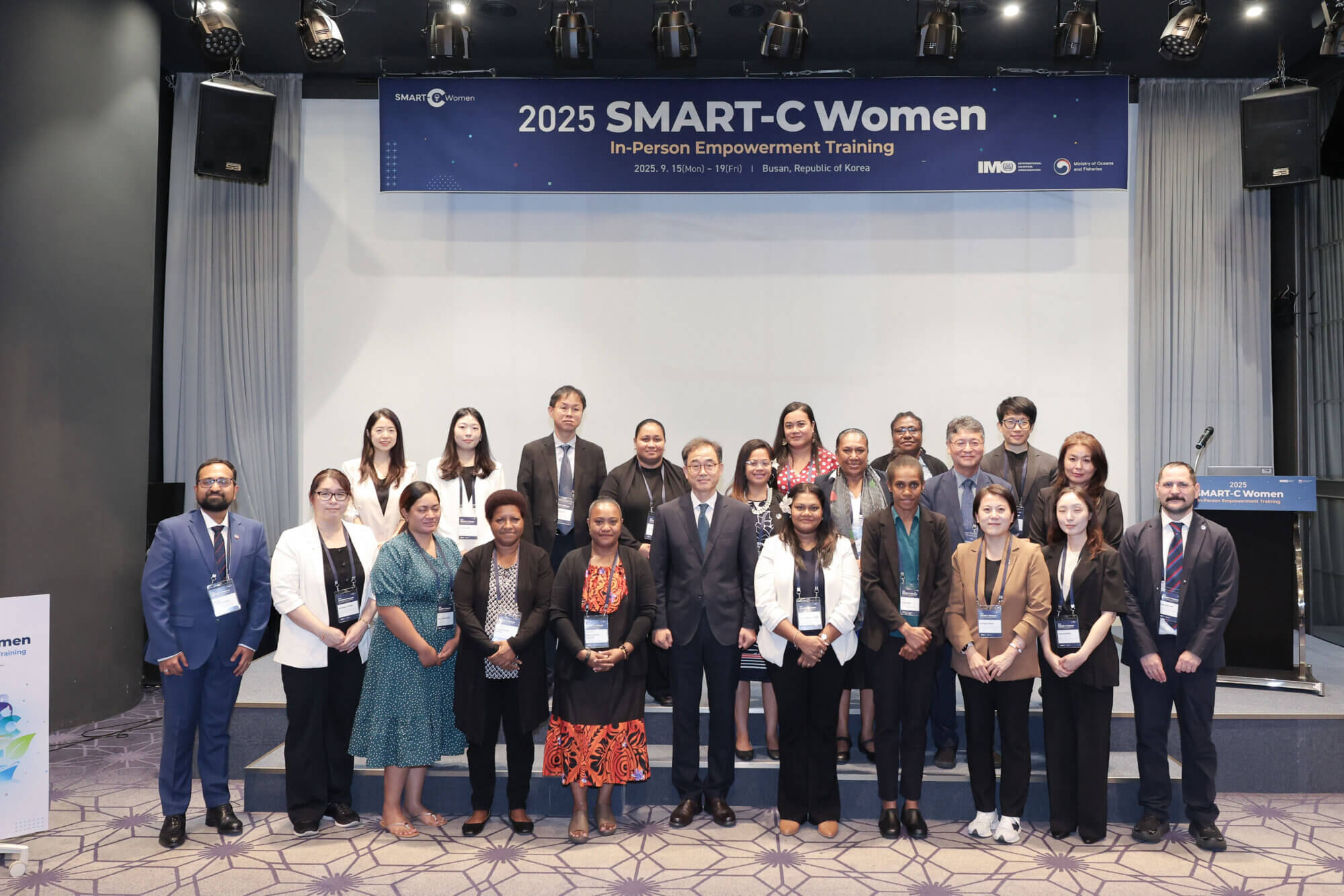
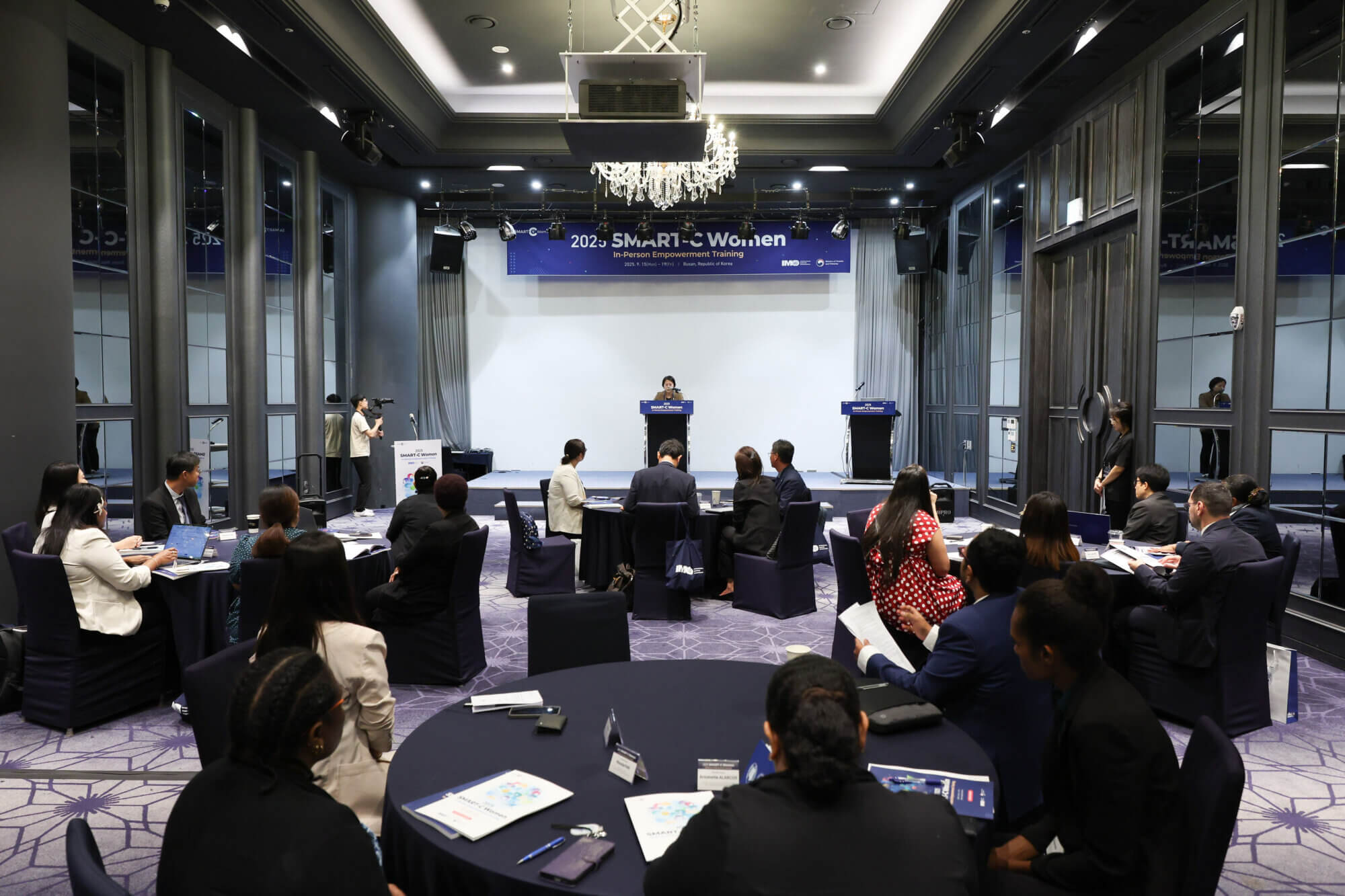
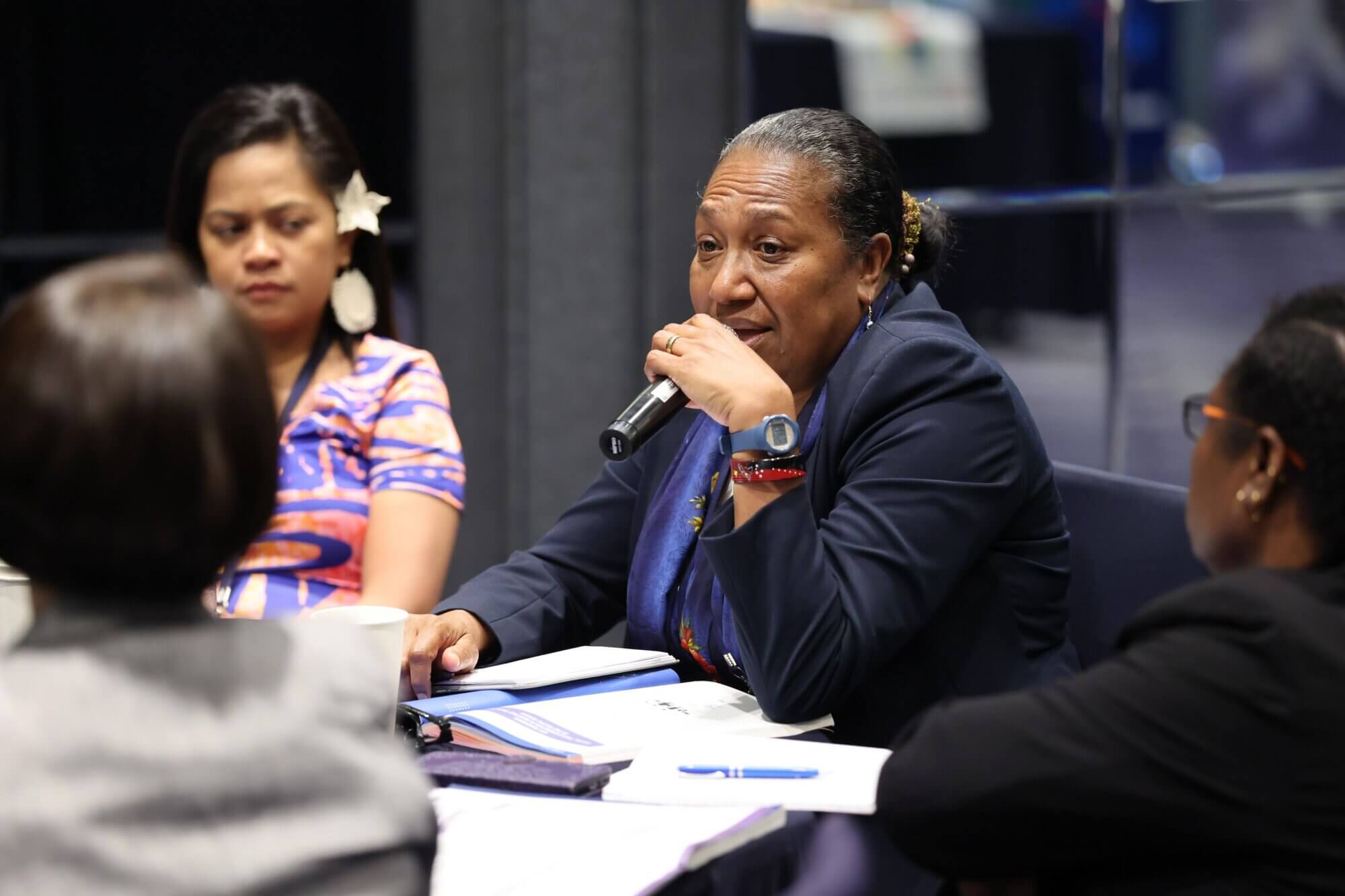
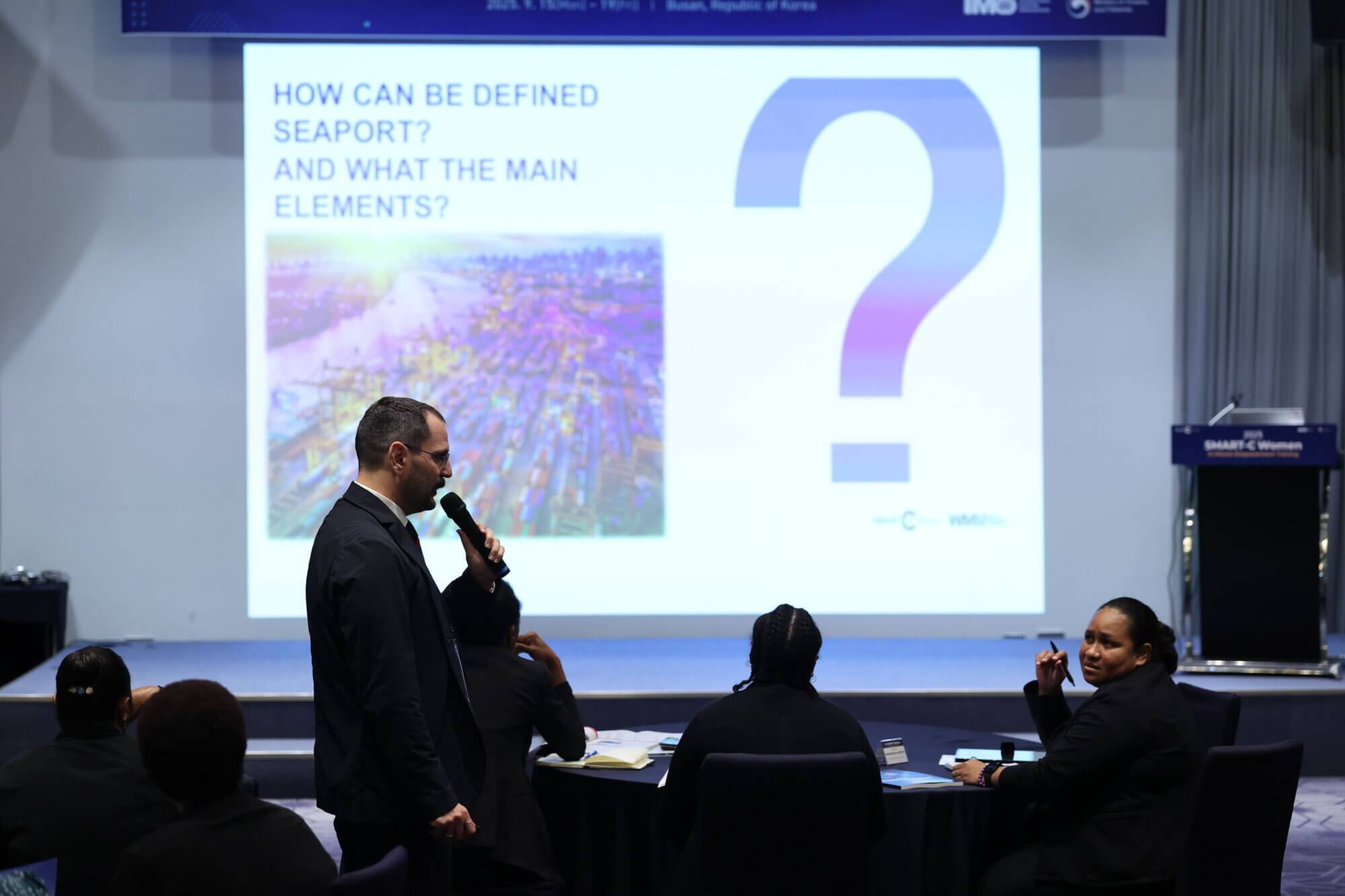
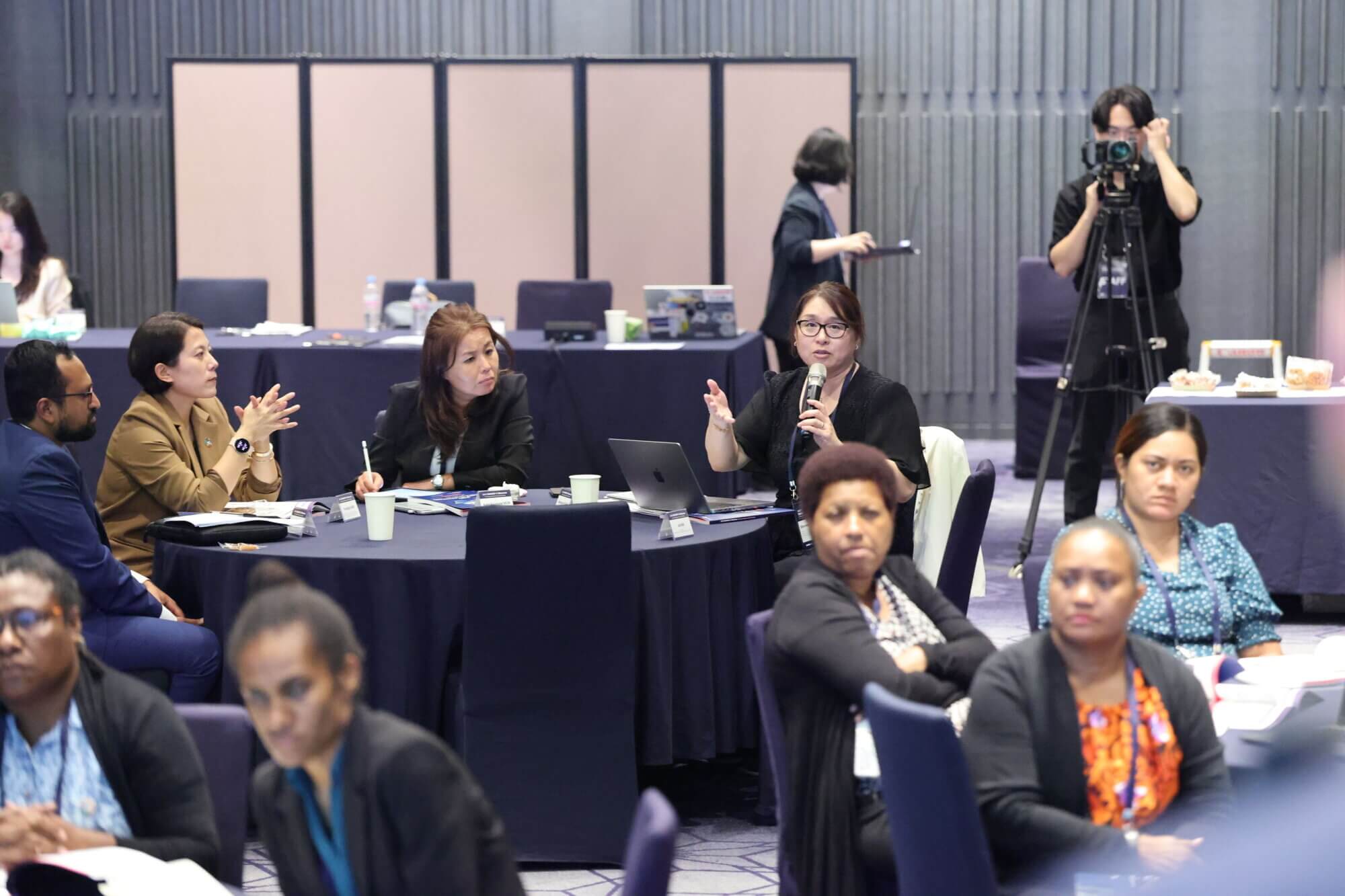
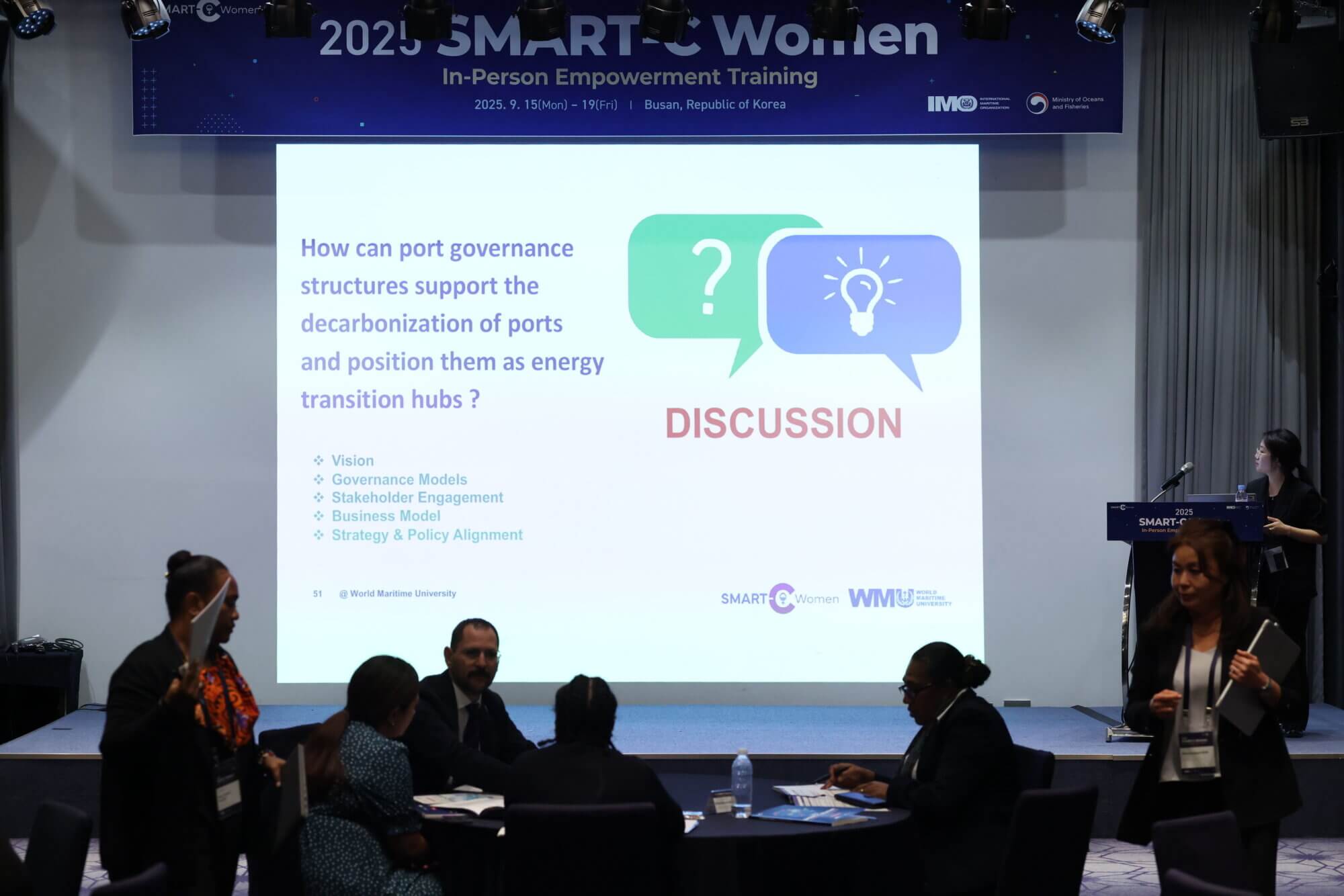
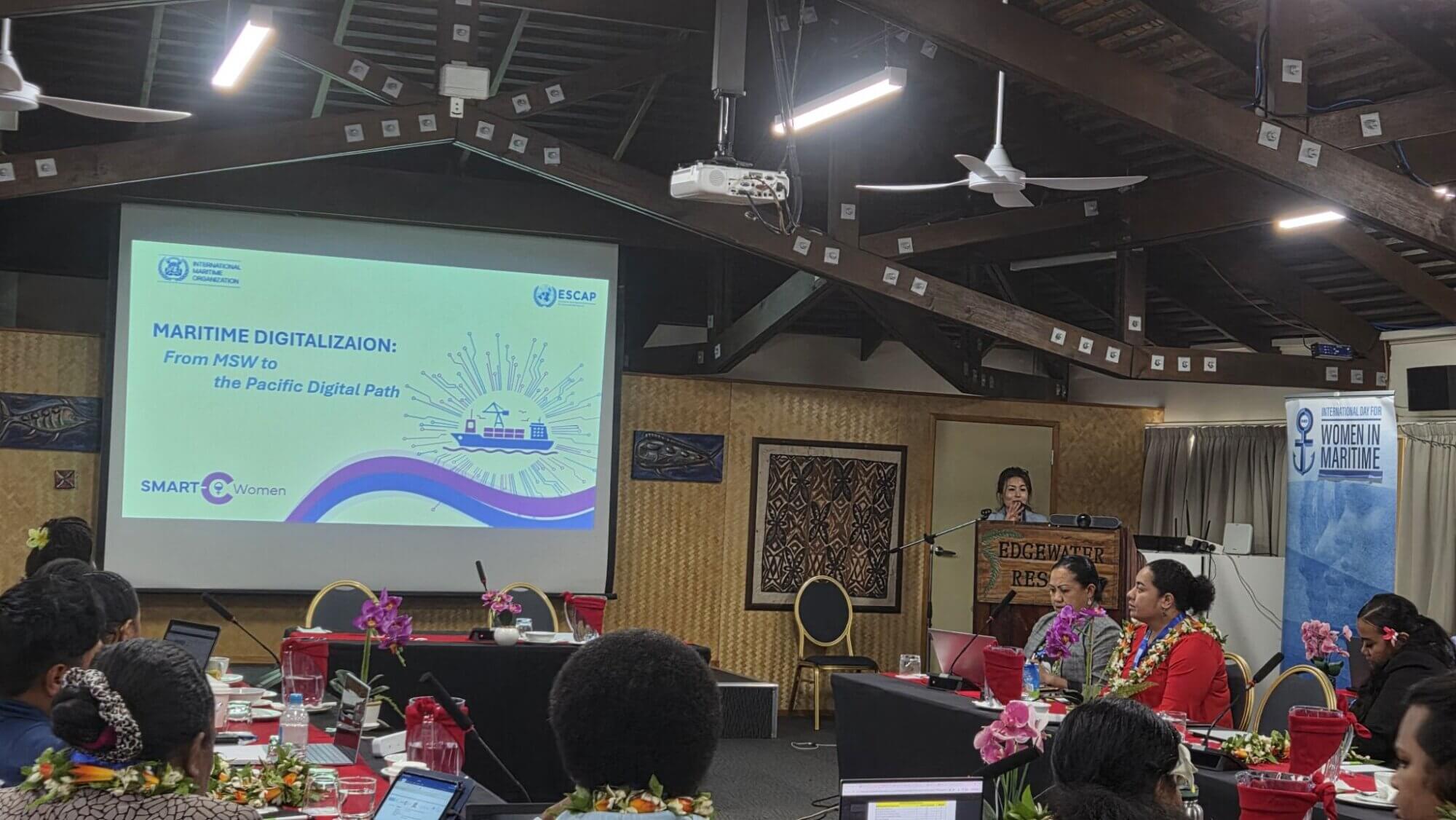
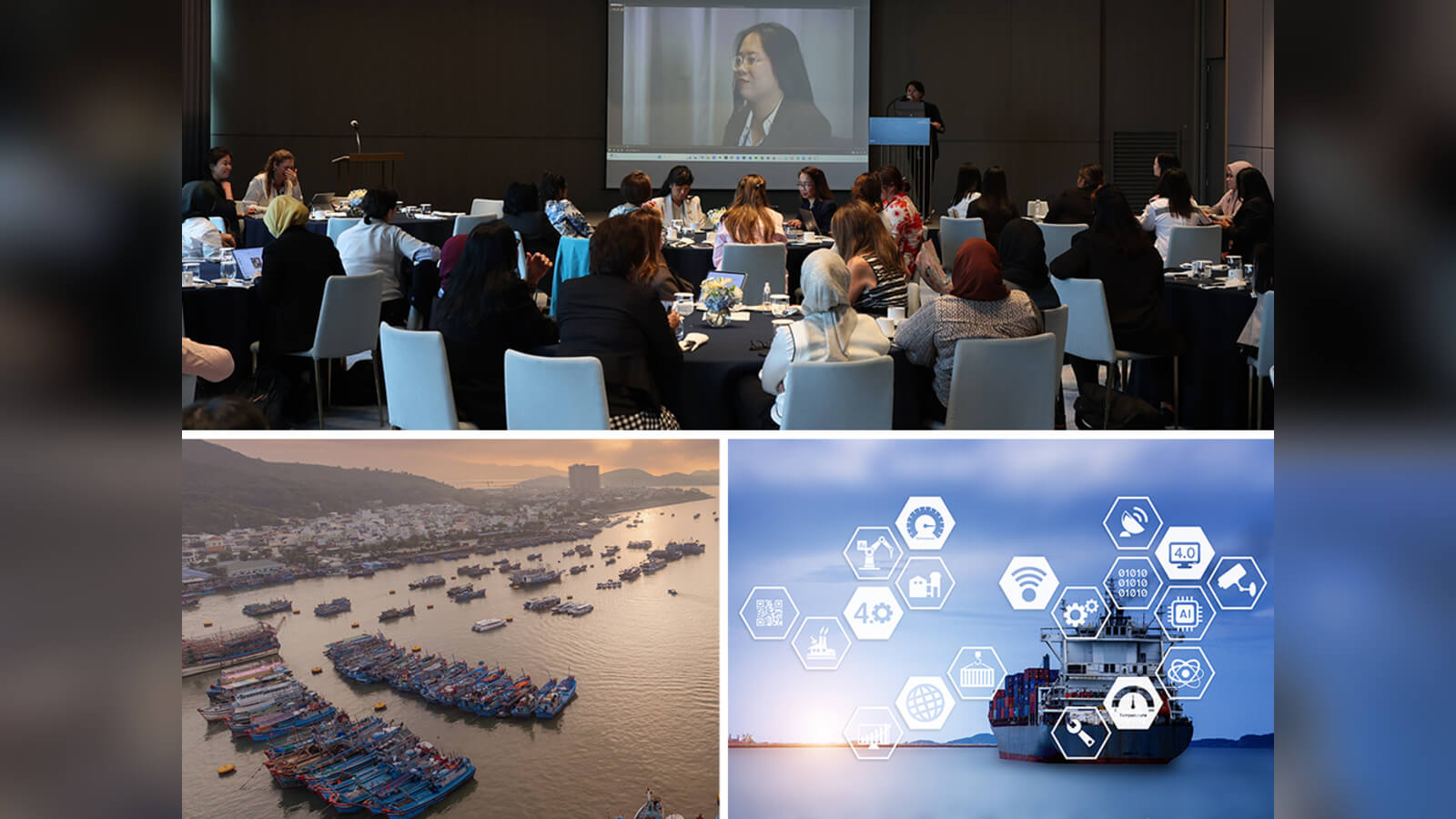
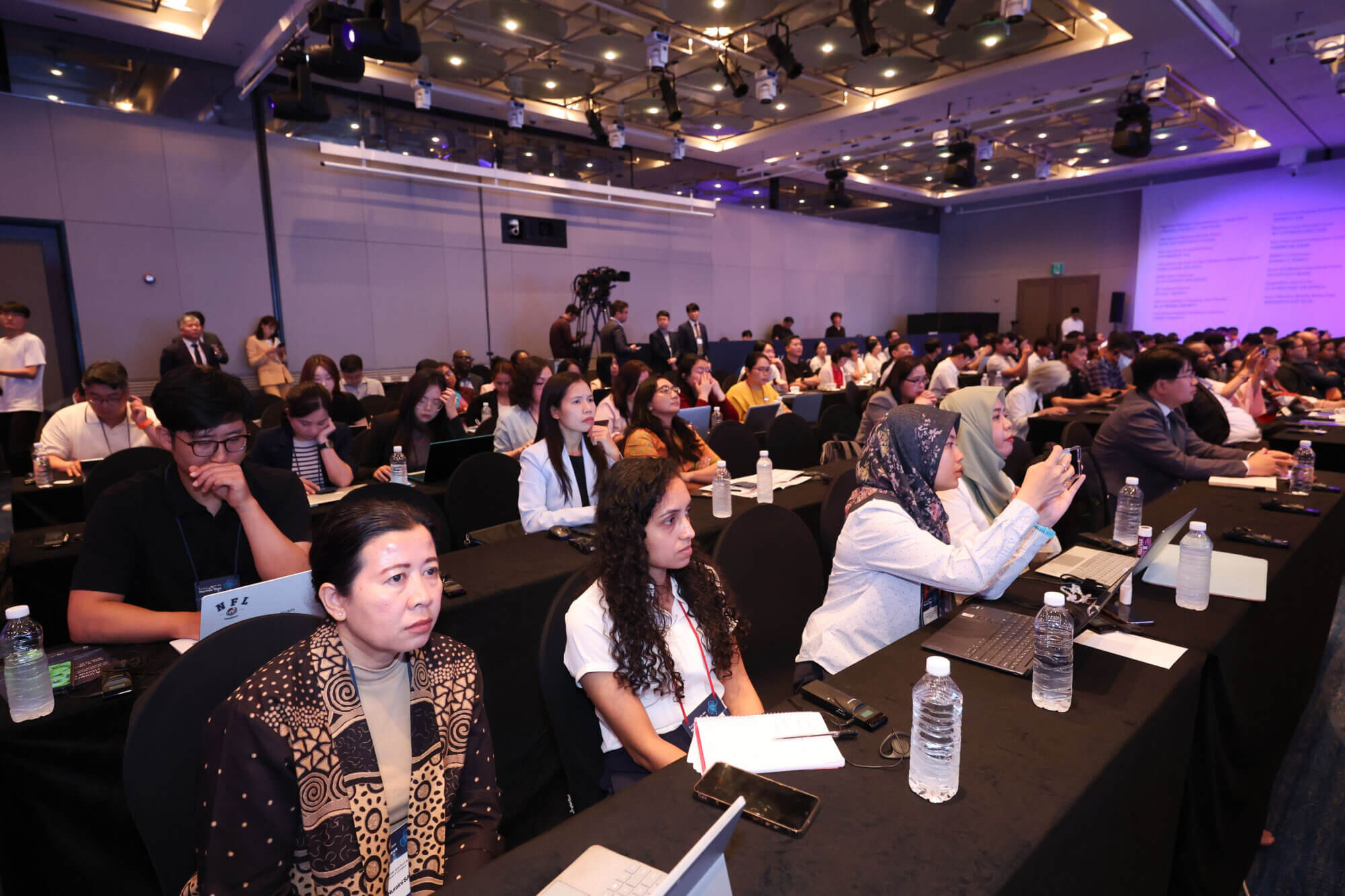
In 2024 and 2025, two sets of regional training activities were delivered across Asia and the Pacific SIDS, combining intensive online learning with in-person training and field visits.
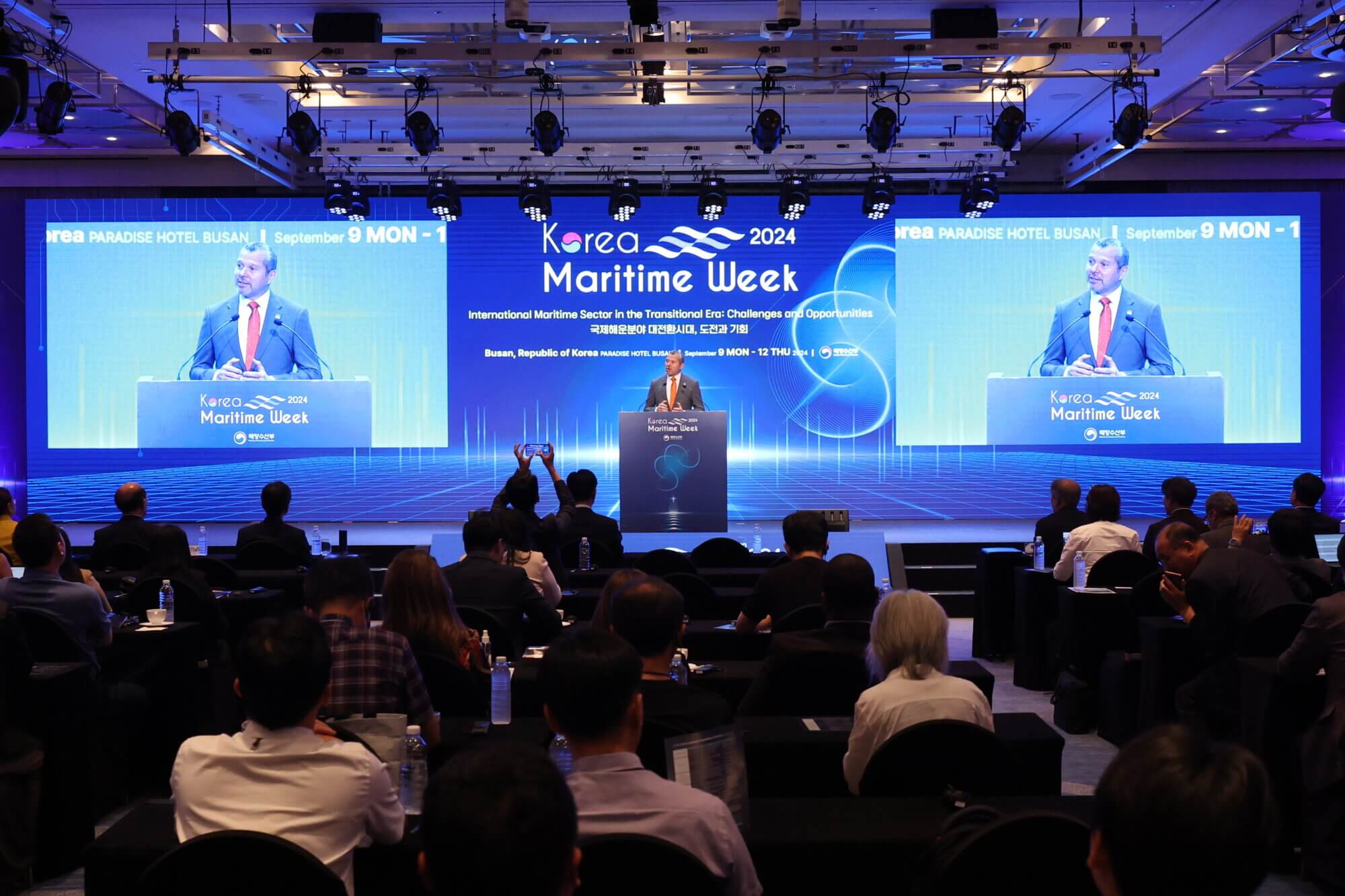
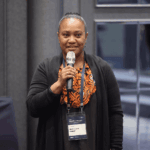
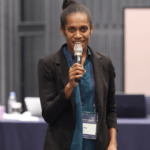
Across both regions, 42 women maritime professionals participated in online training and 28 in-person, at executive and managerial levels, enhancing their expertise in green technologies, maritime digitalization, and women empowerment.

Further details:

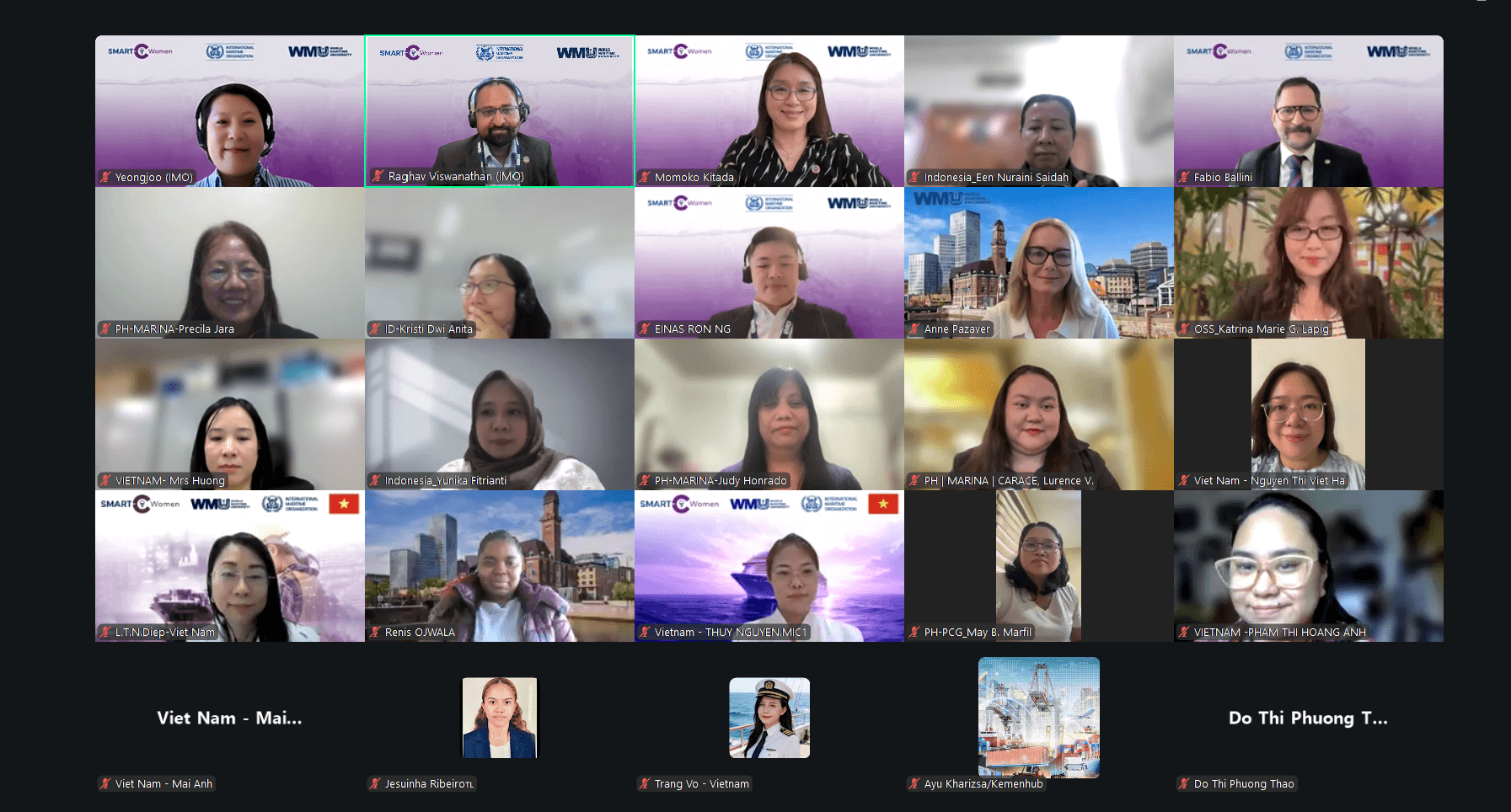
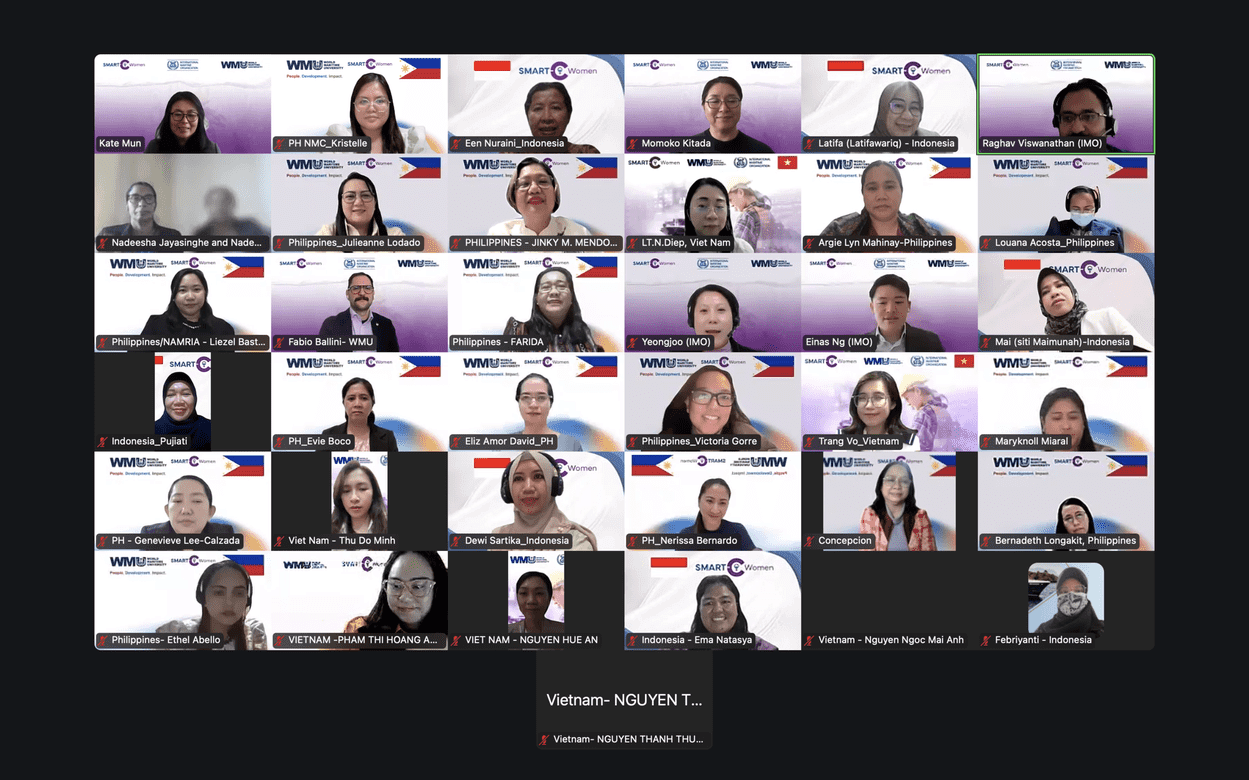
  • 10-day online training sessions for 23 participants in the Asia Region (6 Executive, 17 Managerial) on 17-21 June and 1-5 July 2024.
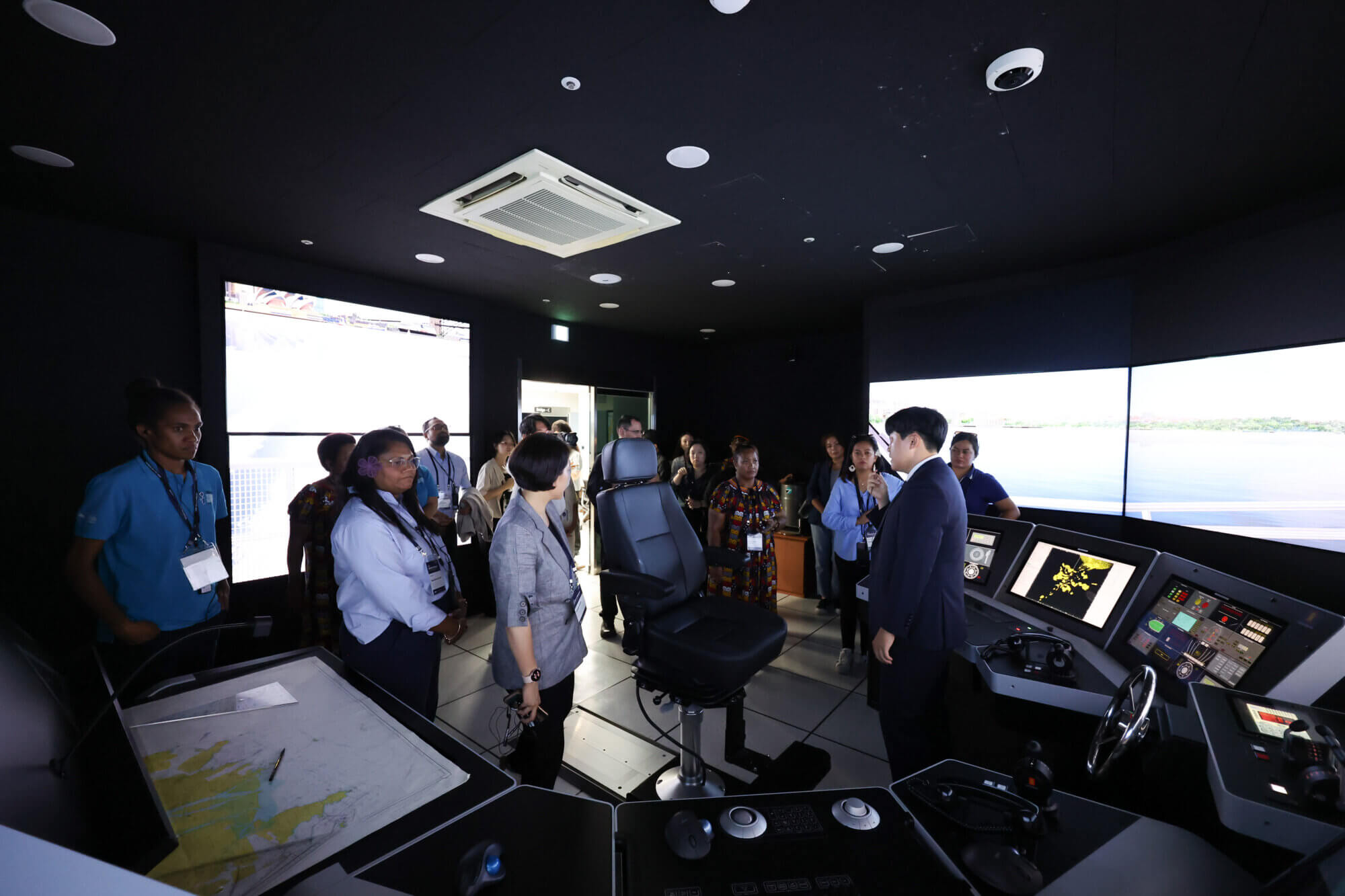
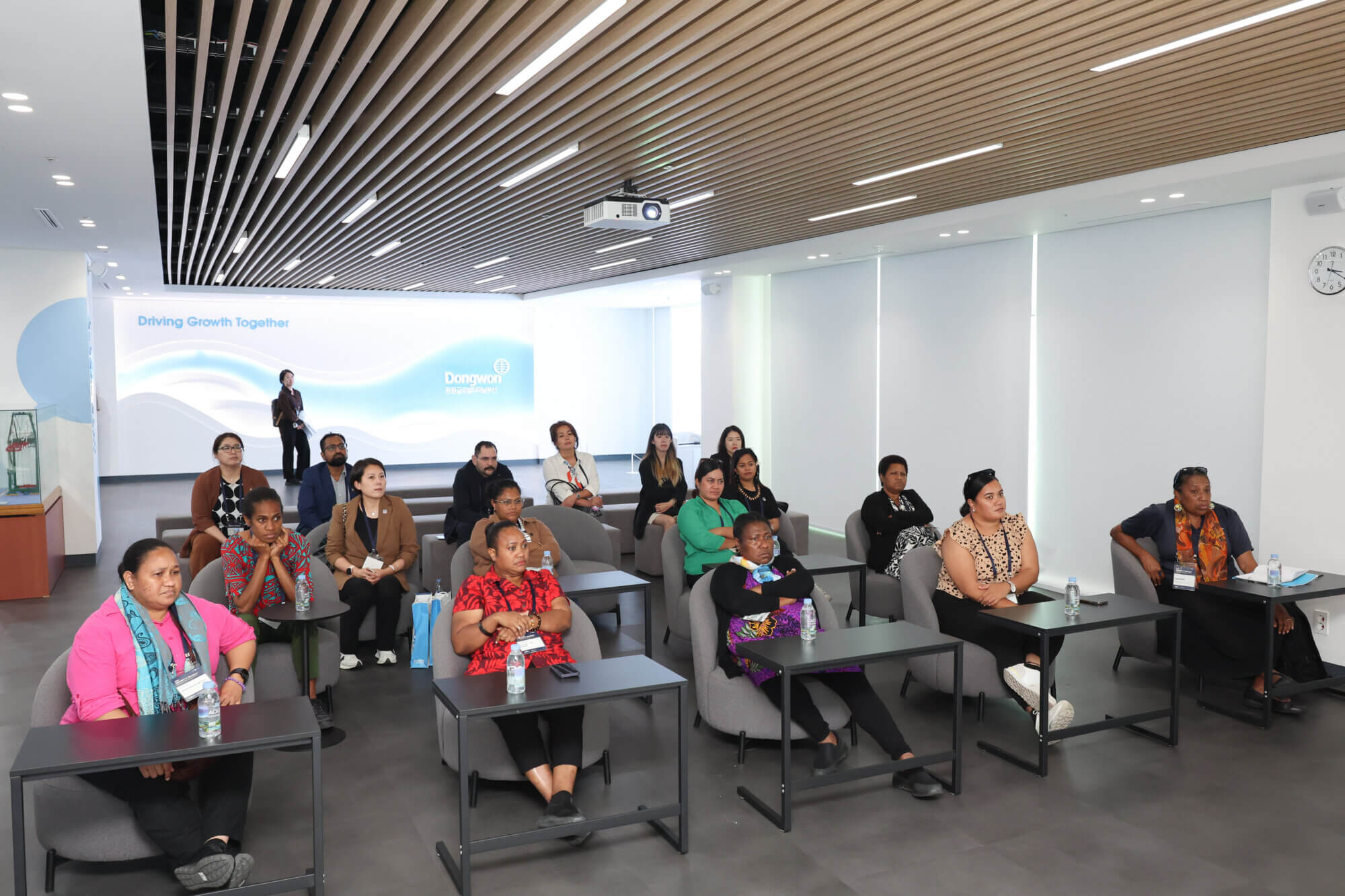
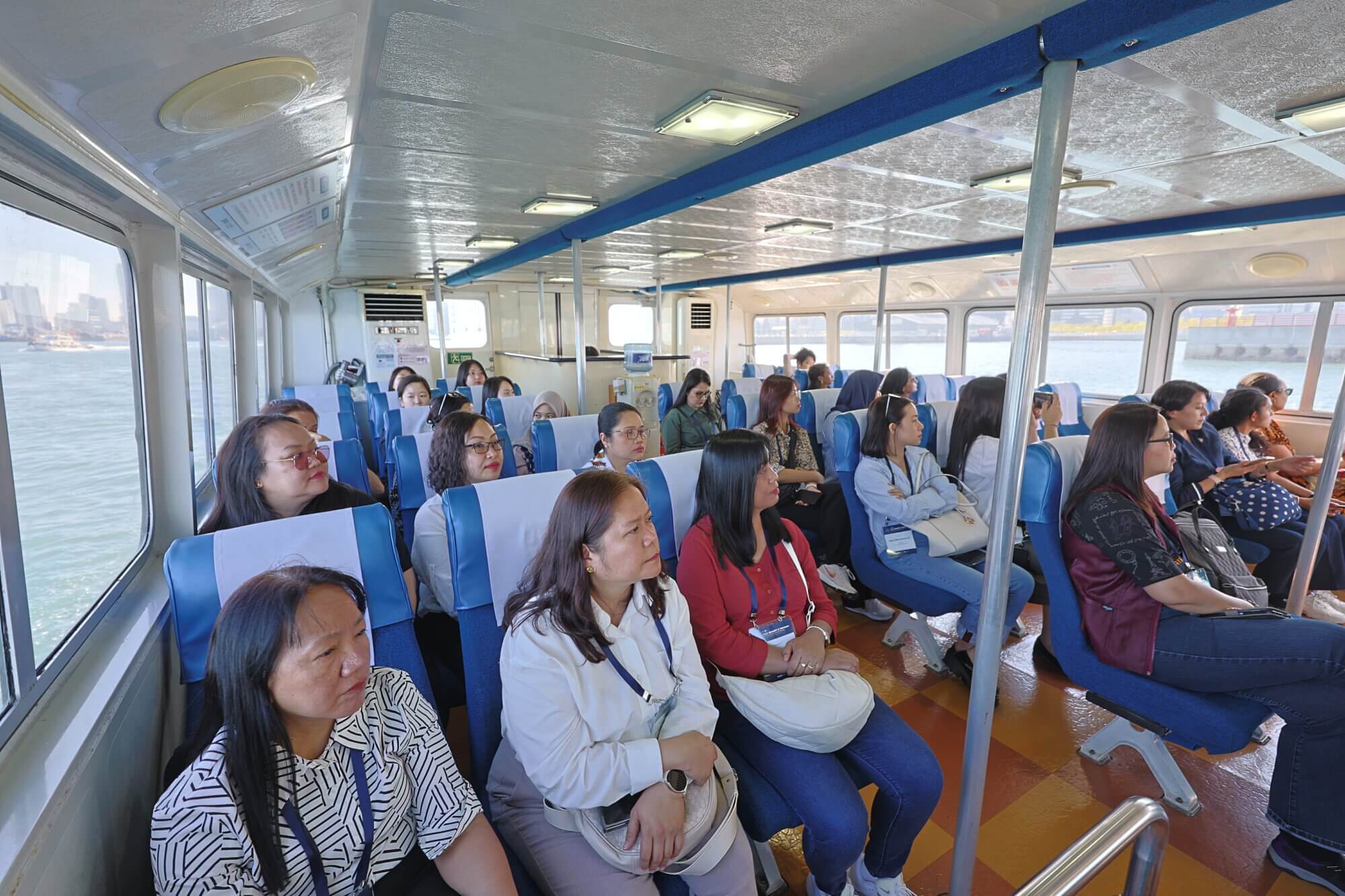
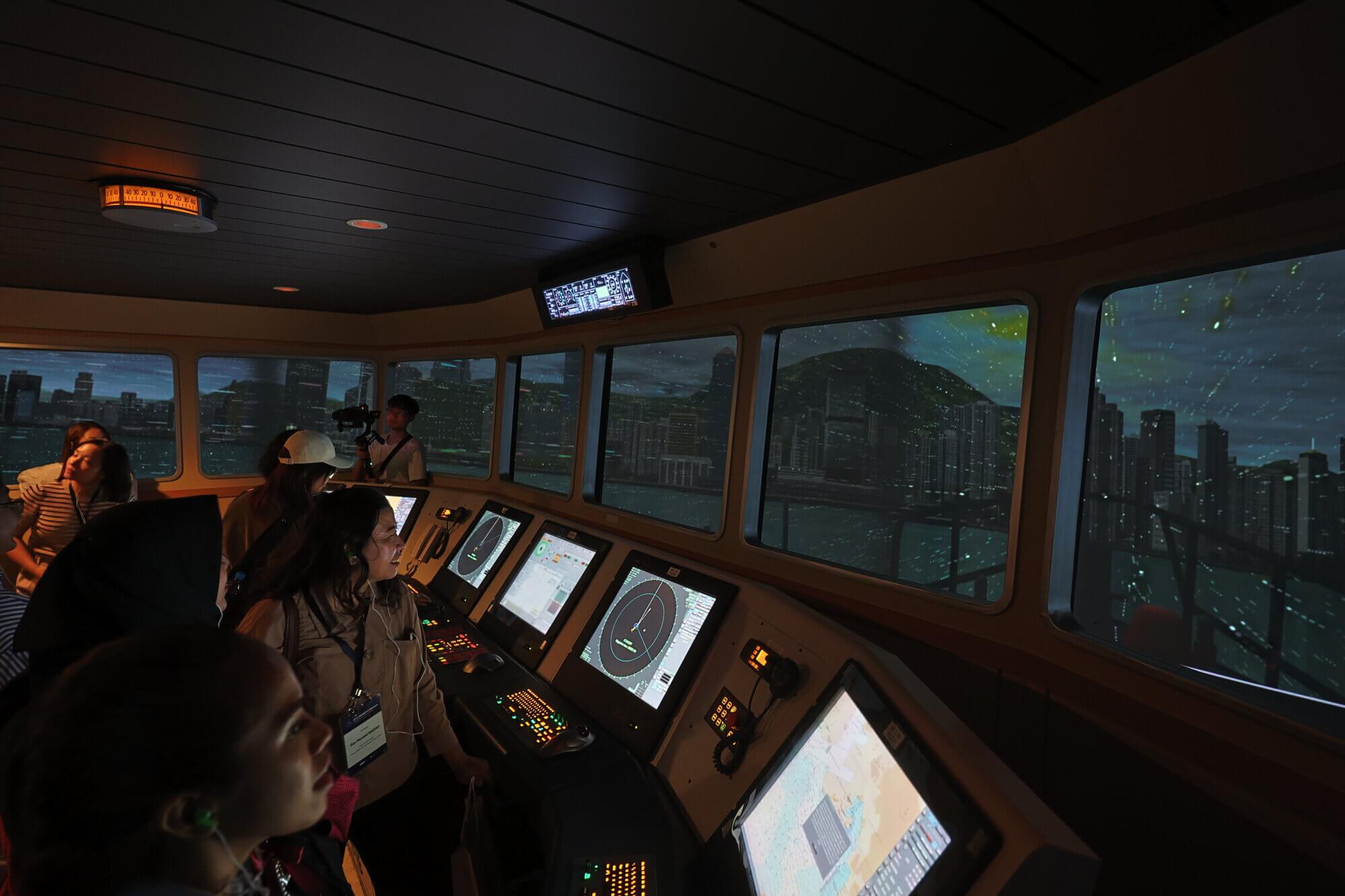
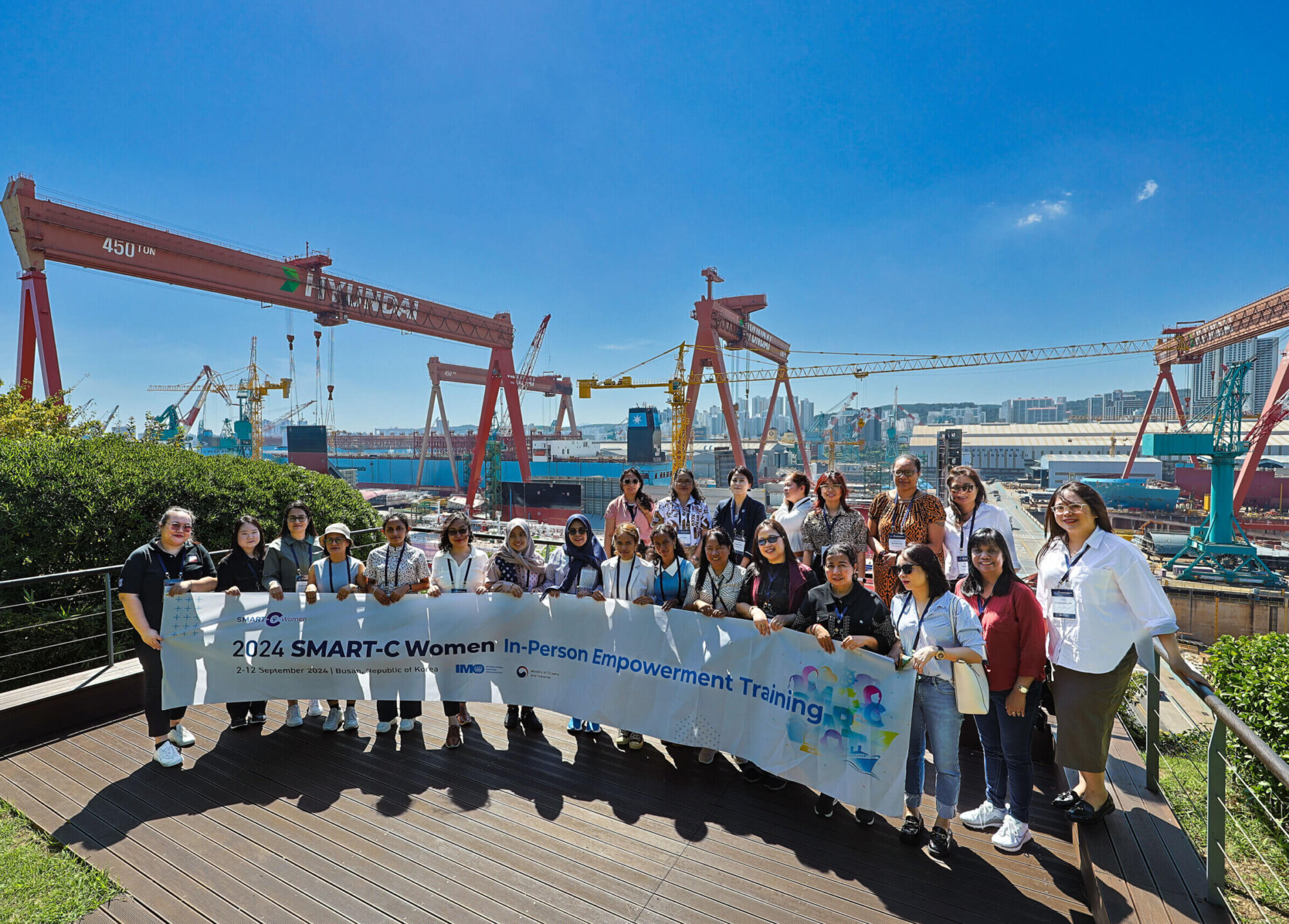
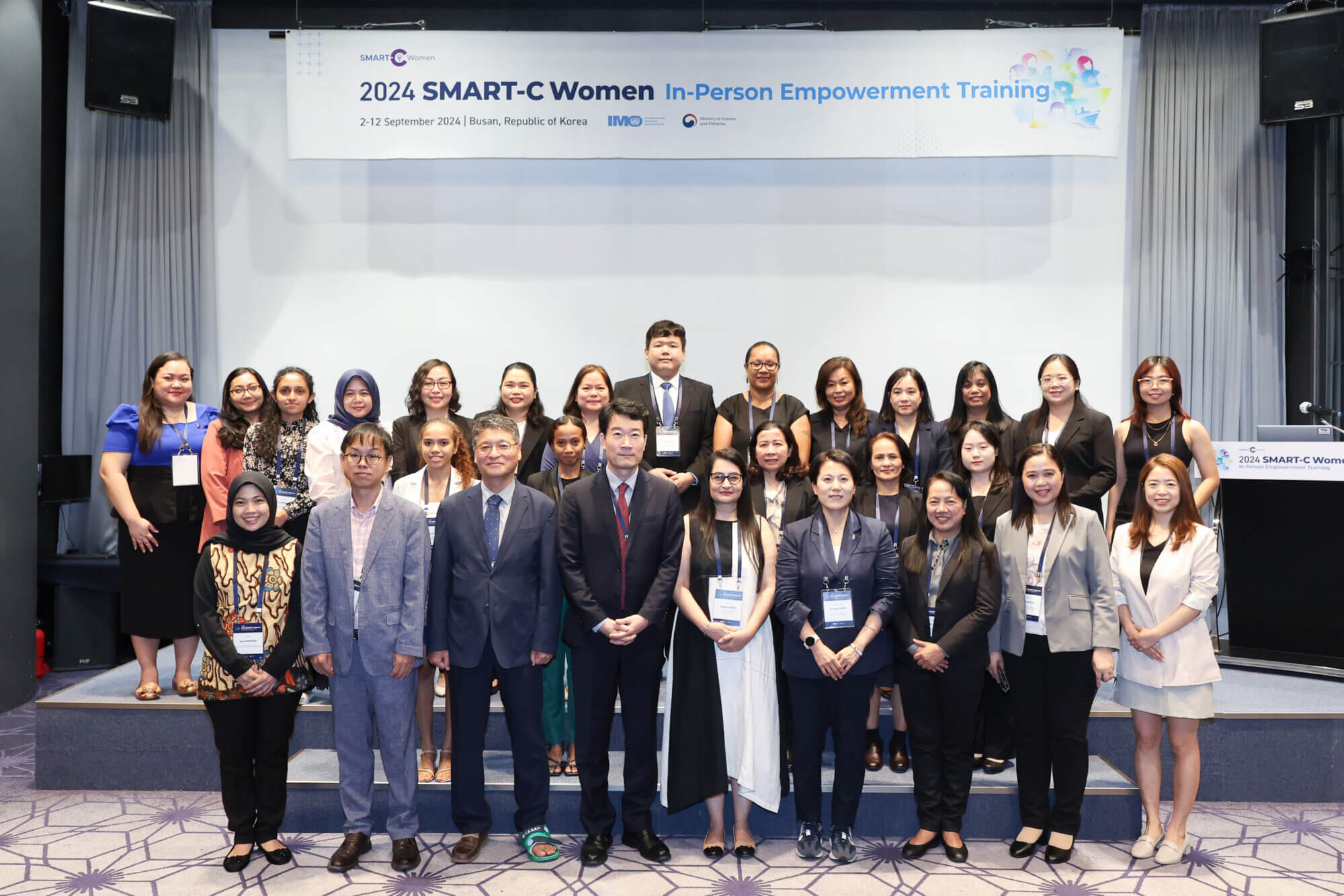
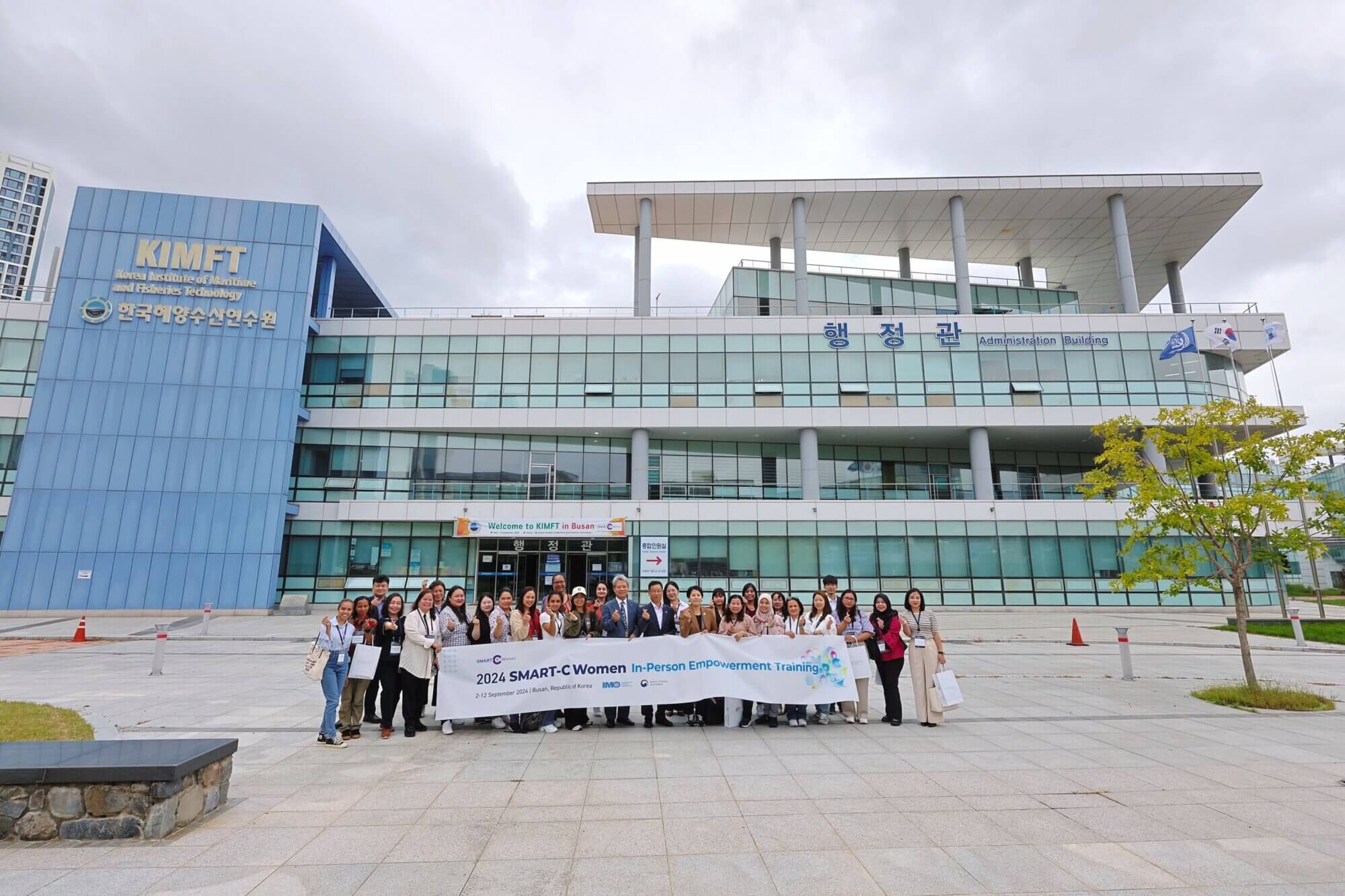
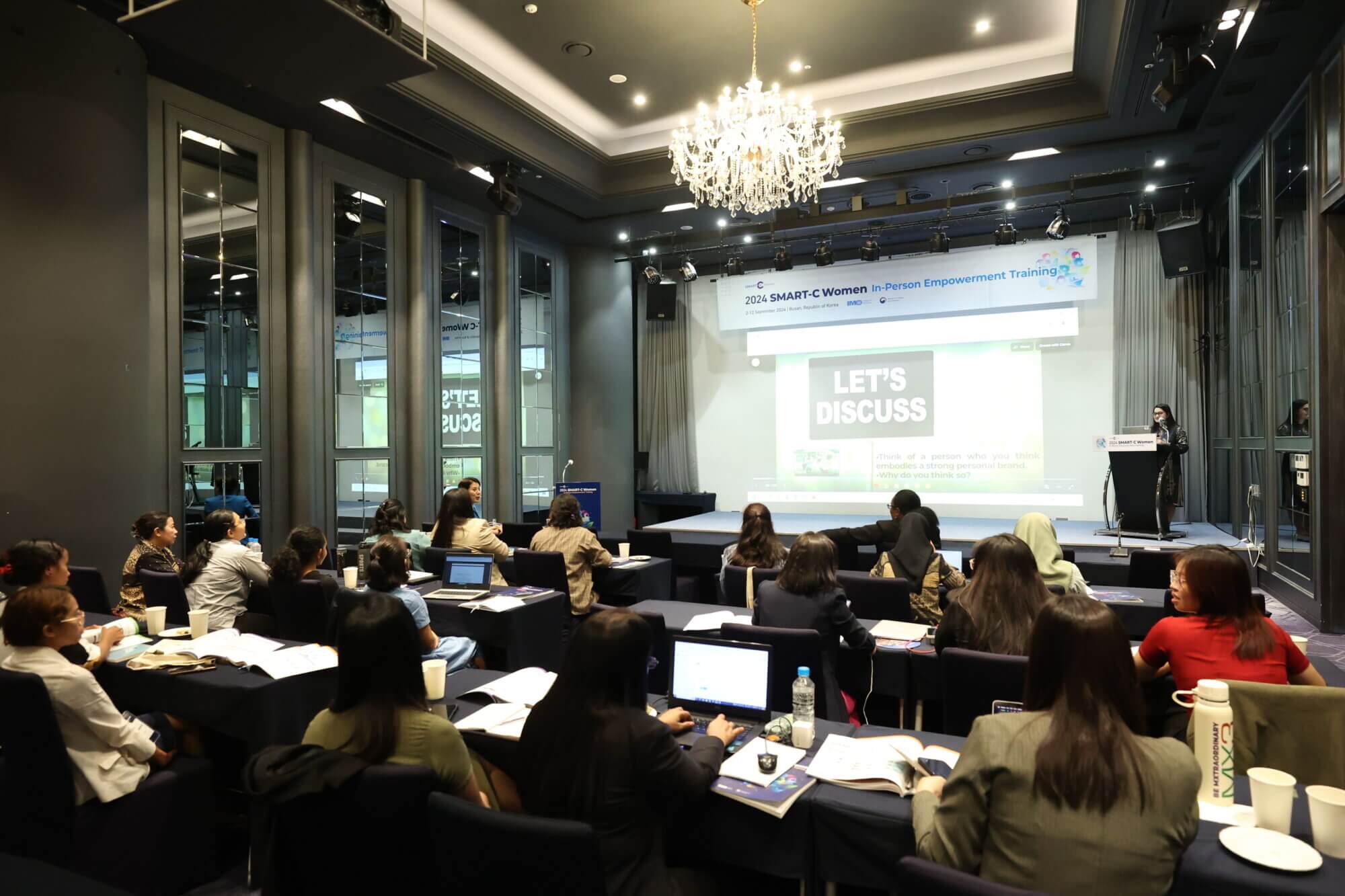
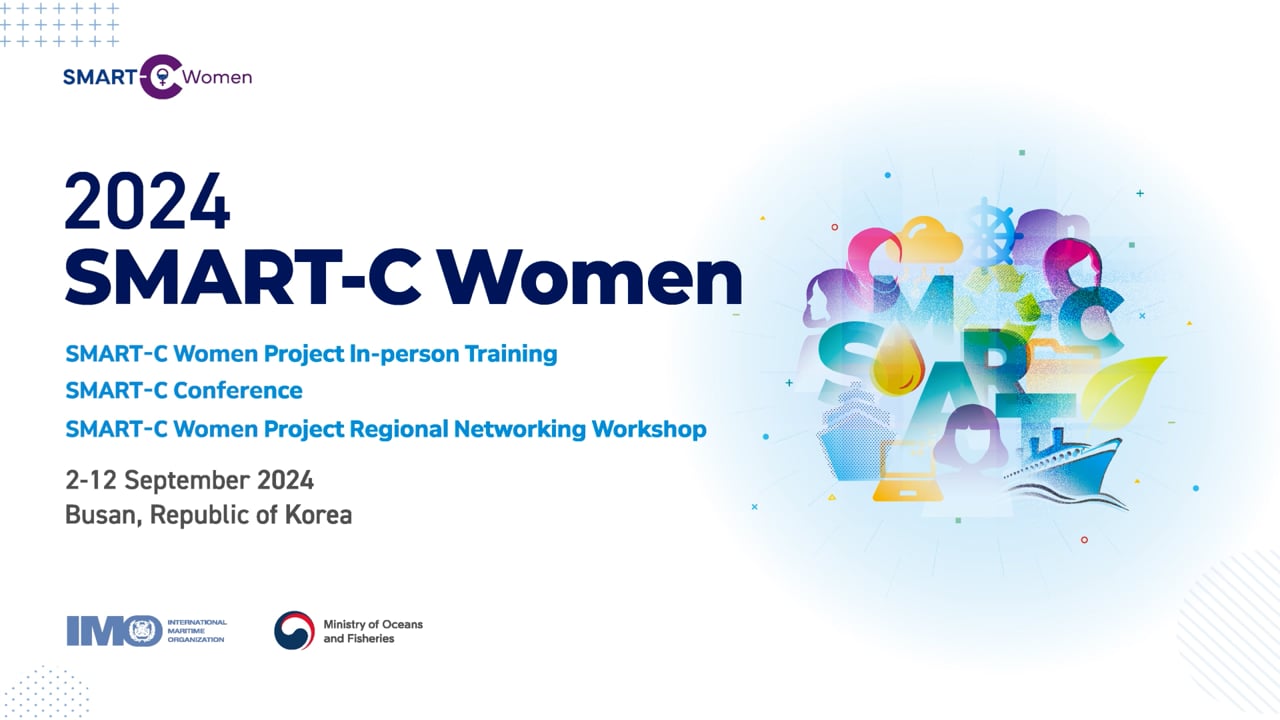
  • 5-day in-person training including field visits for 18 participants in the Asia region (5 Executive, 13 Managerial) on 2-6 September 2024.
  • 10-day online training sessions for 19 participants in the Pacific region (7 Executive, 12 Managerial) on 3-7 and 17-21 March 2025.
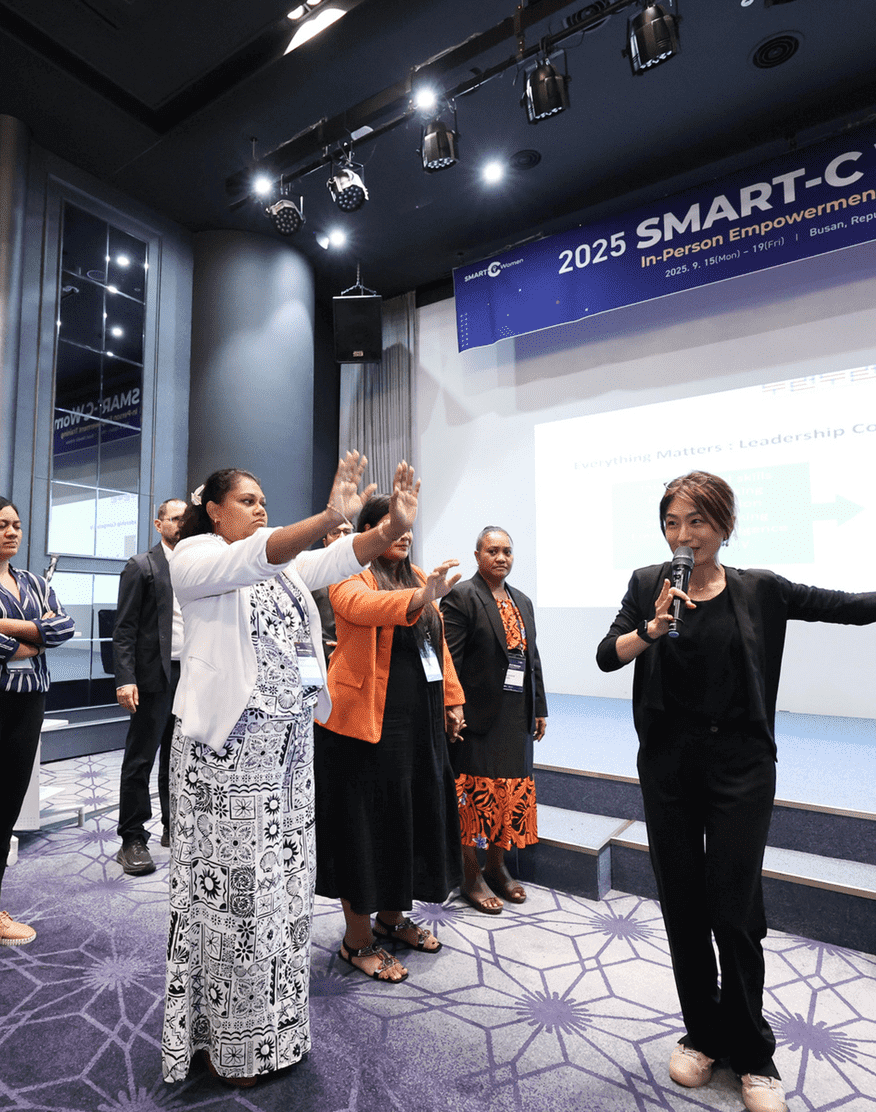
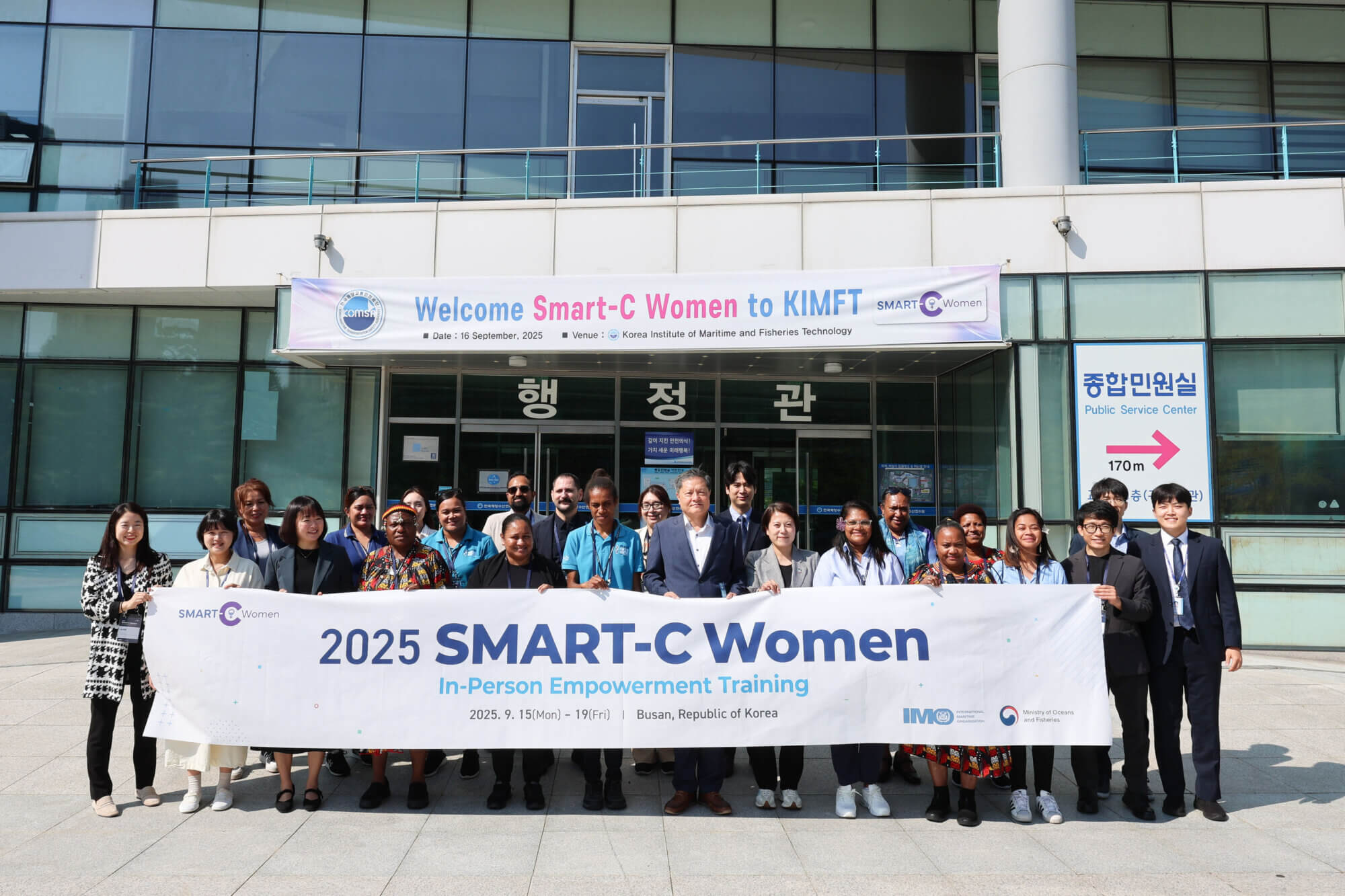
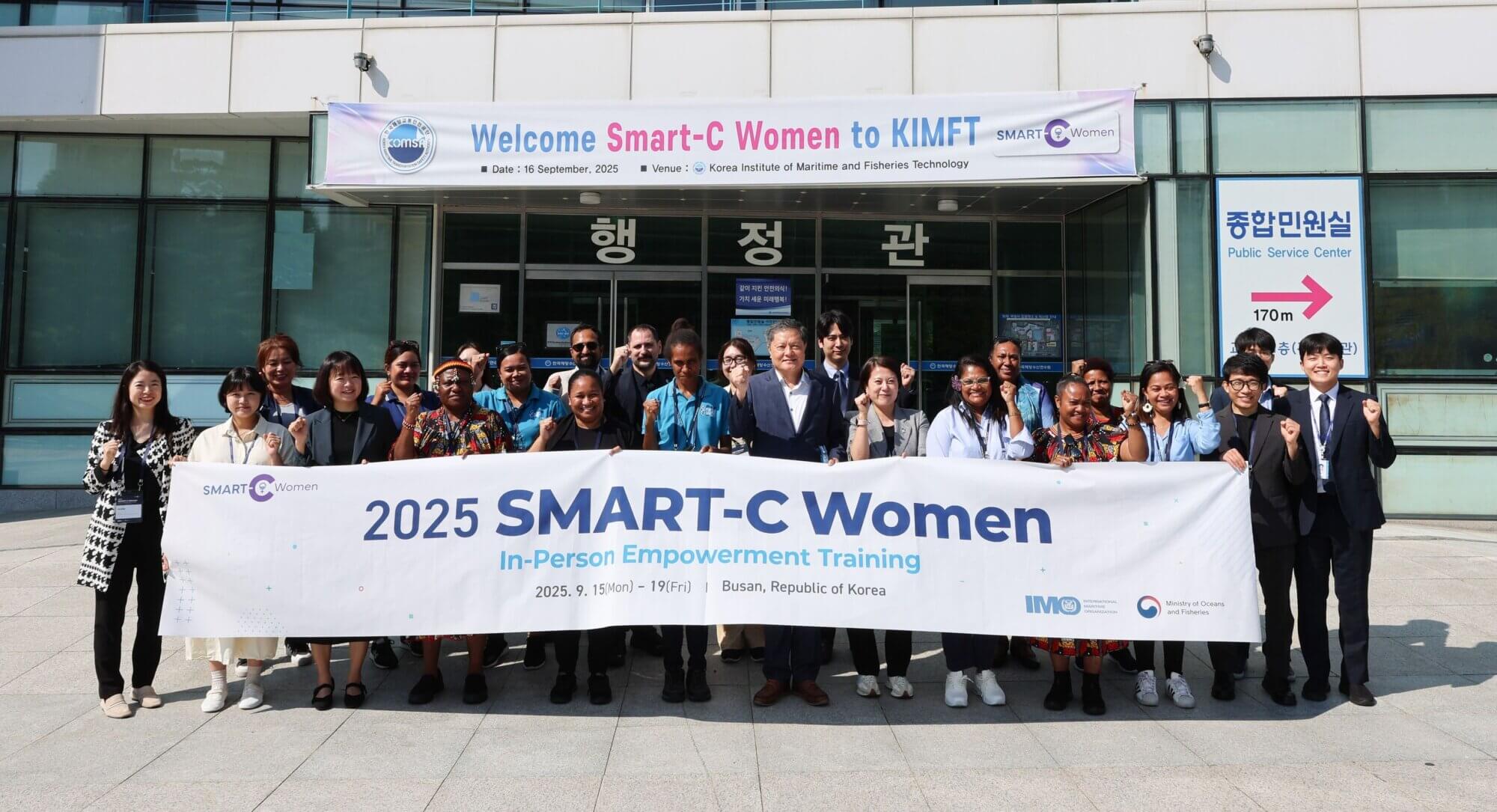
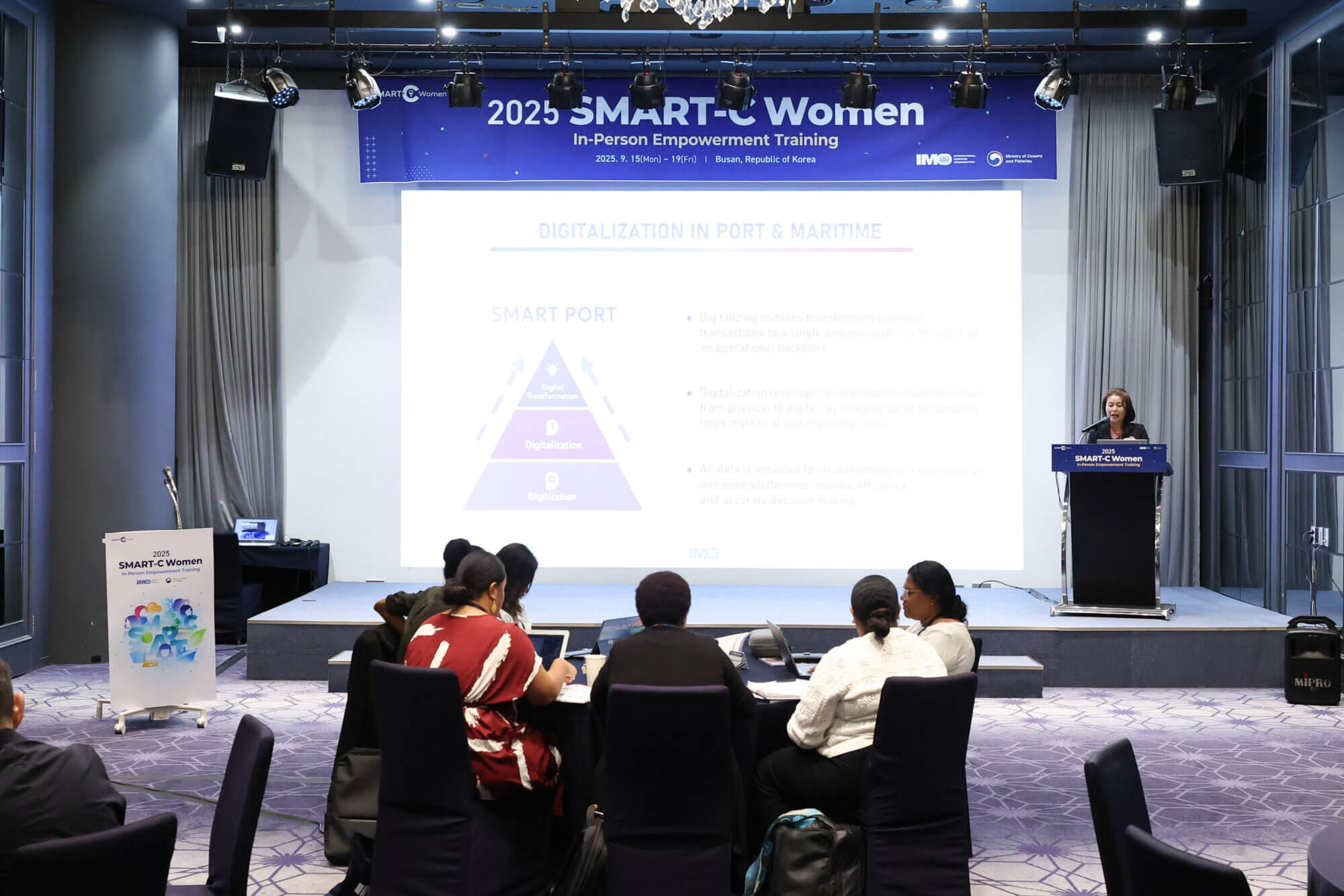
  • 5-day in-person training, including field visits for 10 participants in the Pacific region (6 Executive, 4 Managerial) on 15-19 September 2025.

The structured approach combines online technical modules with applied in-person exposure, strengthening both technical expertise and regional collaboration among participants.
Formal Education for Women Supported through Fellowships
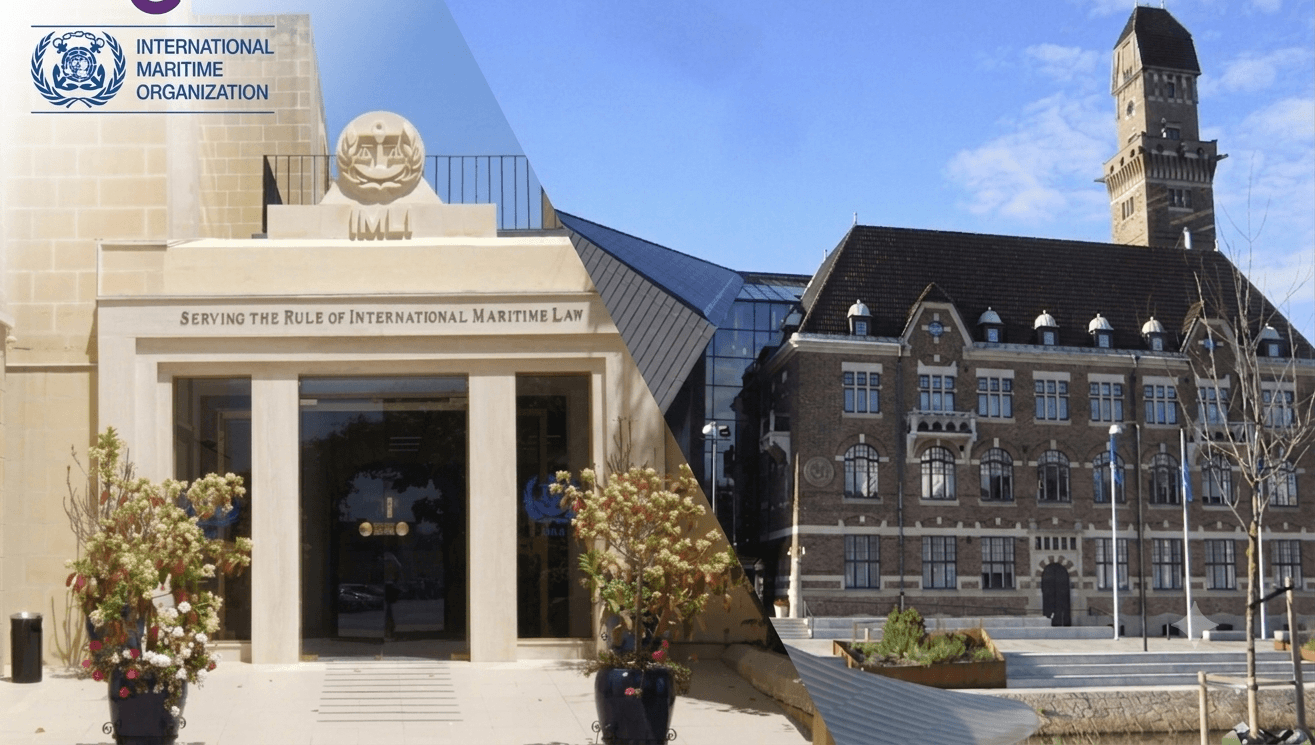
Through partnerships with leading maritime academic institutions, such as the World Maritime University (WMU) and the International Maritime Law Institute (IMLI), the project supports advanced education for women maritime professionals, long-term leadership development, and contributes to institutional gender balance within maritime administrations.
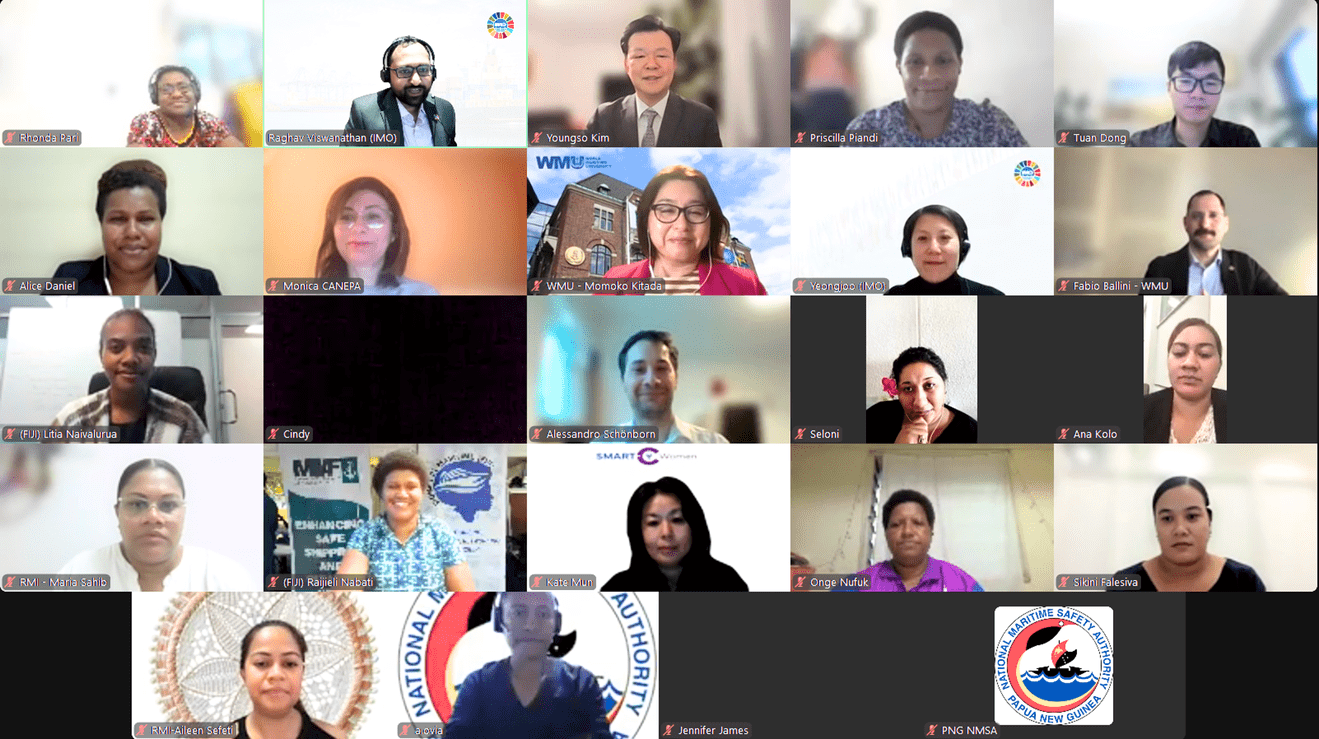
As of 2025, four out of the six planned fellowships have been awarded. One SMART-C Women training alumna has commenced her master’s studies at WMU in the Academic Year 2025-2026, with three additional fellows scheduled to begin in 2026-2027. These fellowships aim to build long-term leadership capacity within beneficiary countries.

Global/Regional Networking for Women through International Information Sharing
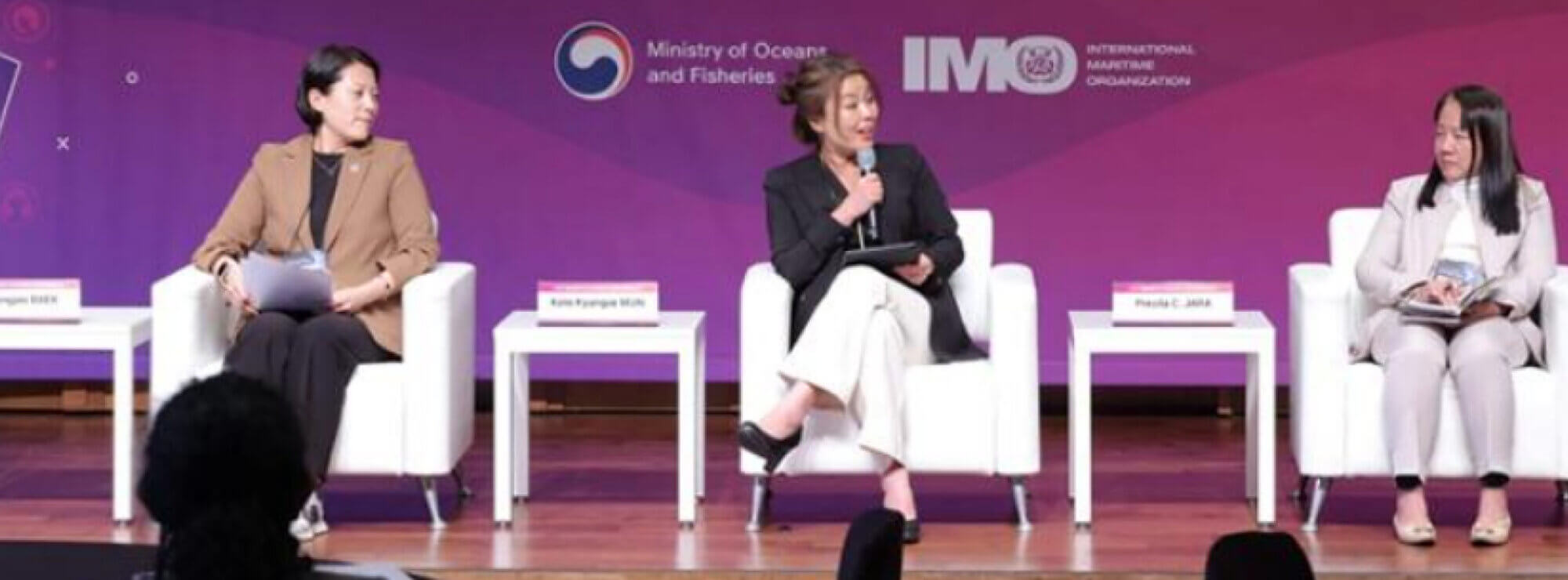
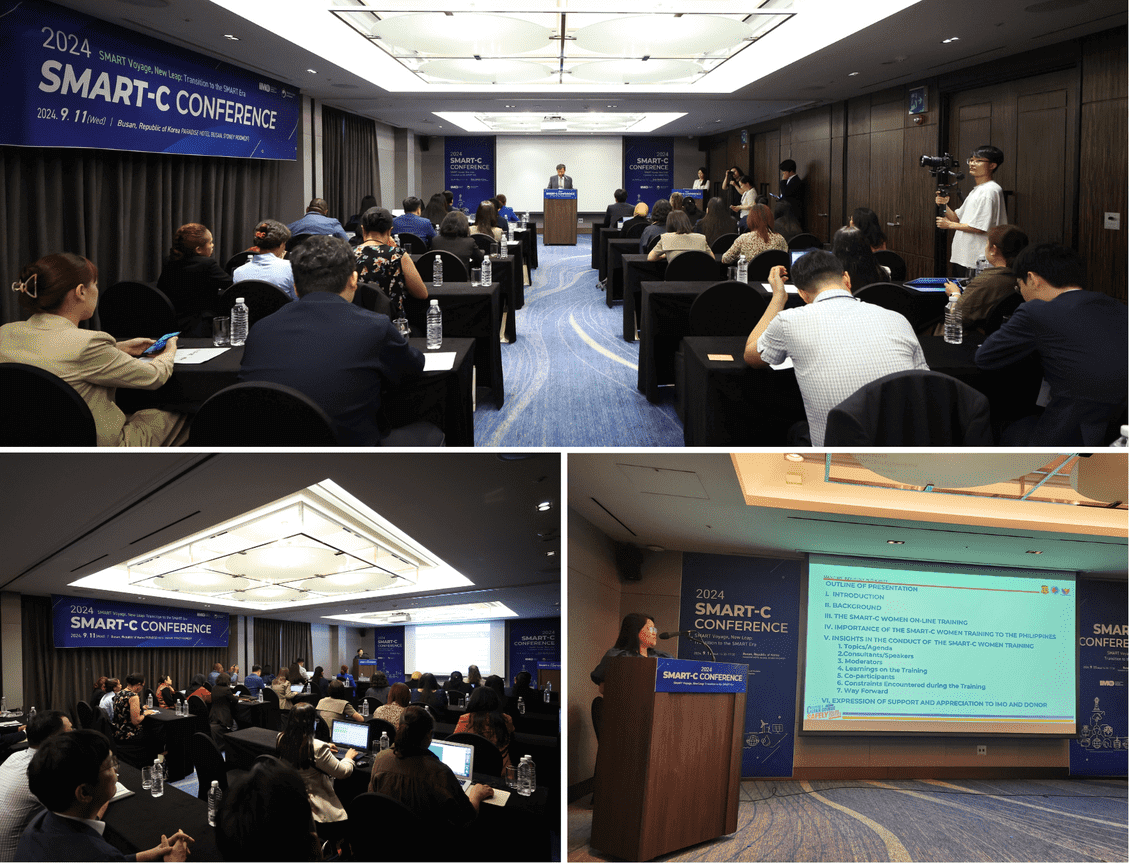
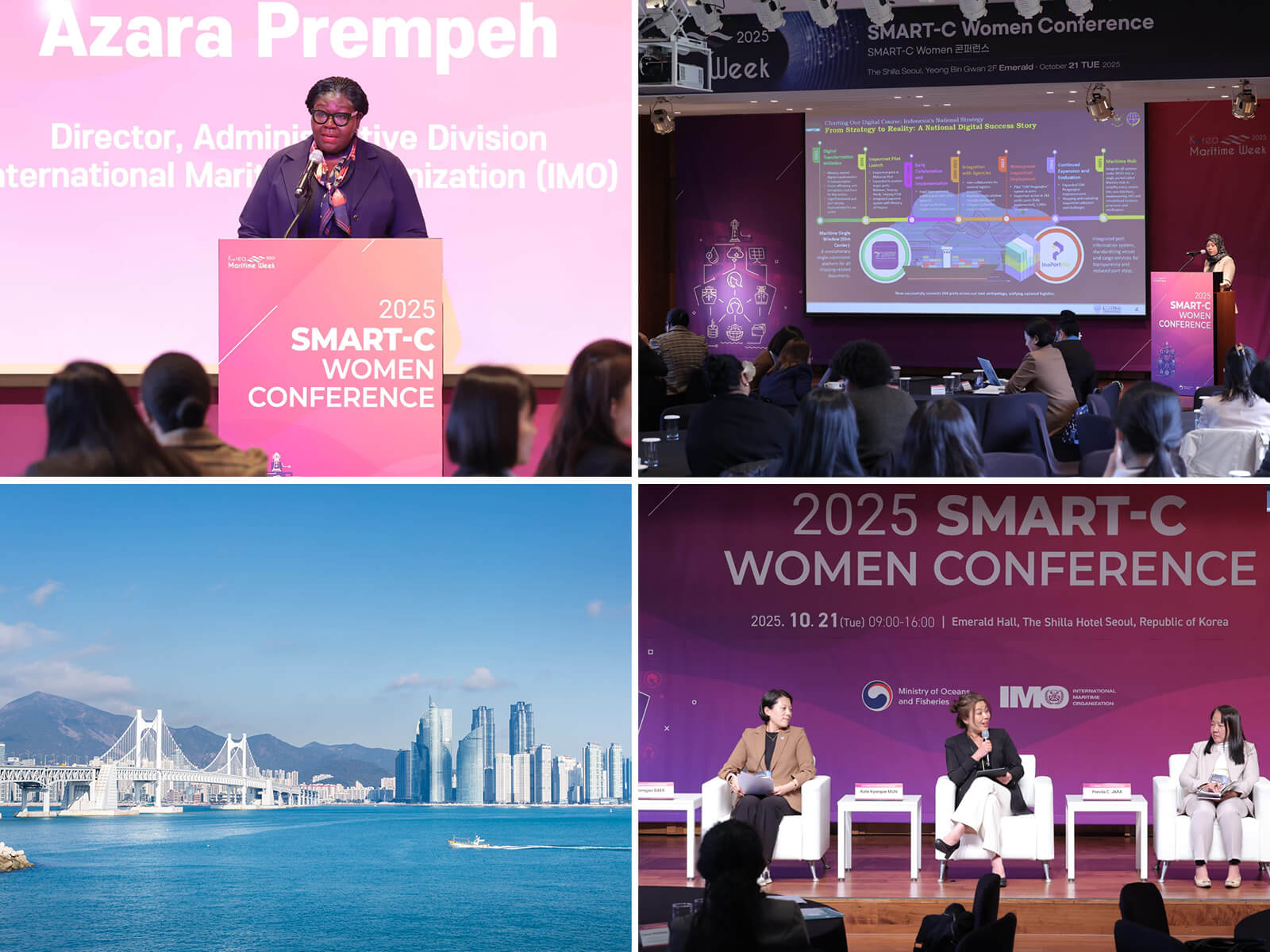
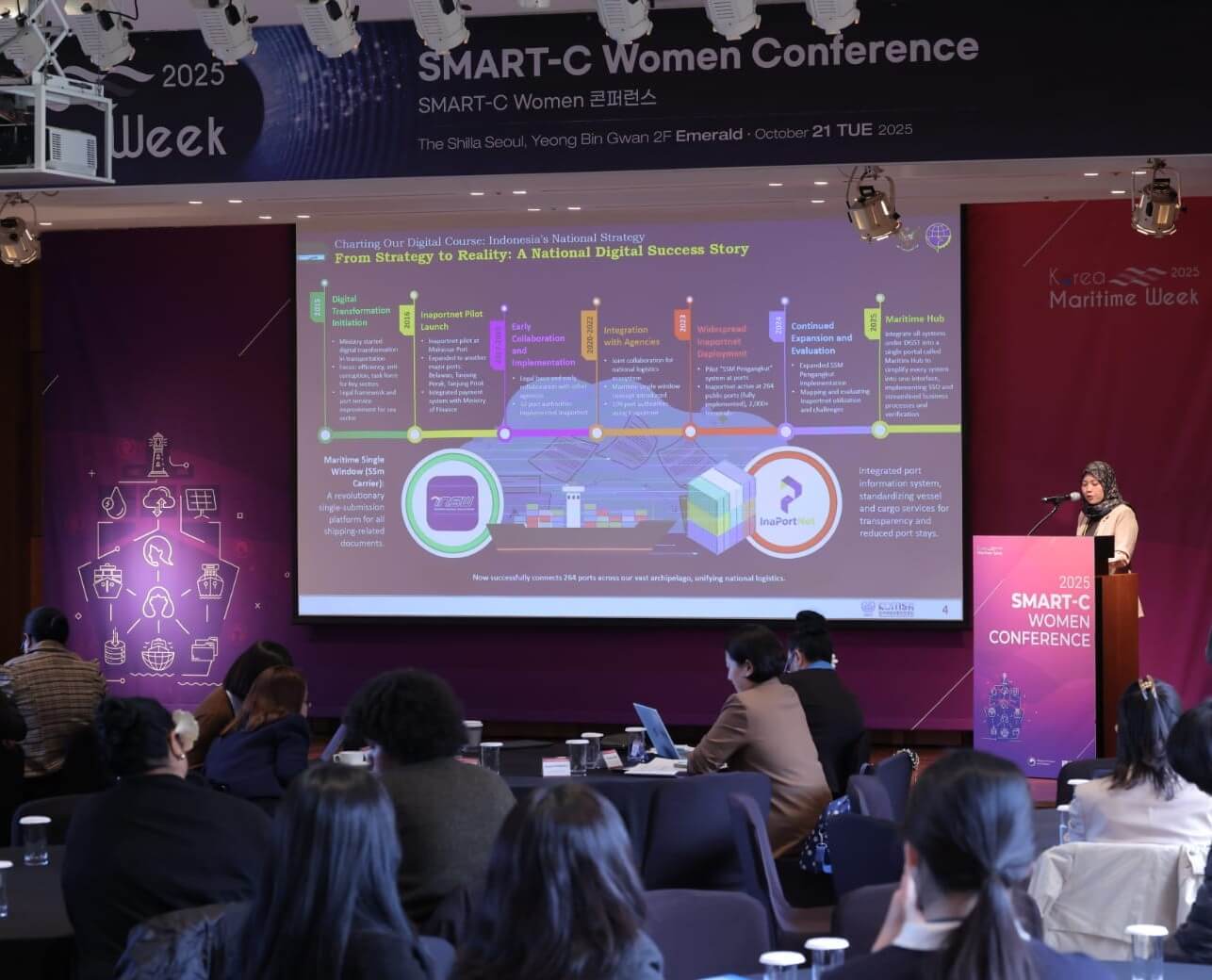
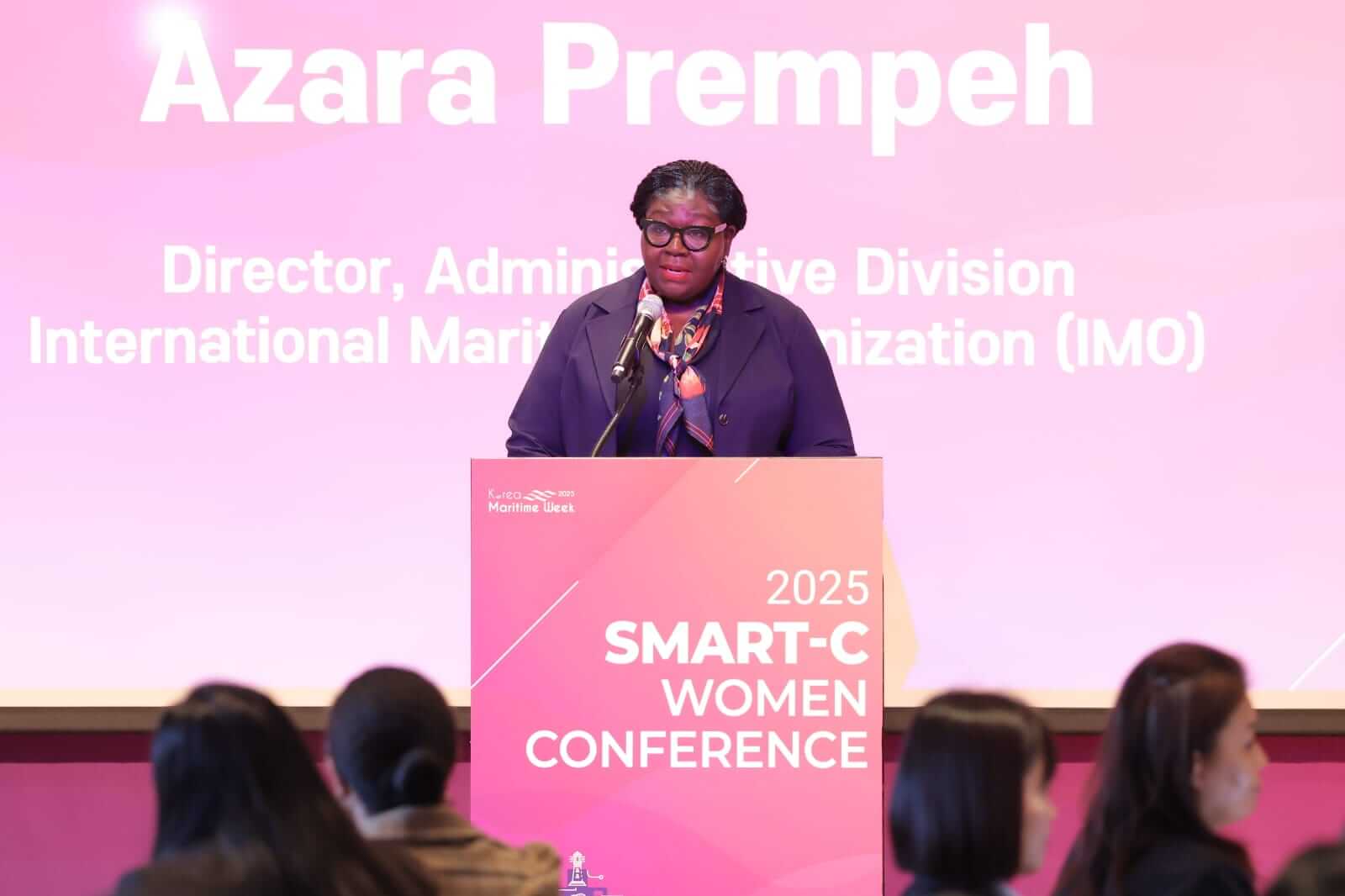
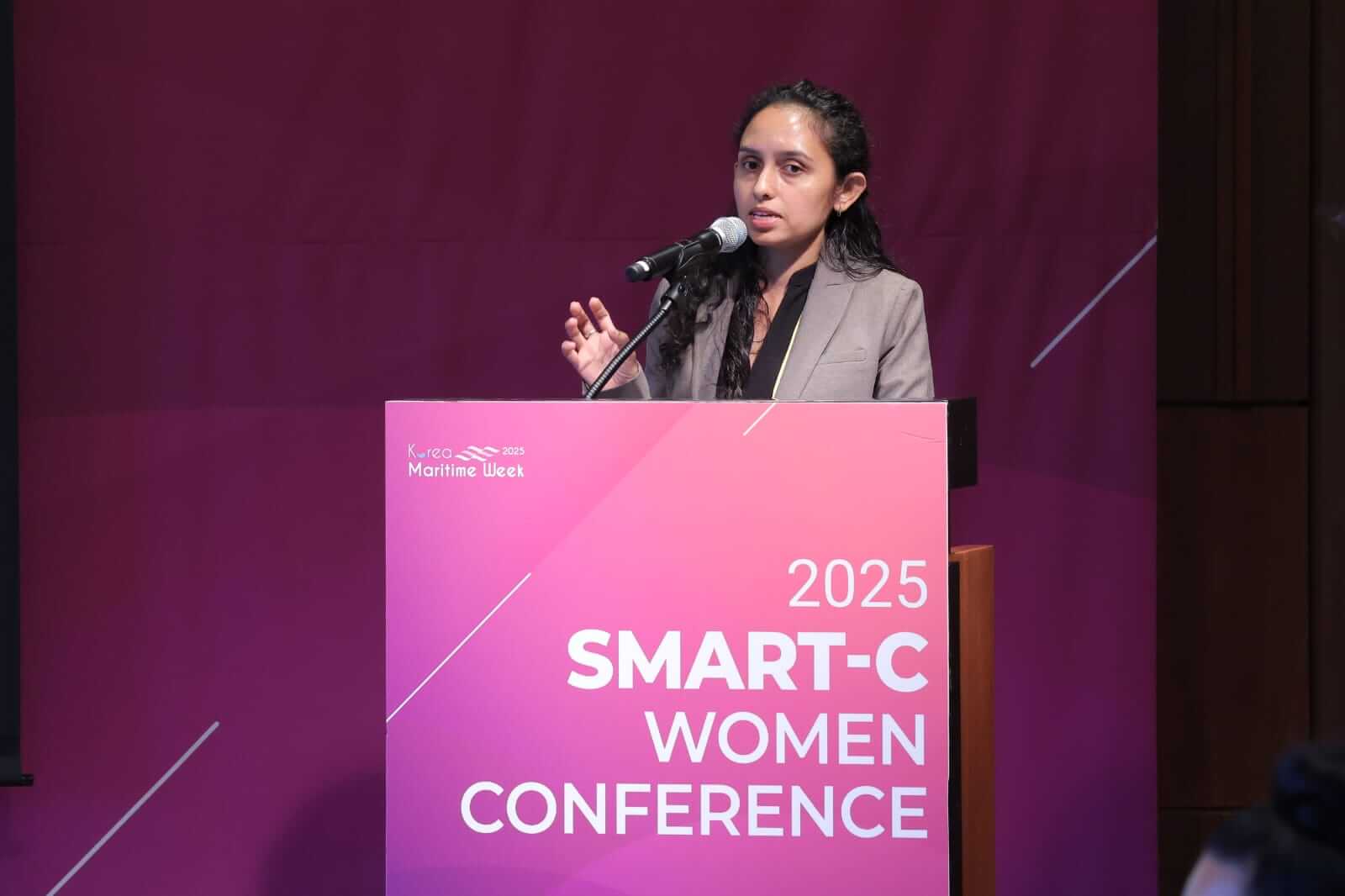
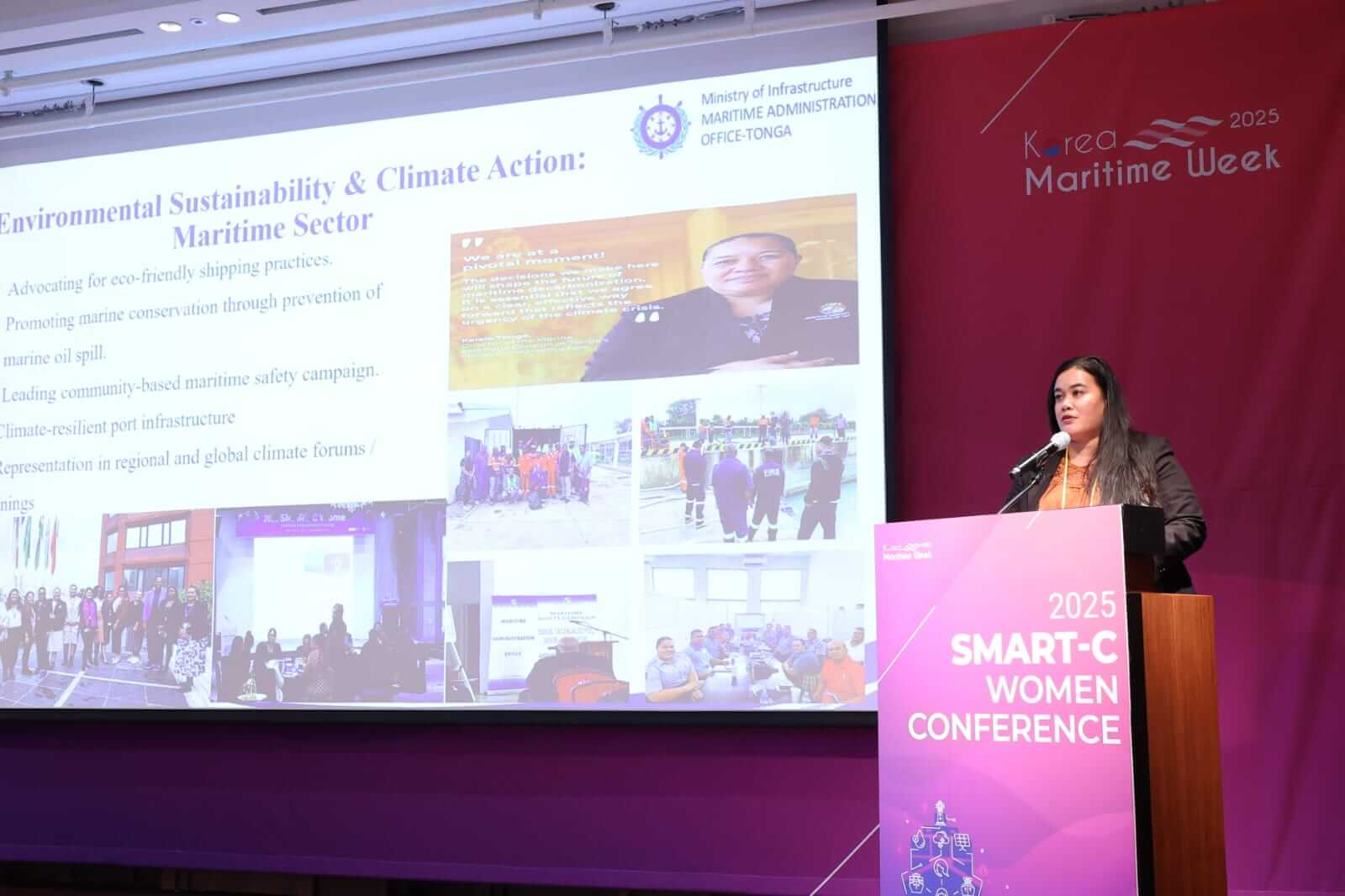
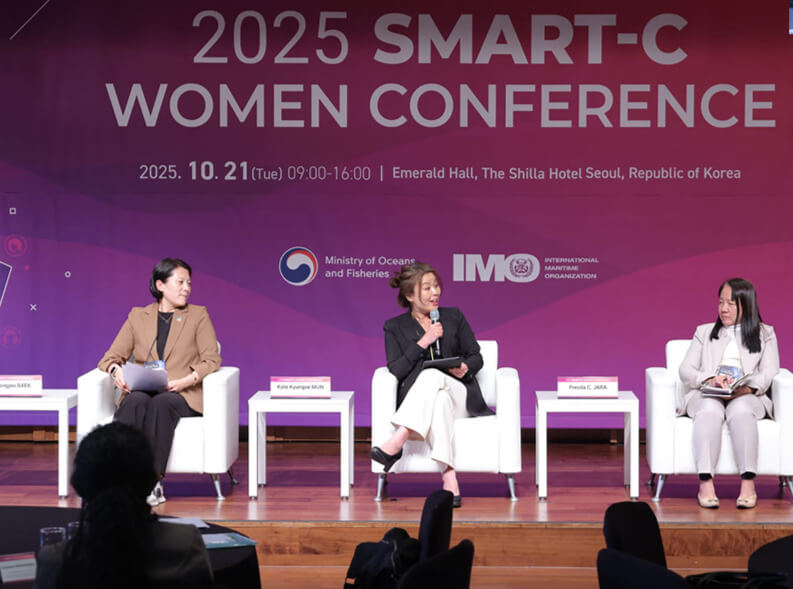
To enhance international visibility and information sharing, SMART-C Women Conferences were convened in 2024 and 2025 alongside the Korea Maritime Week.
These conferences brought together training participants, women maritime leaders, and representatives from regional Women in Maritime Associations, focusing discussions on digital transformation, decarbonization, and women’s leadership in the maritime sector.

Further details:

  • In 2024, the SMART-C Conference, themed “SMART Voyage New Leap: Transition to the SMART Era”, held on 11 September, was attended by six (6) SMART-C Women in-person training participants and 3 other women professionals from national maritime authorities.
  • In 2025, the SMART-C Women Conference, “Empowering Women in the Maritime Sector”, held on 21 October 2025, was attended by six (6) SMART-C Women in-person training participants, one (1) guest speaker each from WISTA, WIMA Korea, WIMA Philippines, and PacWIMA, and 2 other women professionals as panellists.
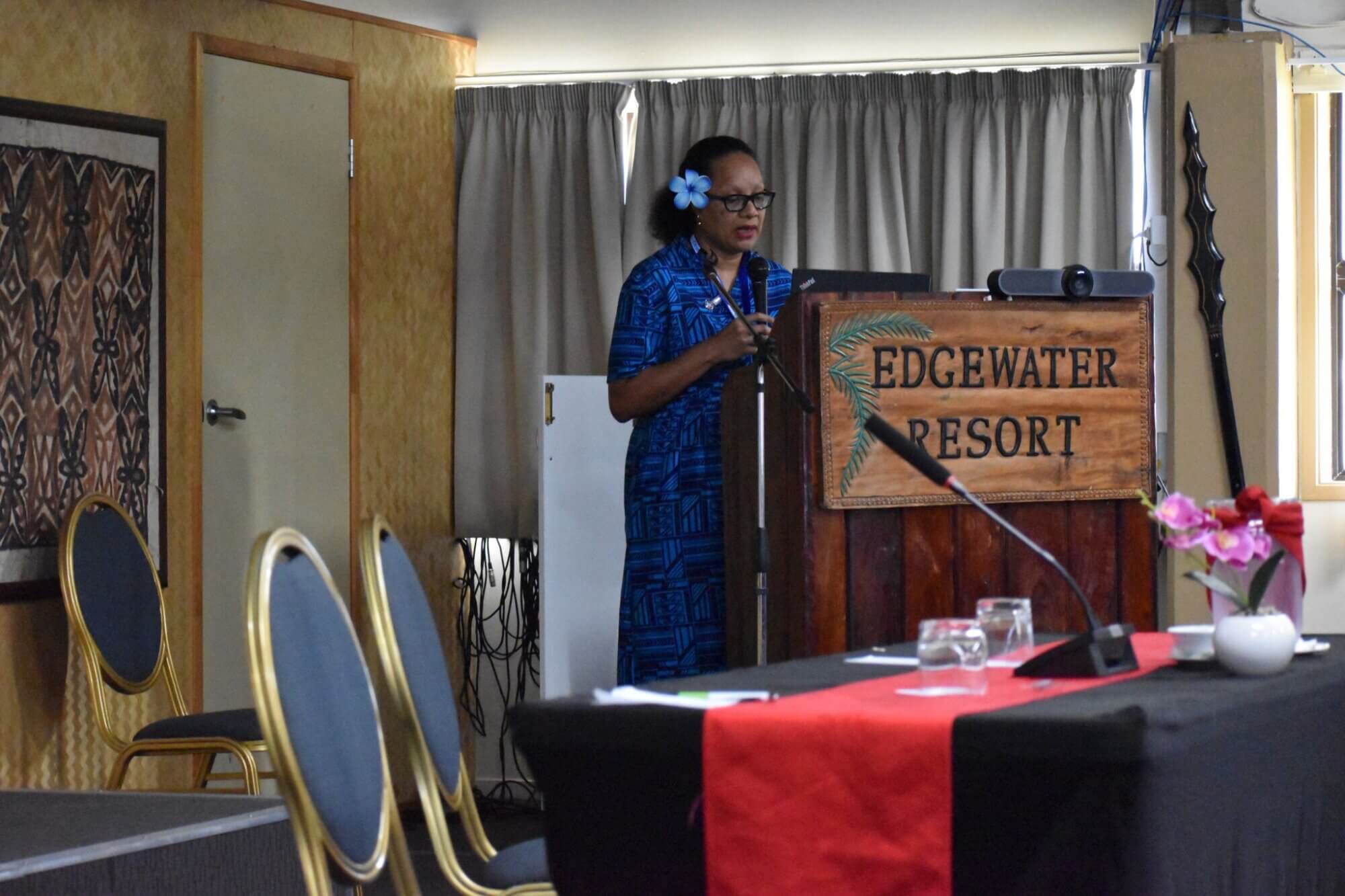
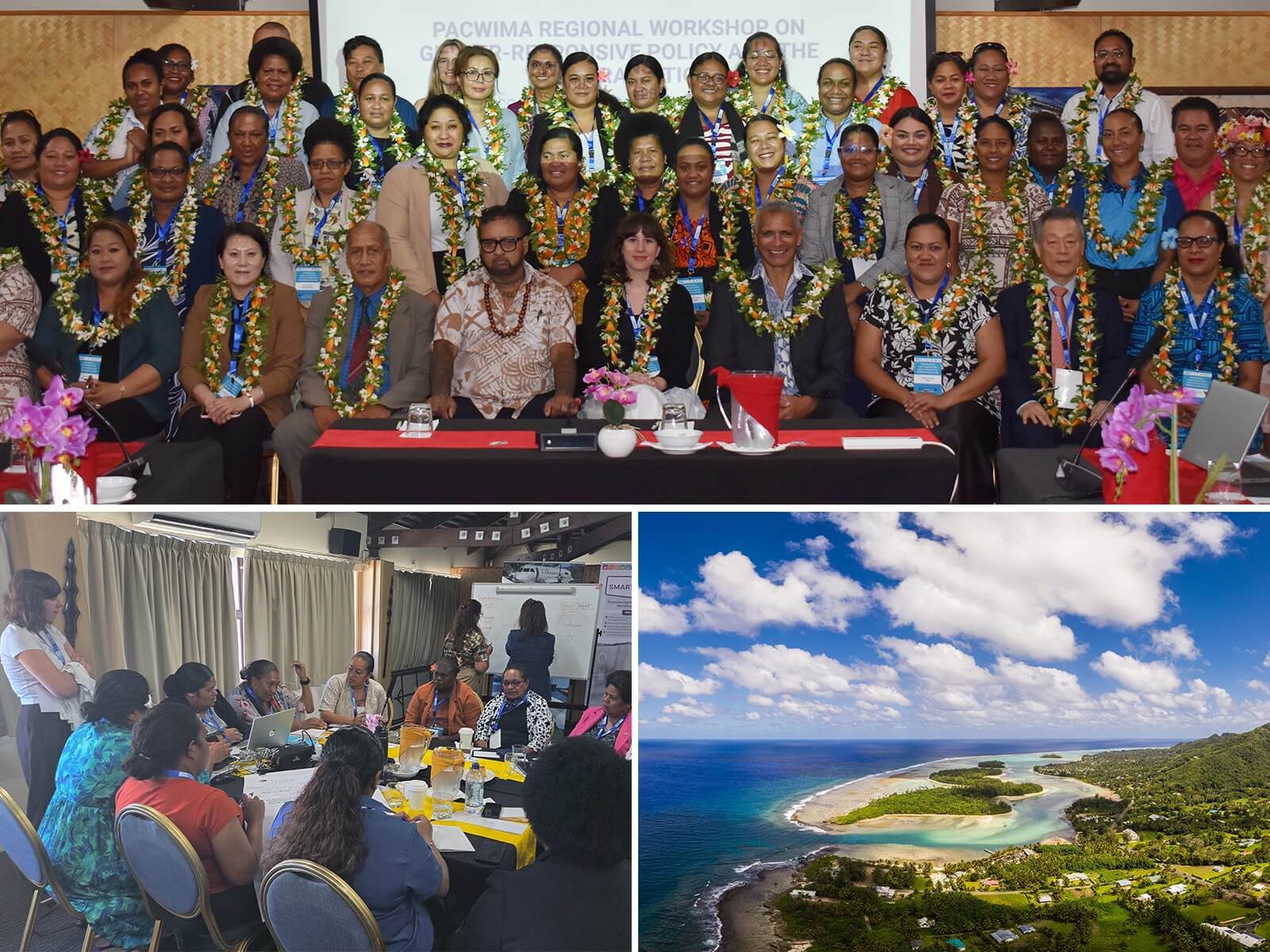
  • In 2026, the Regional Workshop on Gender-Responsive Governance and the Twin Transition, held from 8 to 12 February in Rarotonga, Cook Islands, was supported by the SMART-C Women Project and attended by seven (7) alumnae of the 2025 SMART-C Women training programme, representing five (5) Pacific Small Island Developing States (SIDS), together with women maritime professionals from twelve (12) Pacific countries, reflecting the project’s continued commitment to advancing women’s participation in sustainable maritime development across the Pacific.

This platform promoted knowledge-sharing, mentorship and the visibility of women’s contributions to maritime governance.

Pilot Consultancy Project to Develop National Master Plan for Maritime Women Empowerment

The IMO, in collaboration with the World Maritime University (WMU) and the Vietnam Maritime Administration, as the selected pilot country for the Asia region, is developing a national master plan in empowering women in maritime decarbonization and digitalization. The initiative is supported by training sessions for women maritime officials from the five Asian beneficiary countries, focusing on master plan development.
A similar initiative is planned for a Pacific beneficiary country, which will be selected to serve as the pilot for the Pacific region in the fourth quarter of 2026.