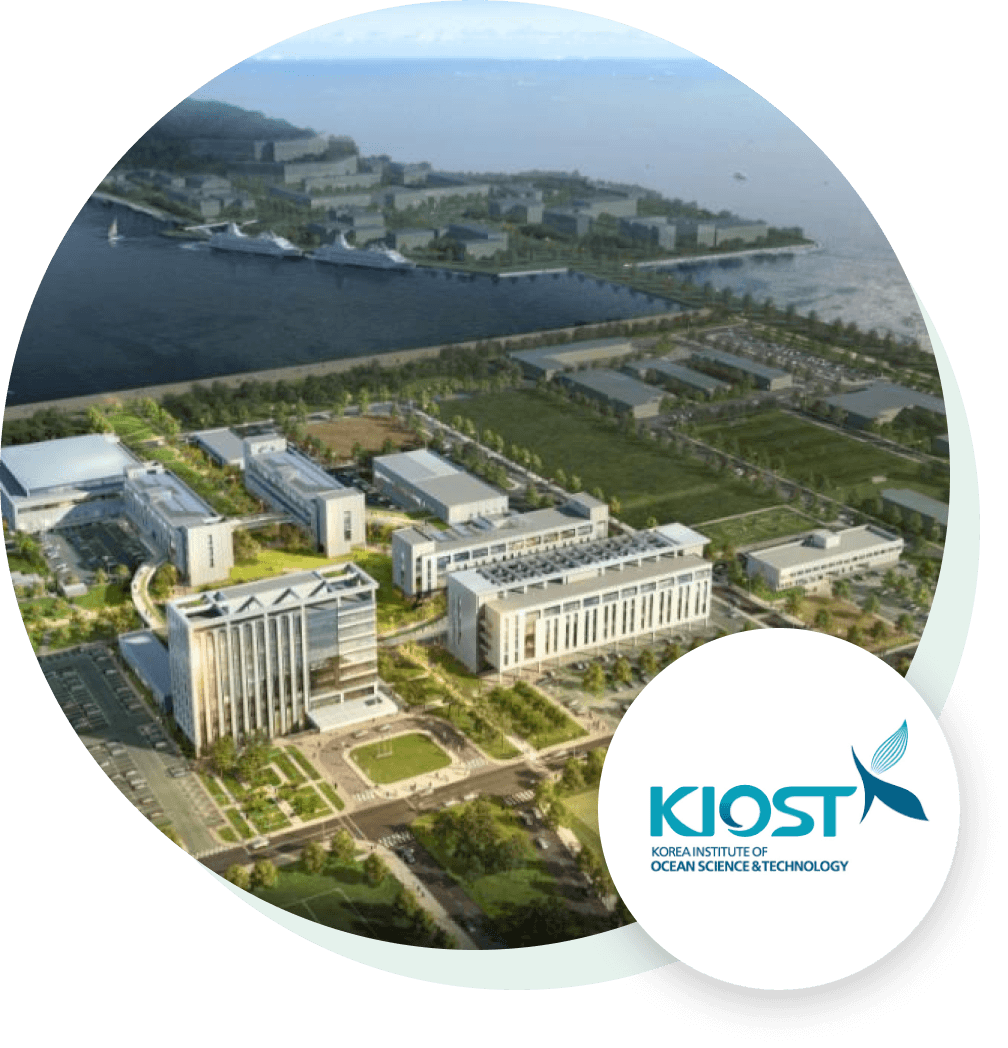

Provide scholarships for maritime officials from developing countries to gain in-depth, hands-on experience in implementing the London Protocol through the two-year LP Engineering Master of Project Administration programme at the Korea Institute of Ocean Science and Technology.
The SMART-C LC/LP Project aims to promote the implementation of a marine pollution prevention treaty called the London Protocol through sustained partnerships, collaborative marine environmental research and education, with a focus on Mongolia, the Caribbean, and other developing countries.
Issue
The London Convention (LC) and London Protocol (LP) are two treaties that set a global standard for countries to prevent marine pollution, particularly from dumping at sea. However, the newer and more protective LP has struggled to attract new countries, and even existing LP parties have challenges with implementation.
These issues are rooted in the lack of scientific, technical and administrative capacities for LP implementation in many countries. While various regional and national initiatives have offered support, there remains a clear need for longer term and more sustained education and capacity-building.
The SMART-C LC/LP Project was created to meet this need by helping countries to develop the skills and knowledge required to prevent marine pollution through LP implementation.
Our Activities Aim to...
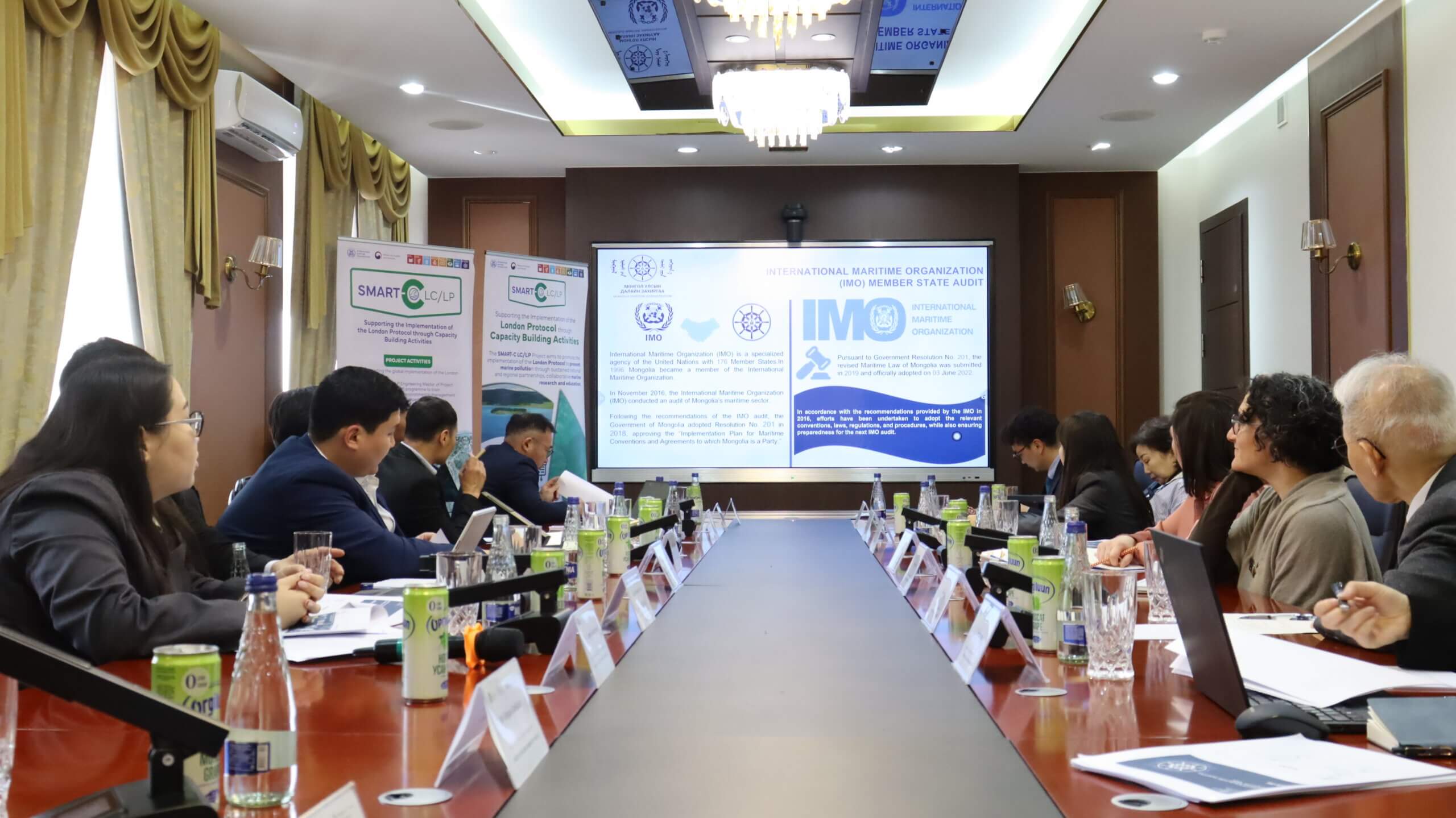
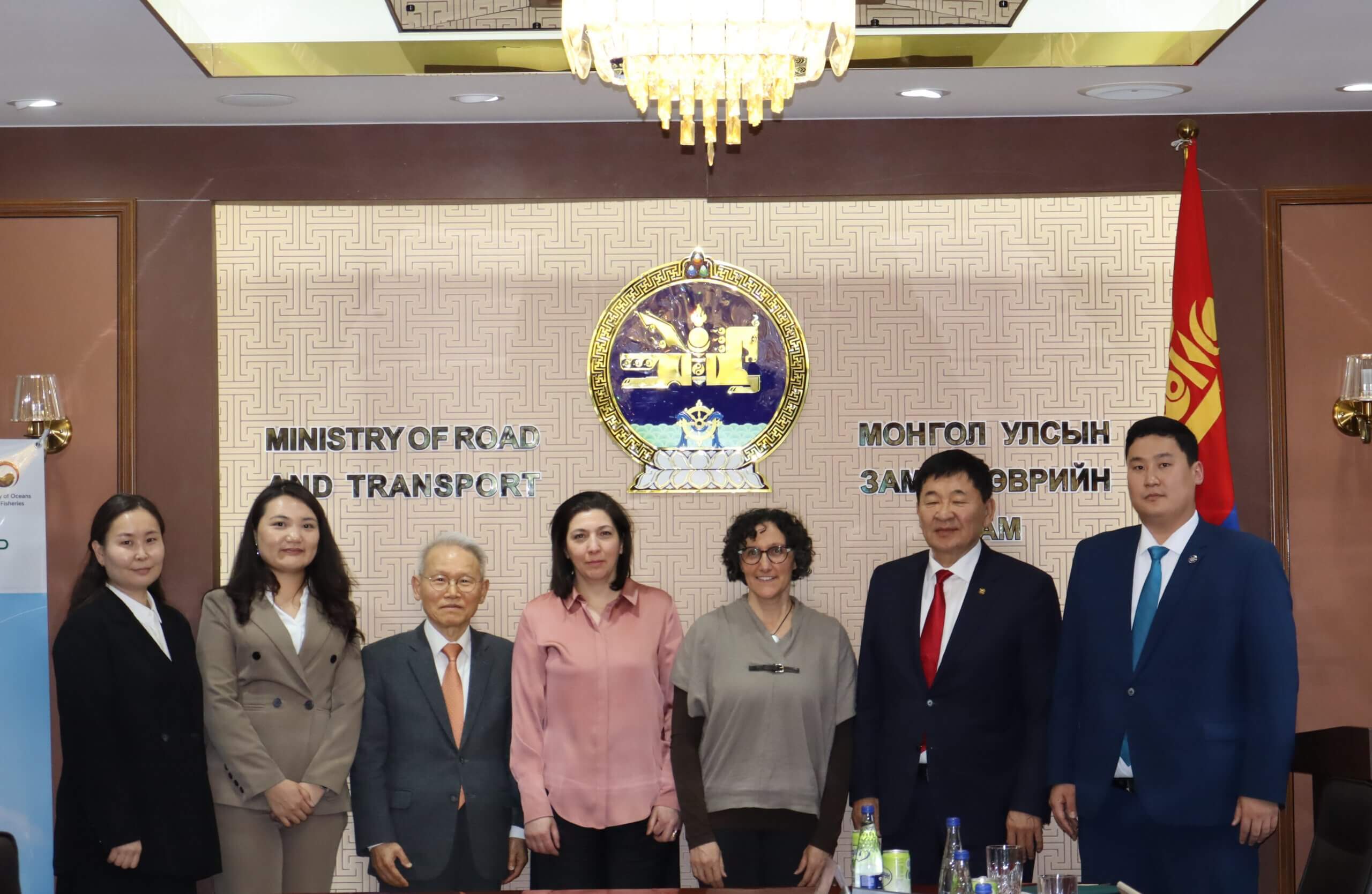
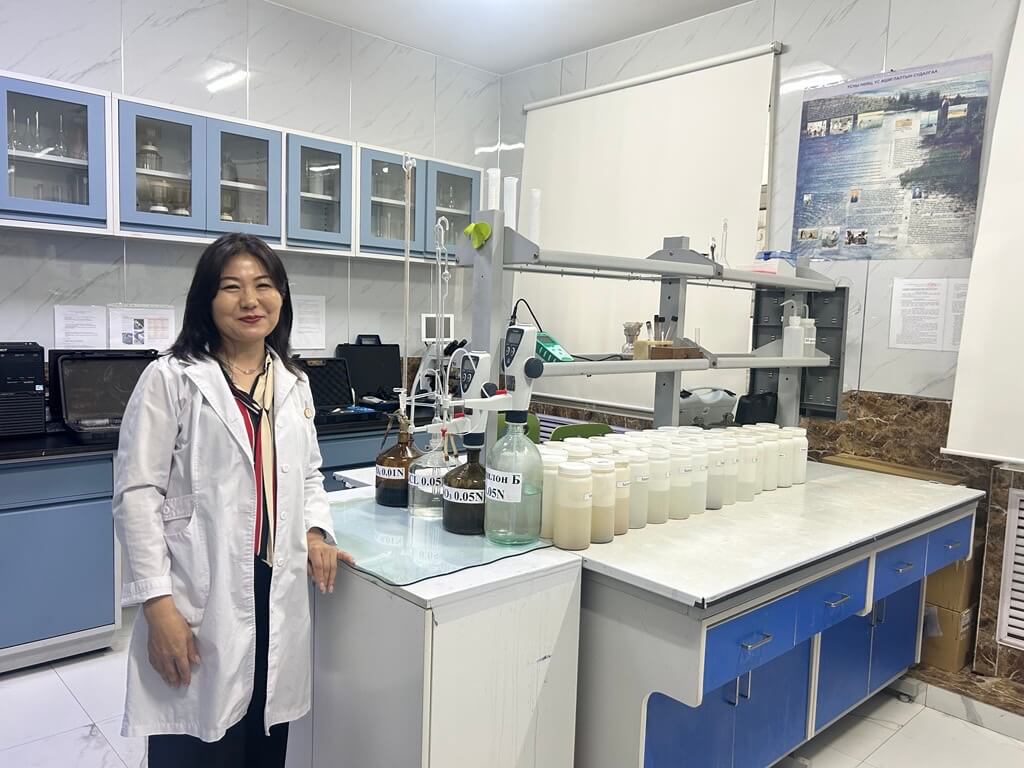
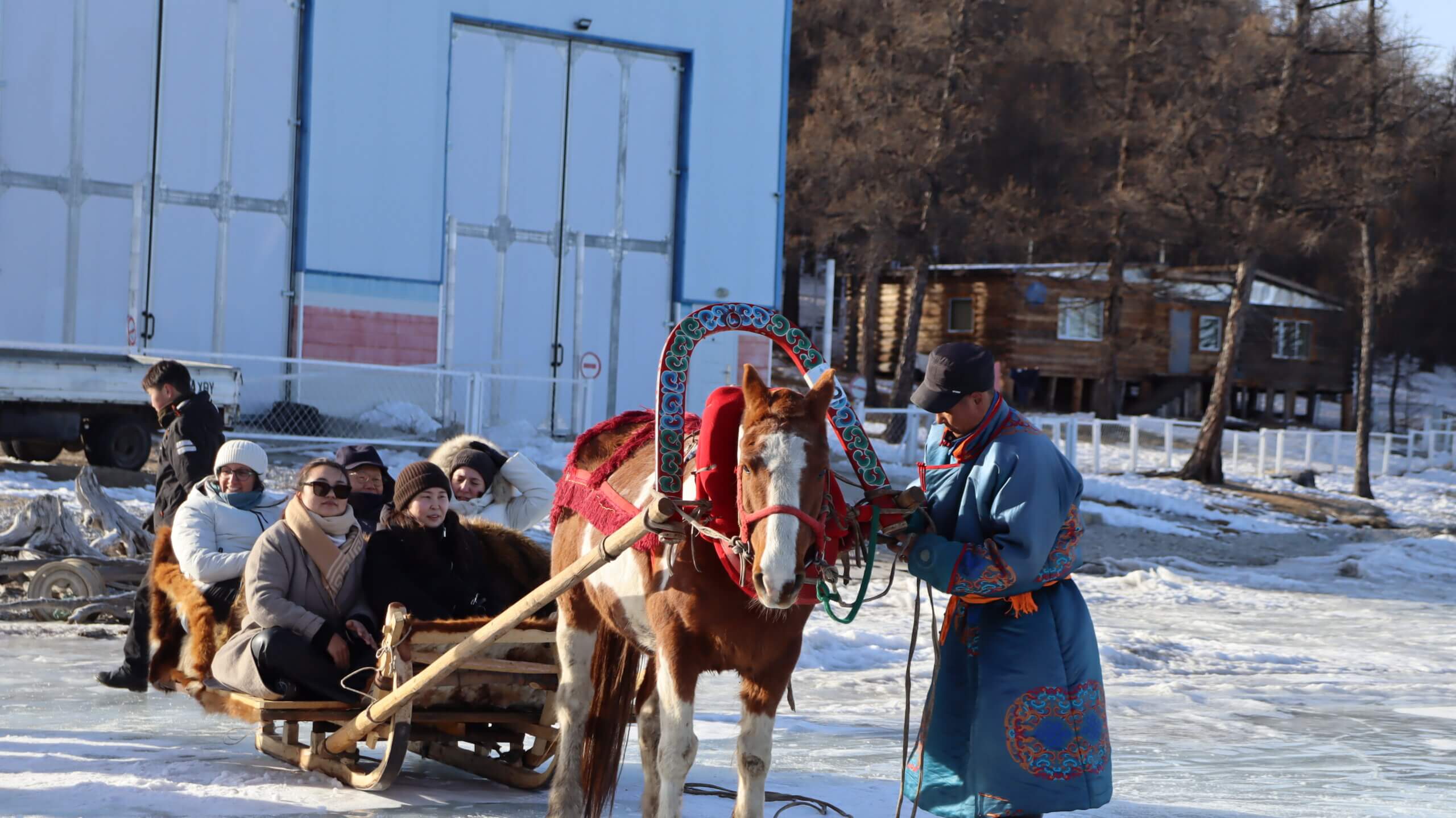
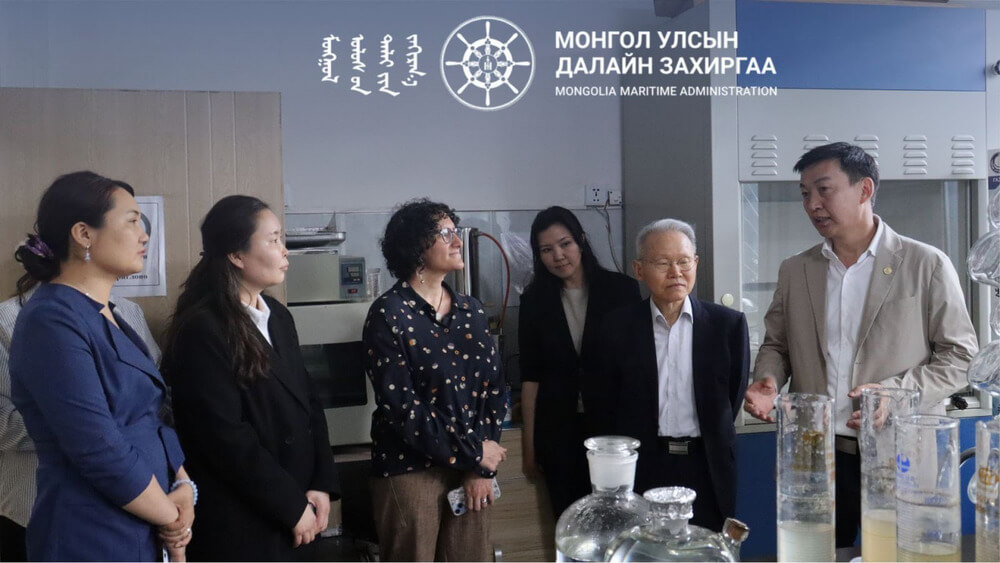
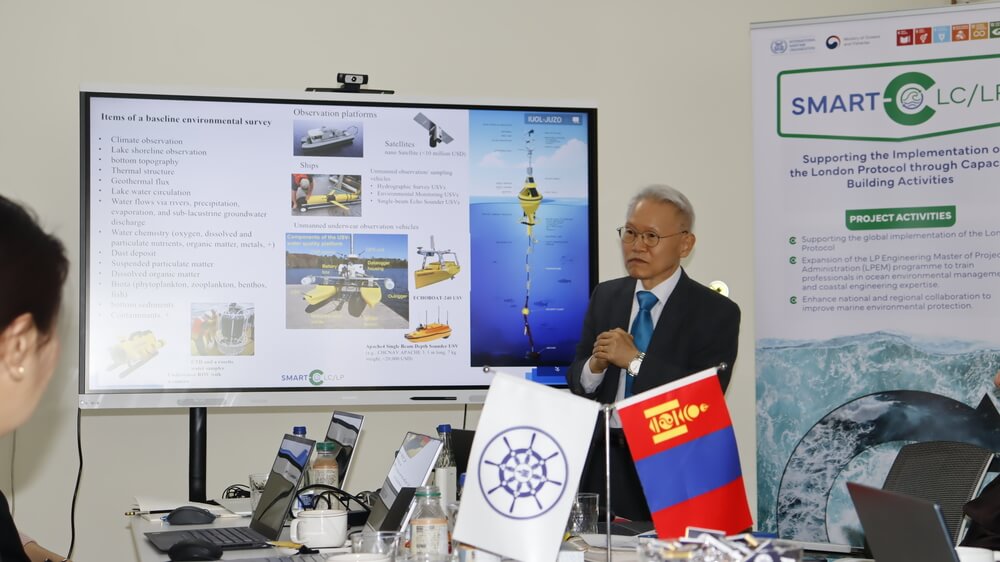
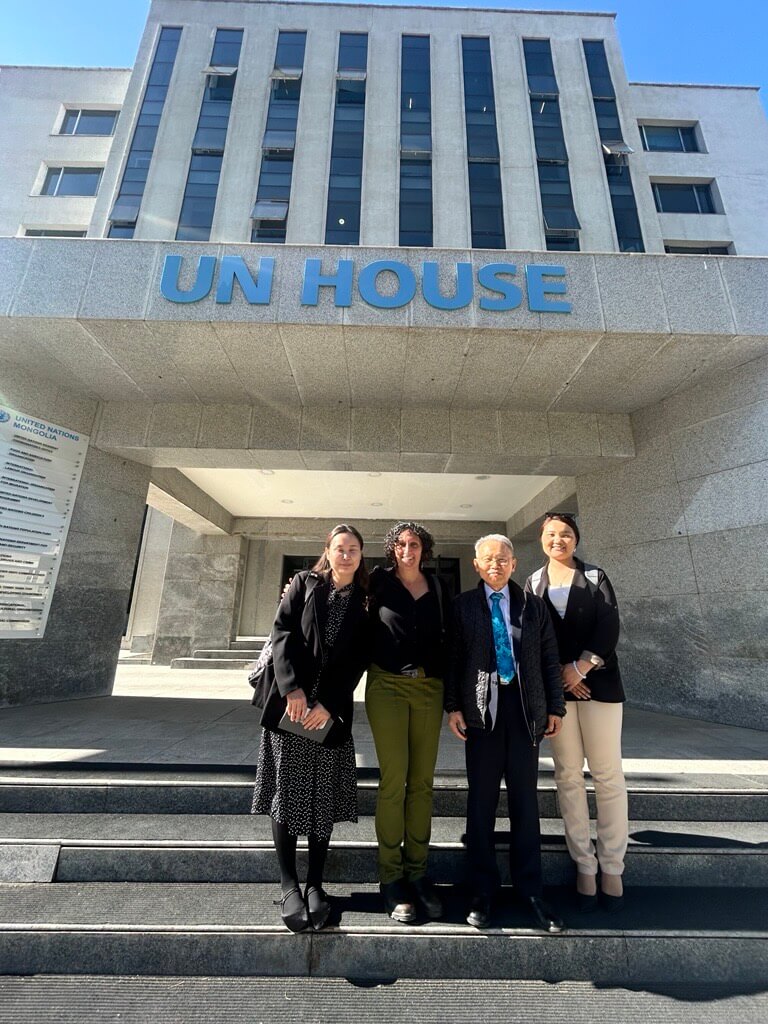
Support Mongolia’s efforts to implement the LP by training officials, conducting a baseline environmental survey of Khuvsgul Lake, and strengthening the country’s scientific and administrative capacity to prevent pollution in its inland waters.
Strengthen LP implementation in the Caribbean by helping countries work together through scientific and administrative training, collaborative research, and baseline environmental surveys.
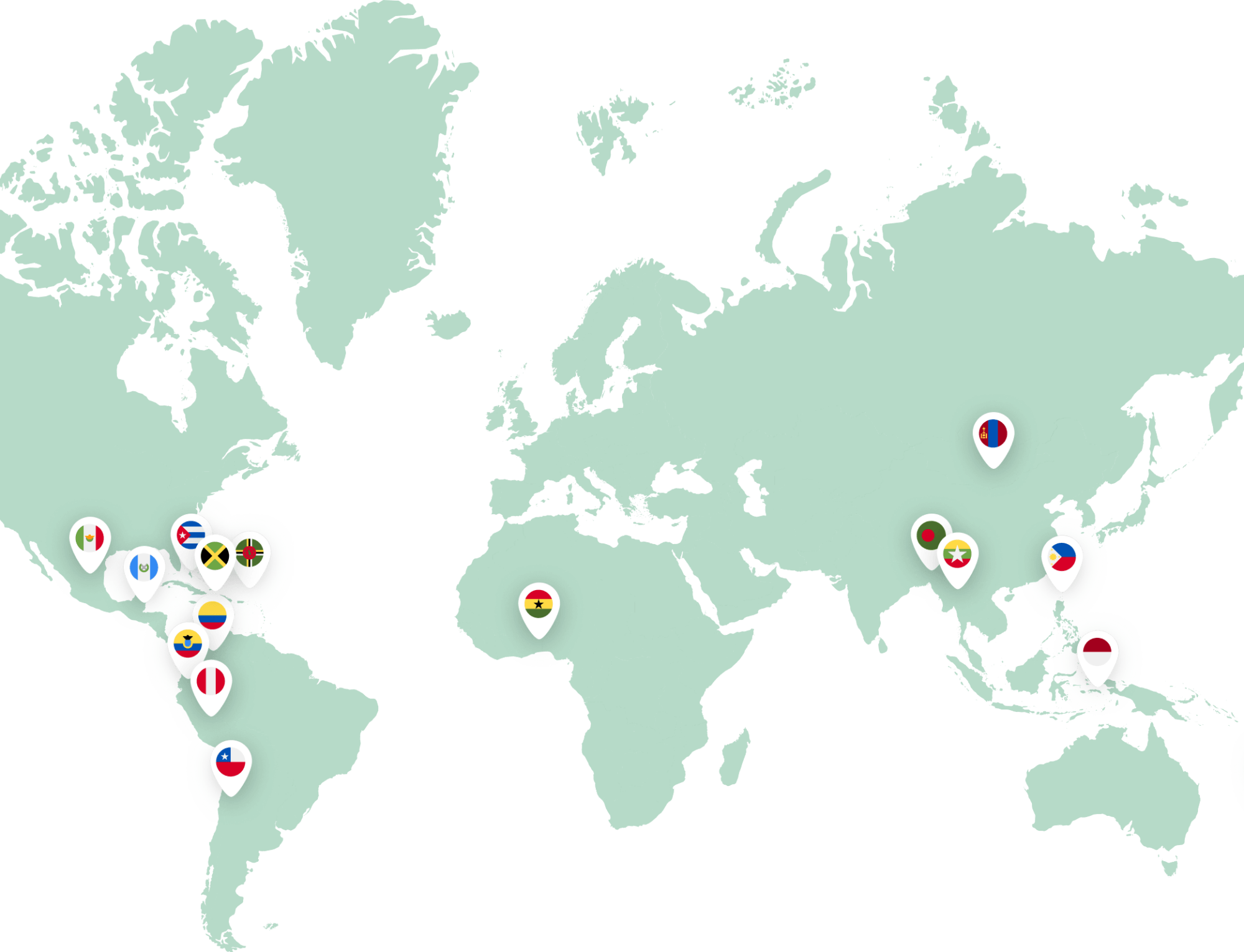
Project Beneficiaries
Mongolia
Caribbean
Barbados
Belize
Colombia
Costa Rica
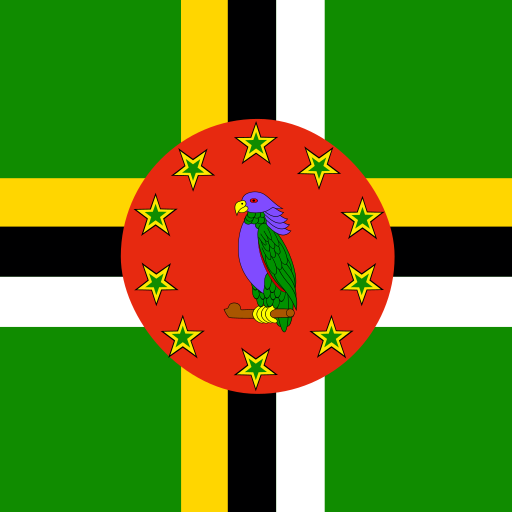
Dominica
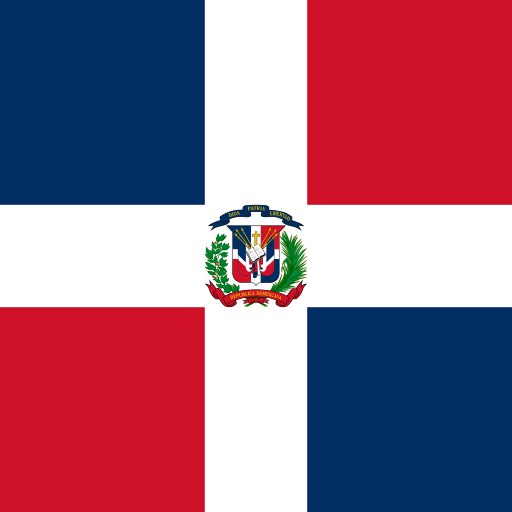
Dominican Republic
Honduras
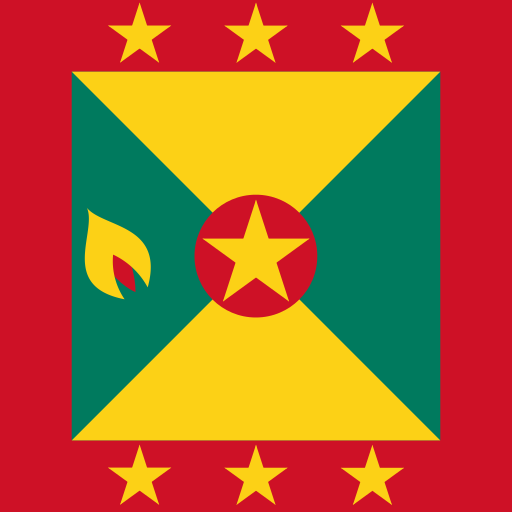
Grenada
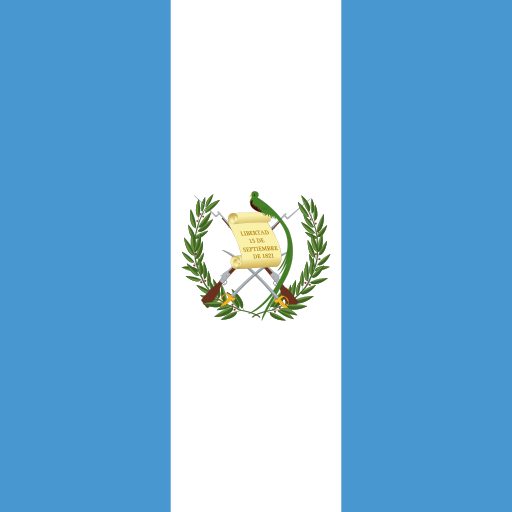
Guatemala
Saint Lucia
Mexico
Panama
Saint Kitts and Nevis
Saint Vincent and the Grenadines
The French Overseas Territories
SMART-C LC/LP in Mongolia
Why Mongolia?
The SMART C LC/LP Project aims to support Mongolia in strengthening its pollution prevention capacity, using Khuvsgul Lake as a model case study. Although Mongolia is land locked, its inland water challenges resemble those faced by LP Parties in the marine environment.
Project Approach
The SMART-C LC/LP Project in Mongolia involves three key elements:
Together, these activities will build Mongolia’s long-term capacity to implement the LP, and support national conservation goals for Mongolia’s other inland water bodies.
Mongolia’s successful implementation of the LP in a lake environment will demonstrate the effectiveness of LP measures beyond marine settings. This success will encourage Mongolia to join the LP and provide a model for neighbouring countries with limited experience in LP implementation.

About Khuvsgul Lake:
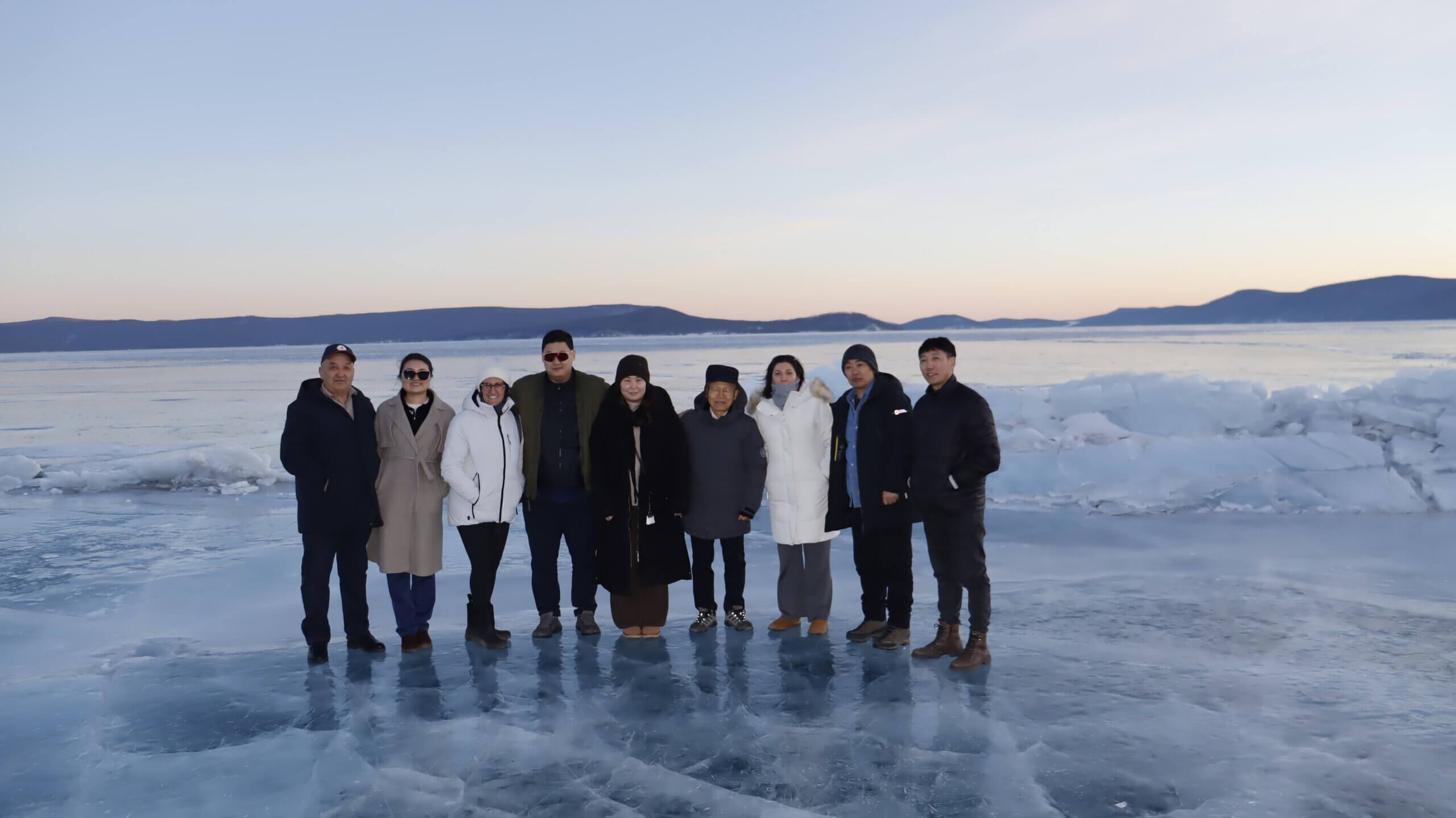
Khuvsgul Lake is situated in the northwestern reaches of Mongolia, and about 7,000 people live on its shores. It provides essential water resources for Mongolians, and vital ecological services that led to its designation as a UNESCO Biosphere Reserve. Khuvsgul Lake also provides Mongolia with navigable waterways, and winter ice roads.
Environmental Pressures on the Lake
Khuvsgul Lake is facing pressure from an increasing number of visitors who come to experience the biodiversity and unique culture within the National Park that surrounds the lake. The growing number of visitors are exceeding the capacity for existing infrastructure to manage wastewater, and there are now signs of eutrophication in what is otherwise a low-nutrient environment. The lake also faces a poorly researched threat from trucks that sank through the ice over the past several decades before new safety regulations for ice roads were imposed.

Project achievements to date
To date, the project has completed a preliminary needs assessment and developed draft recommendations for training, improvements to scientific and technical infrastructure, and research gaps related to the Lake and the pressures it is facing. The next project phase will focus on validating recommendations with Mongolian officials and planning detailed training and field survey activities.

SMART-C LC/LP in the Caribbean
Dredging of sediment to create and maintain navigable waterways is the main source of material that is dumped at sea in the Caribbean. This challenge also presents an opportunity: countries can manage dredged sediments in ways that prevent pollution, protect sensitive marine areas, and support reuse of the material for habitat creation, coastal armouring, and other benefits. To address these challenges and support sustainable sediment management across the region, the SMART C LC/LP Project is working with Caribbean countries to build the technical and administrative capacity needed for effective LP implementation. The SMART-C LC/LP Project will work with all interested Caribbean countries to build local capacity for LP implementation and foster ongoing knowledge exchanges and research collaborations that will make it easier to sustain this implementation beyond the end of the project.
A regional needs assessment is guiding the Project’s training and research activities. This assessment will help to identify the support Caribbean states require to assess, permit, and monitor ocean dumping and other marine pollution sources – core components of LP implementation.
The SMART-C LC/LP Project will undertake: the following activities in the Caribbean region:
Other Facts
The Caribbean region includes both Parties and non-Parties to the London Protocol and Convention.

Project achievements to date
The project has completed a preliminary needs assessment and established a strategic partnership with the Cartagena Convention Secretariat. Caribbean countries have also been contacted to evaluate the types and quantities of material they are dumping at sea, and several have now confirmed their participation in the Project.
Strategic Partner
Cartagena Convention Secretariat
SMART-C LC/LP and the KIOST LPEM

The London Protocol Engineering Master of Project Administration Program (LPEM) is hosted by the Korean Institute for Ocean Science and Technology (KIOST) in Busan, Republic of Korea. The LPEM is a model capacity building initiative that comprises a two-year degree program for Maritime officials from developing countries and offers a comprehensive education touching on all aspects of LP implementation from oceanography and coastal engineering to relevant international governance and emerging marine pollution issues. All students attend the LPEM on full scholarship.
In collaboration with the KIOST, the SMART-C LC/LP Project will enable a greater number of students from developing countries to benefit from LPEM scholarships. It will also enable all LPEM graduates to experience enhanced learning opportunities involving hands-on exercises and experiences. For example, with support from the Project, LPEM students will be able to join marine environmental sampling aboard research vessels, participate in marine field experiments, join field trips to various marine facilities, attend a greater number of conferences, and benefit from the expertise of guest lecturers from inside Korea and abroad.