Strengthening Women's Competencies in the Sustainable Maritime Transport Sector through upgrading skills related to Maritime Digitalization and Marine Environmental protection.

Overview

The SMART-C Traffic project aims to support the Philippines in the implementation of relevant regulations in the SOLAS Convention and to develop and operate a pilot test-bed to test a web-based e-navigation service platform that can efficiently analyse and manage maritime safety information as well as search and rescue (SAR) related information in an internet-based environment.

Goal and Objectives

The SMART-C Traffic project aims to support the Philippines in the implementation of relevant regulations in the SOLAS Convention and to develop and operate a pilot test-bed to test a web-based e-navigation service platform that can efficiently analyse and manage maritime safety information as well as search and rescue (SAR) related information in an internet-based environment.

The Issue

The Philippines relies heavily on sea transport as a key means of domestic and international trade and connectivity. Between 2016 and 2019, statistics indicate a steady increase in maritime accidents, highlighting the Philippine government’s urgent need to strengthen and expand its maritime safety and pollution-prevention infrastructure. This pilot project aims to support the Philippines, an island highly dependent on sea transportation to establish safe and secure navigation in port areas, enhance environmental protection, ensure compliance with international maritime traffic management standards, and promote blue economic growth through the adoption of marine digital technologies.

Key Activities

  • Identify the requirements and design for web-based e-Navigation system development.
  • Identify the process to develop and establish the Web-based e-Navigation platform in the Philippines to extend its use as model in the Asia-Pacific region.
  • Establishment of the project management system and lead of further communications by meeting with officials of the Philippines and Republic of Korea to discuss project launch and further implementation steps.
  • Establishment of a web-based e-Navigation service platform as a pilot test for the Asia-Pacific region.
  • Implement IT training and workshops for professionals.

Progress Report

Identify Requirements and Design for the Web-Based e-Navigation System Development
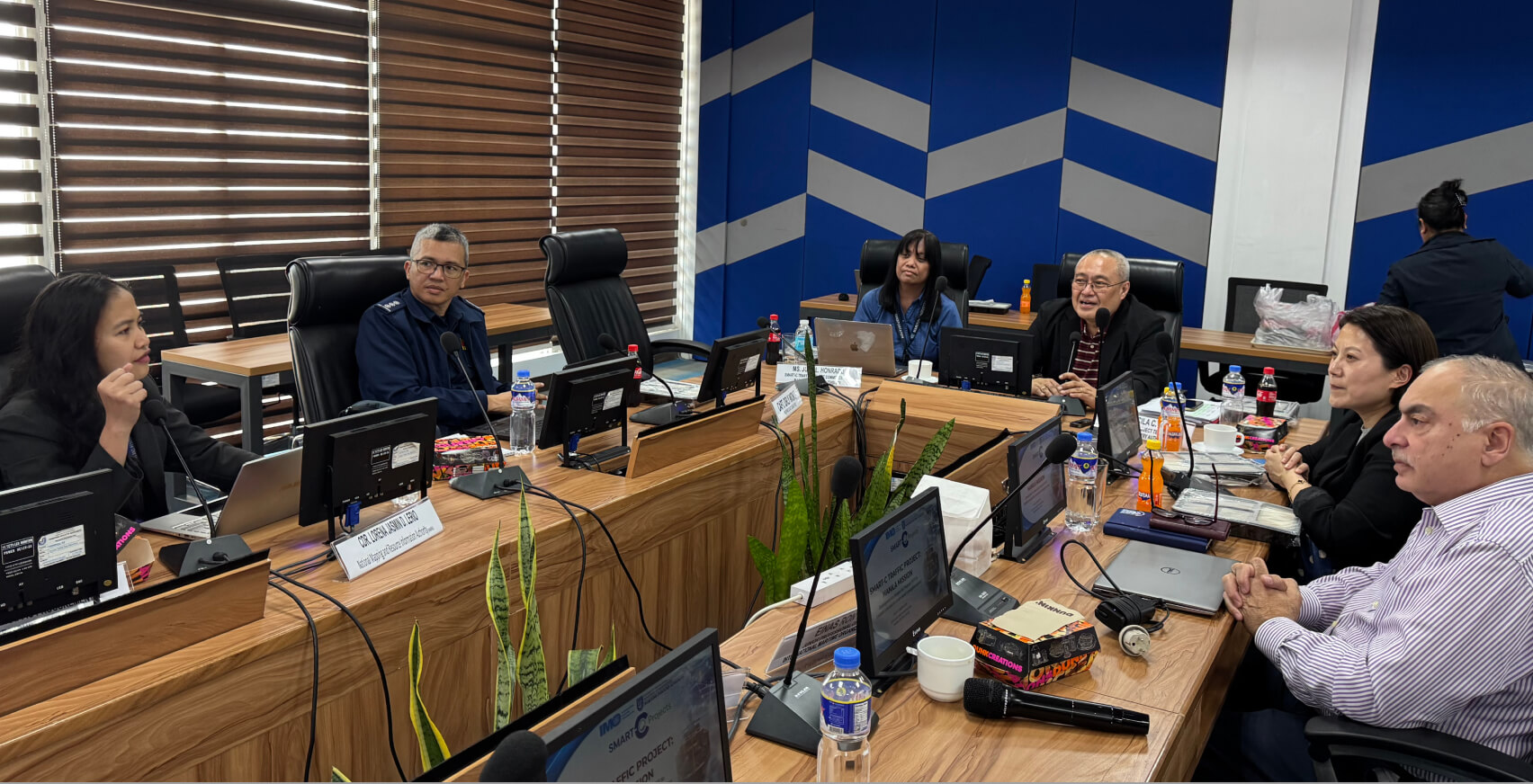
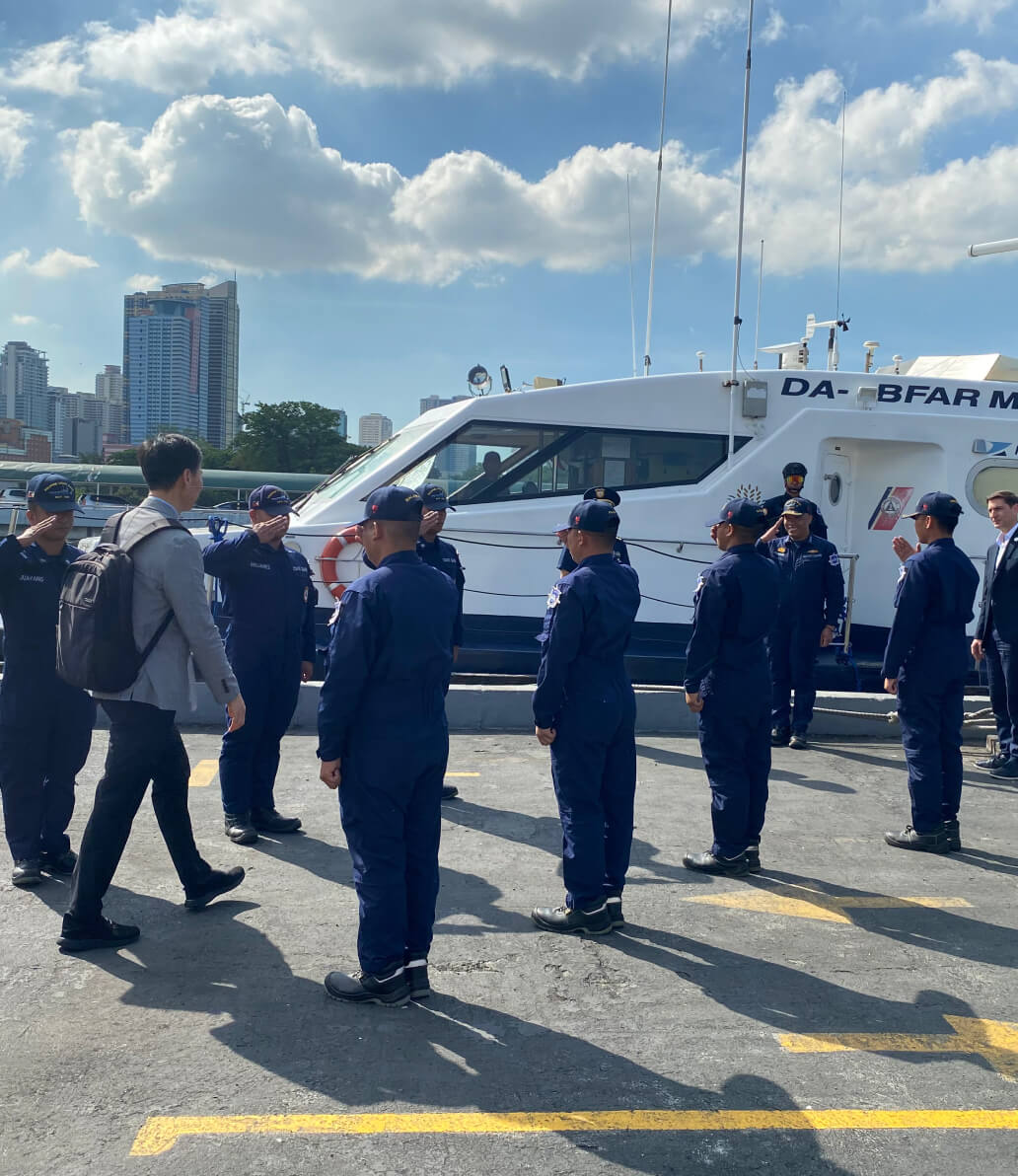
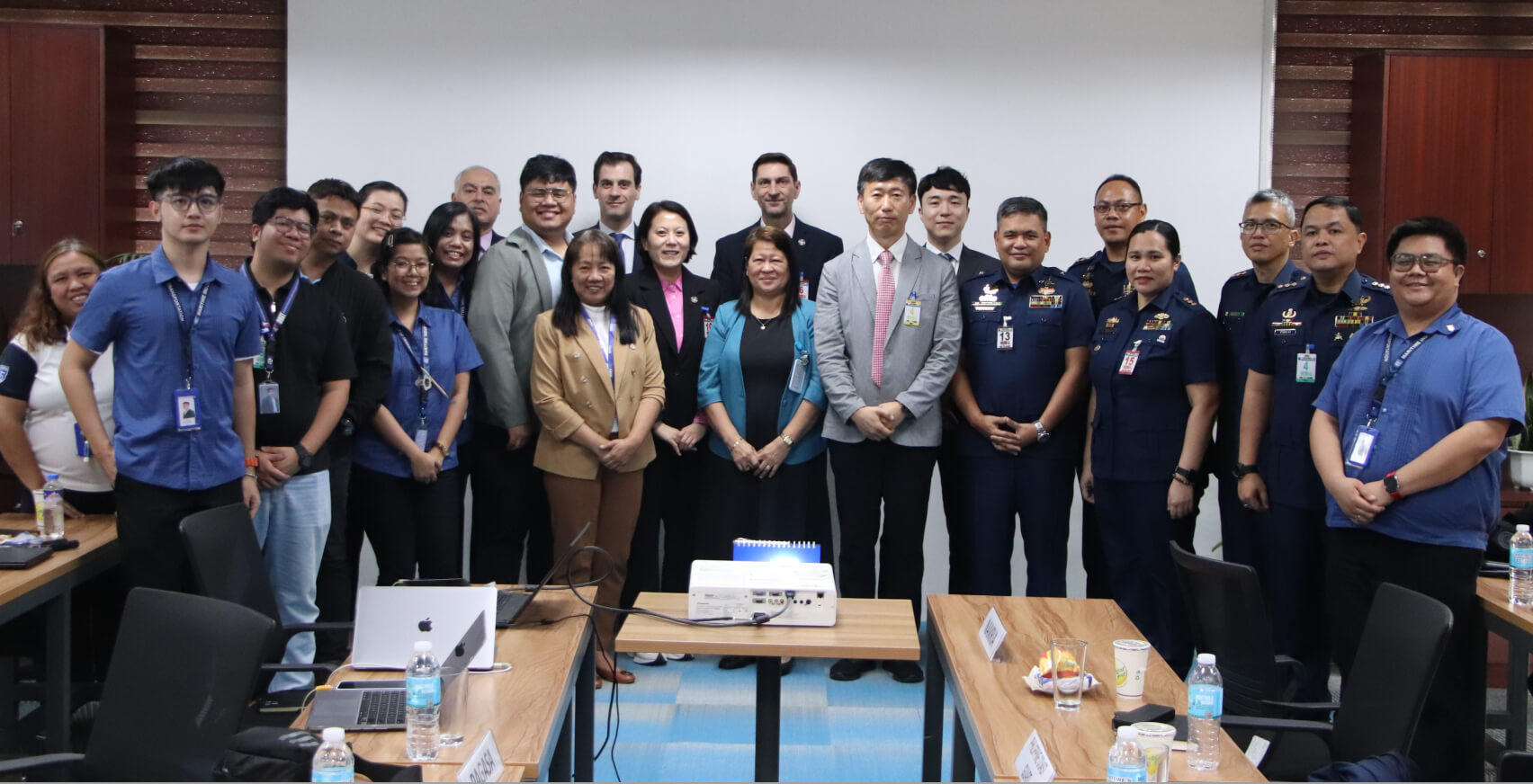
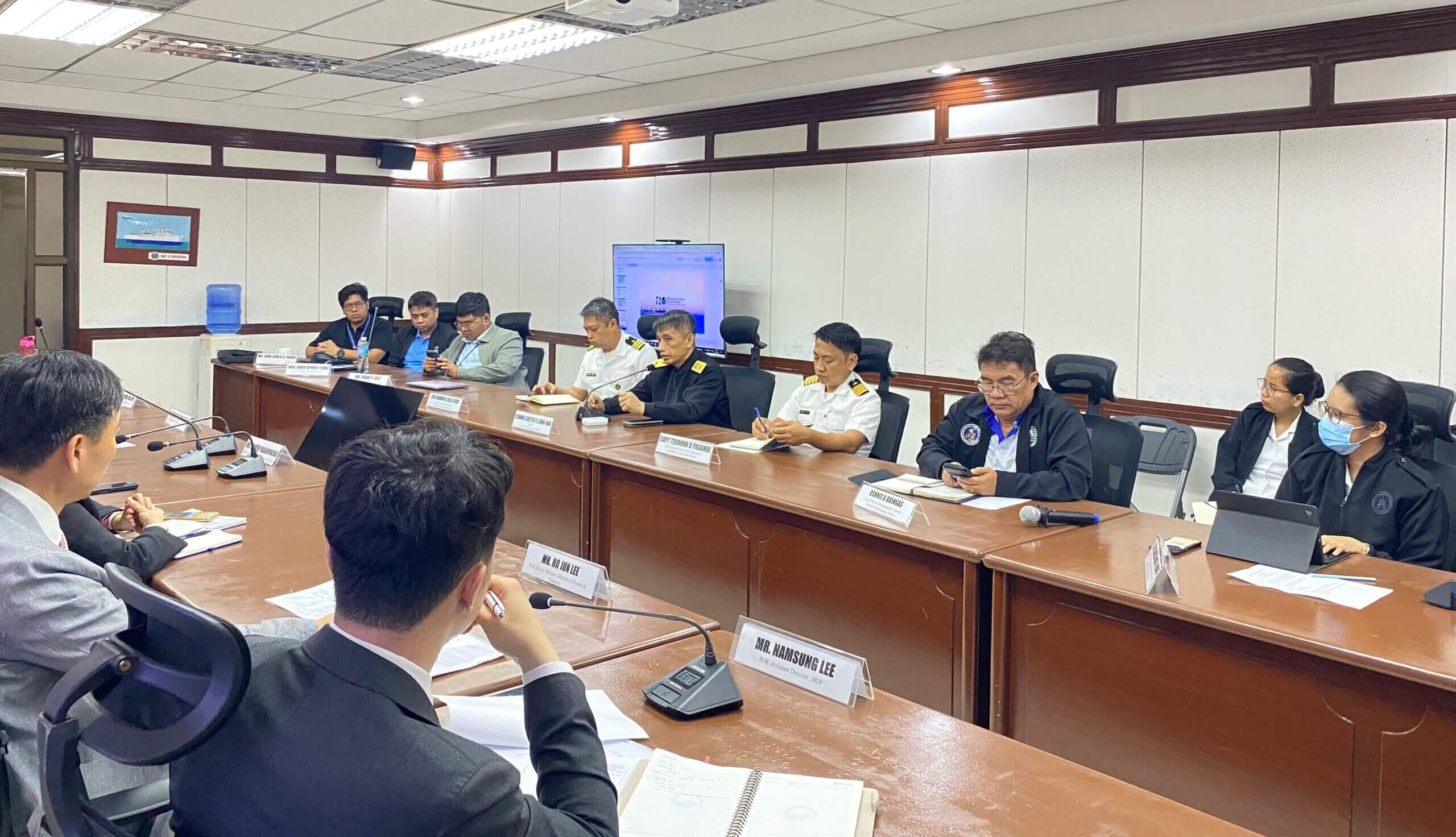
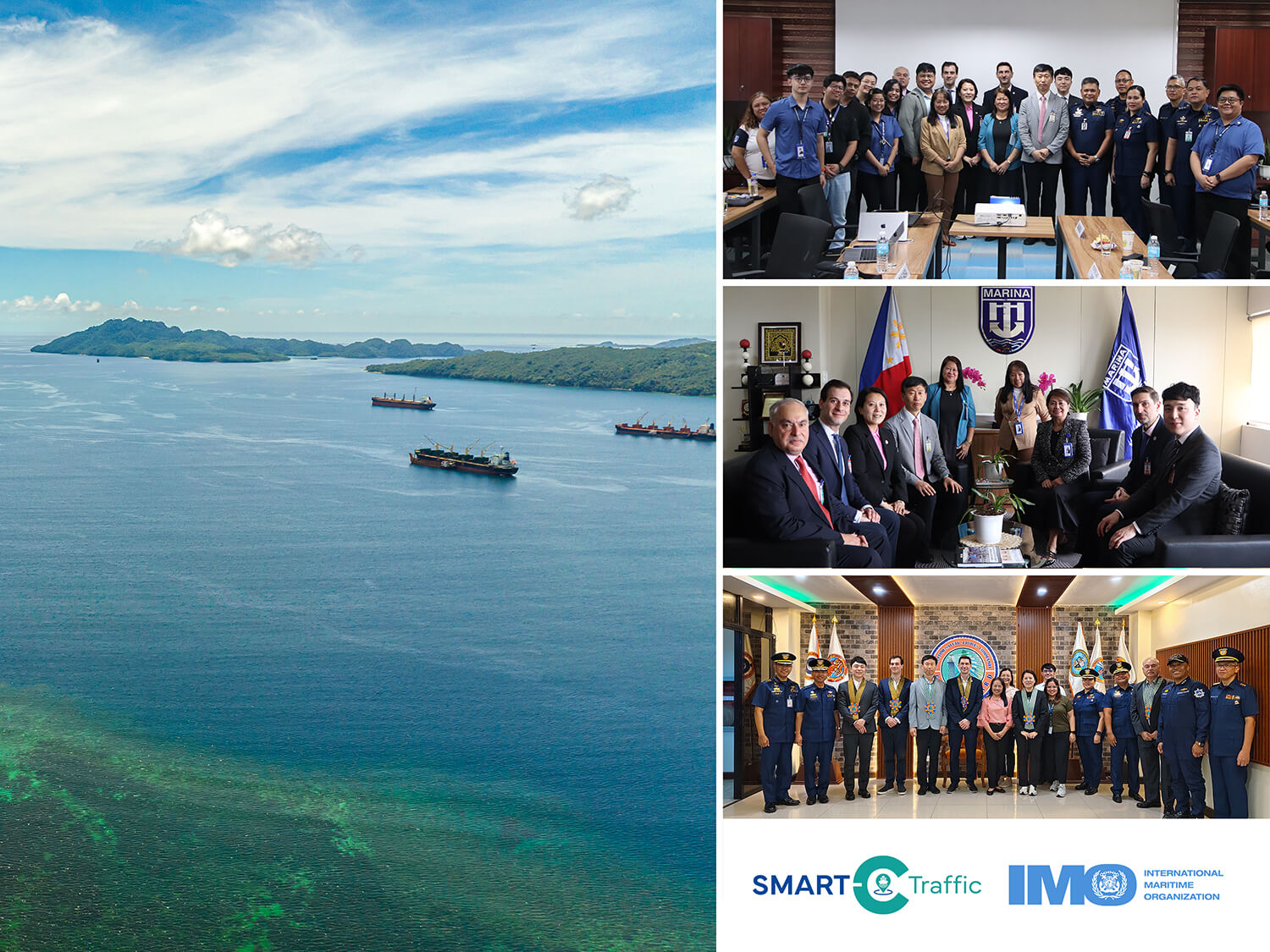
In early April 2025, the IMO-SMART-C Traffic Project team, together with officials from the Republic of Korea’s Ministry of Oceans and Fisheries (MOF) visited the Maritime Industry Authority (MARINA), the National Mapping and Resource Information Authority (NAMRIA), and the Philippine Coast Guard (PCG) as part of an inception mission for the SMART-C Traffic Project.

During the visit, consultations and technical discussions were conducted to gather data and information from the respective authorities to assess the current provision of Maritime Safety Information (MSI), official nautical charts and publications, aids to navigation (AtoN) and Vessel Traffic Services (VTS) in the Philippines.

In Q2 of 2026, IMO will work closely with MARINA and its key stakeholders to review national and institutional frameworks related to maritime digitalisation and digital maritime services in the context of e-navigation to establish end-user requirements and assessment of training needs.

Establishment of a Web-Based e-Navigation Service Platform in the Philippines as a Testbed for the Asia-Pacific Region
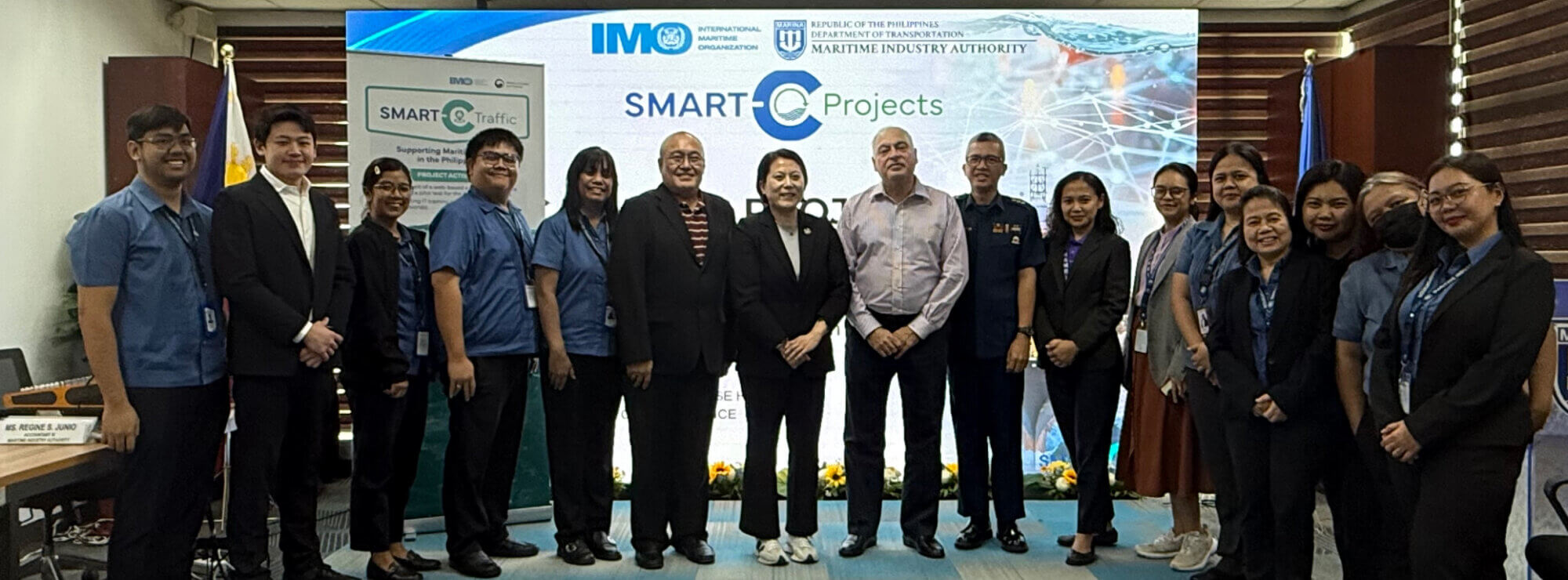
Since the project launch, the International Maritime Organization has successfully partnered with the Maritime Industry Authority of the Philippines, through a first ever IMO Member State Implementing Partnership Agreement, to implement key activities for the development of the web-based e-Navigation service platform.

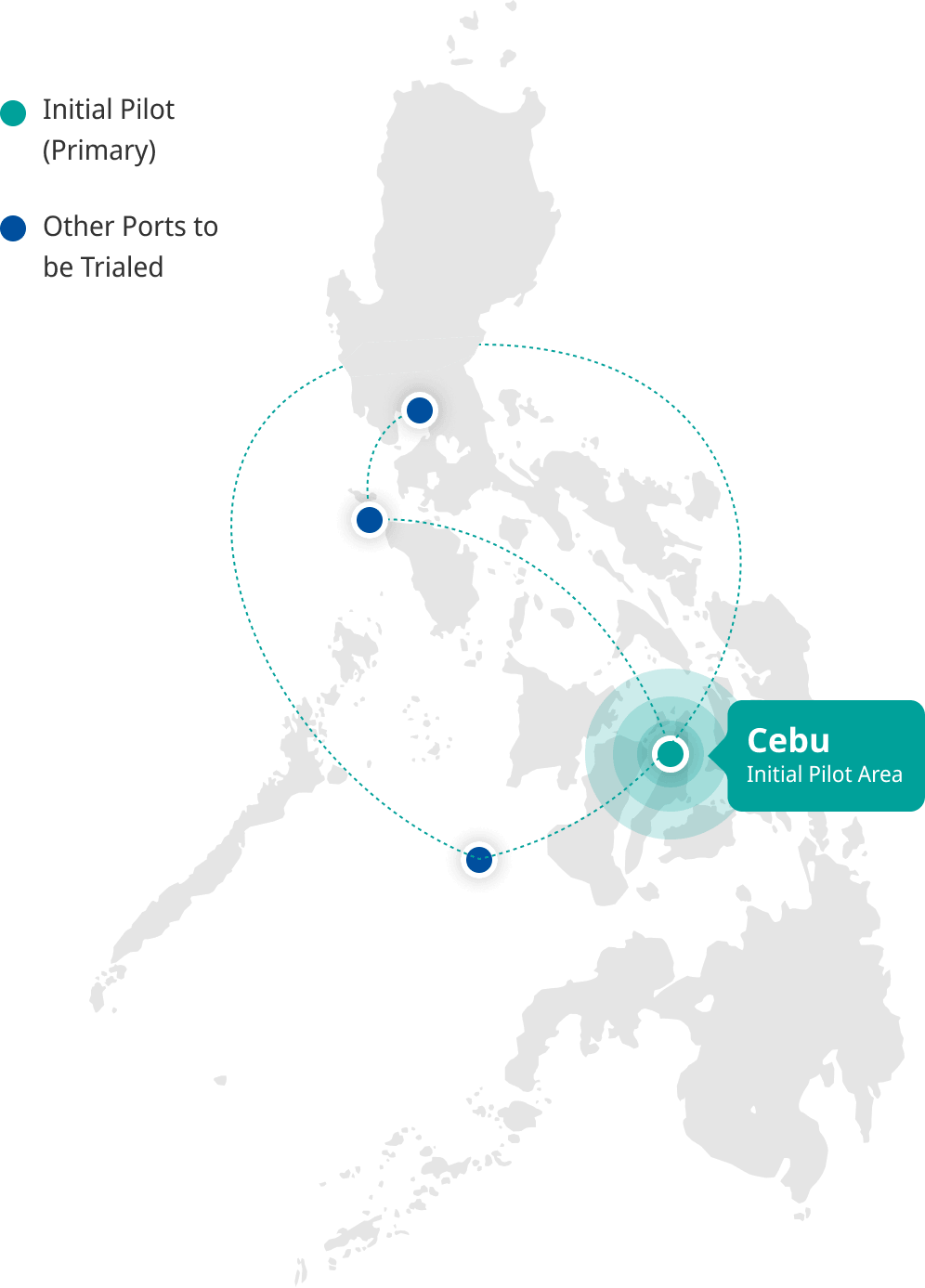
Following an in-person meeting with the officials of the Philippines as part of a Project Kick-off activity and workshop on determining the technical specifications and requirements, the Philippines is set to develop the web-based e-Navigation service platform in a pilot testbed in the Port of Manila.

National Workshop on the Implementation of Corrective Action Plans (CAPs) for IMSAS – Safety of Navigation (Unautu)
Another National Workshop on the Implementation of Corrective Action Plans (CAPs) for IMSAS – Safety of Navigation was conducted in Vanuatu. The workshop focused on operationalizing CAP measures with practical approaches to enhancing navigational safety, communication readiness, and Hydrographic Services, while identifying priority actions for upgrading AtoN systems and improving SAR coordination. Outcomes included strengthened operational capacity, reinforced inter-agency collaboration, and a clear roadmap for CAP implementation. Lessons learned highlighted the need for ongoing training, regular drills, formal communication mechanisms, infrastructure investment, and monitoring procedures, providing a solid foundation for follow-up technical assistance and sustained maritime safety improvements under the SMART-C framework.

IT Competency Education and Training Framework
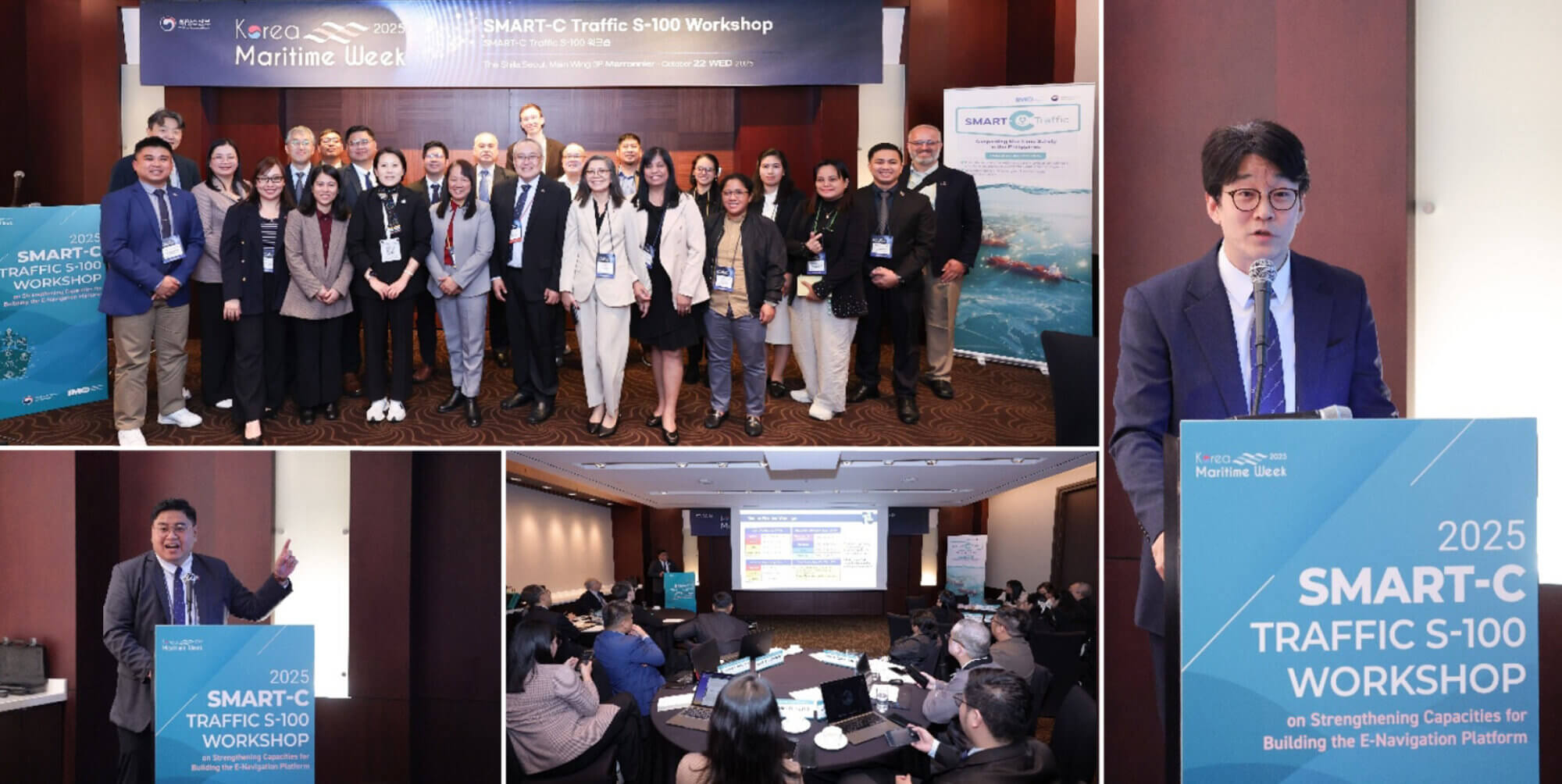
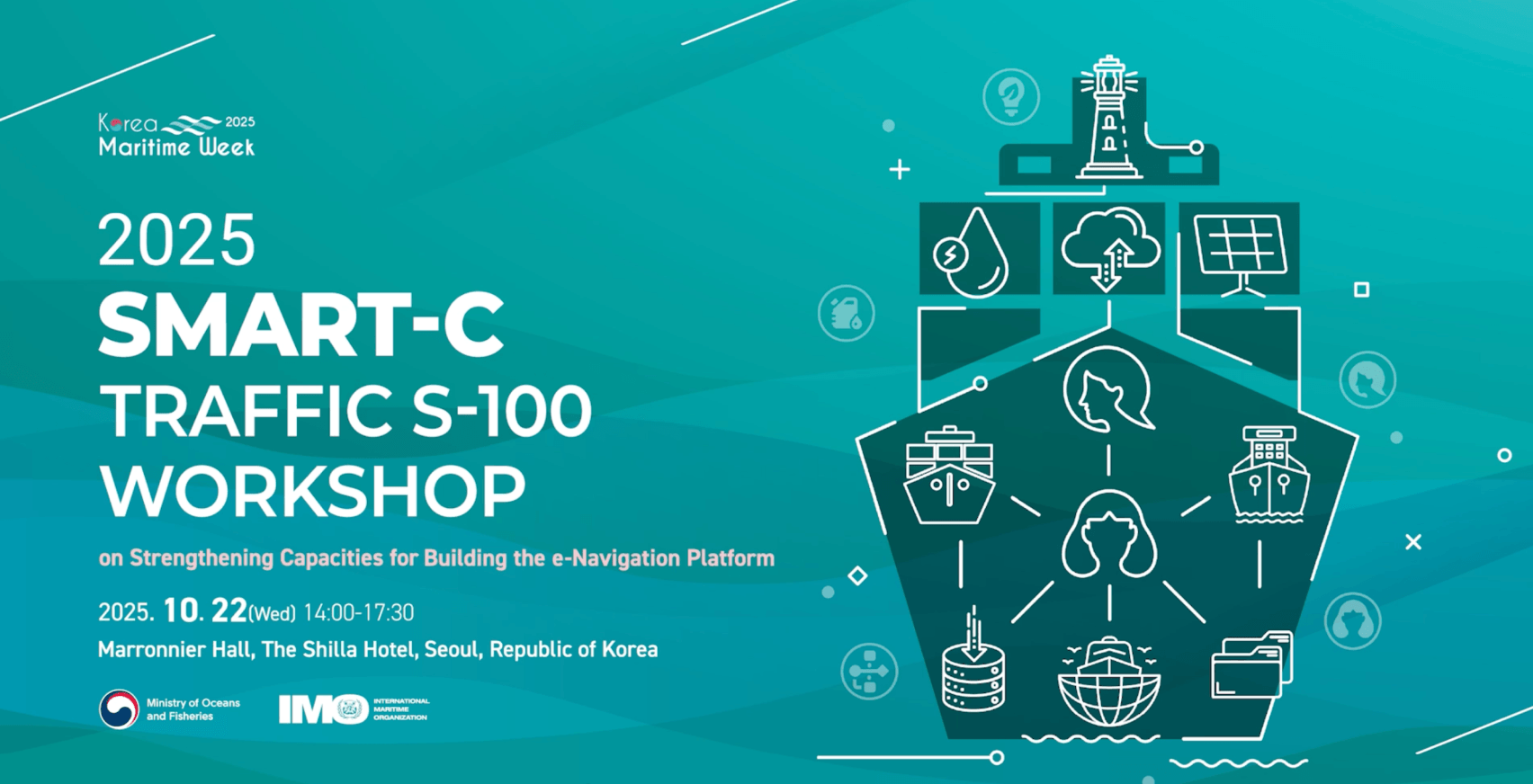
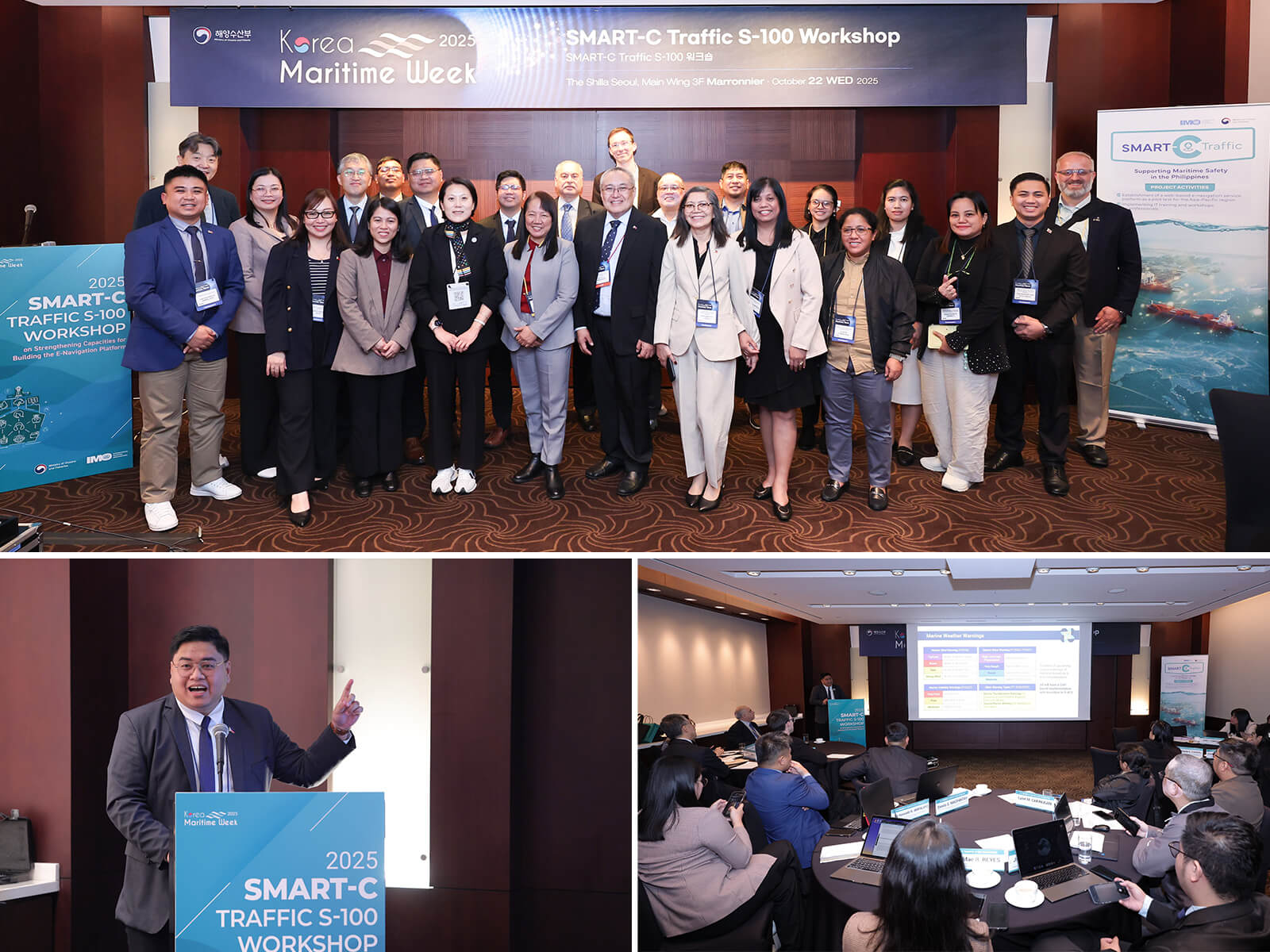
As part of strengthening the readiness of the Philippines to digitalize vessel traffic management system, a SMART-C Traffic 5-100 Workshop was conducted on 22 October 2025, as part of the SMART-C Conferences, involving 16 participants from 5 Philippine Maritime Authorities (MARINA, NAMRIA, PAGASA, PCG, NTC).

Gender Inclusion in the SMART-C Traffic Project
The project advances gender equality primarily by widening opportunities for women to participate in digital maritime operations. Although not designed as a gender-specific initiative, the project creates structured spaces for women to engage in technical processes historically dominated by men.

During 2024-2025, women participated in Aids to Navigation (AtoN) assessments, data-flow mapping, MSV system requirement discussions and AtoN institutional alignment sessions. Their contributions enhanced the inclusiveness of consultations and supported a more diverse institutional perspective on system development. Capacity-building activities across the project have provided women officers with greater access to training on e-navigation tools, digital workflows and operational data procedures. This participation is strengthening women’s competencies in system testing, operations, troubleshooting and decision-making.

In 2026, the system user training will further reinforce women’s technical engagement. Gender-balanced nominations will be requested from the relevant Philippine maritime authorities to ensure equal access to operational skills related to the SMART-Maritime Traffic Management System.

Gender inclusion in the SMART-C Traffic Project

The project advances gender equality primarily by widening opportunities for women to participate in digital maritime operations. Although not designed as a gender-specific initiative, the project creates structured spaces for women to engage in technical processes historically dominated by men.

During 2024-2025, women participated in Aids to Navigation (AtoN) assessments, data-flow mapping, MSV system requirement discussions and AtoN institutional alignment sessions. Their contributions enhanced the inclusiveness of consultations and supported a more diverse institutional perspective on system development.

Capacity-building activities across the project have provided women officers with greater access to training on e-navigation tools, digital workflows and operational data procedures. This participation is strengthening women’s competencies in system testing, operations, troubleshooting and decision-making.

In 2026, the system user training will further reinforce women’s technical engagement. Gender-balanced nominations will be requested from the relevant Philippine maritime authorities to ensure equal access to operational skills related to the SMART-Maritime Traffic Management System.