
Enhancing maritime leadership, governance, institutional frameworks and the development of CAPS through Capacity-Building for Implementation of IMO conventions and Professional Training for International Maritime Leaders.

Overview

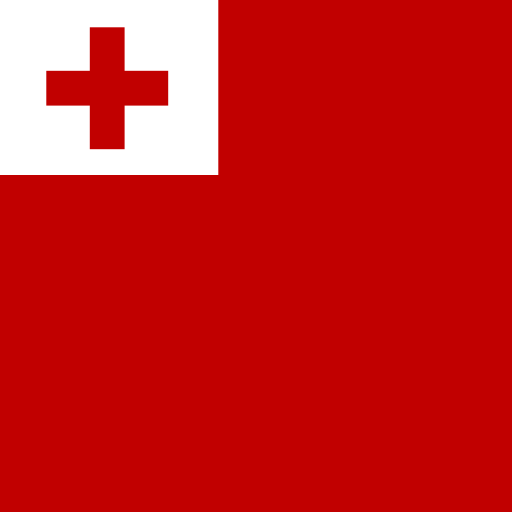
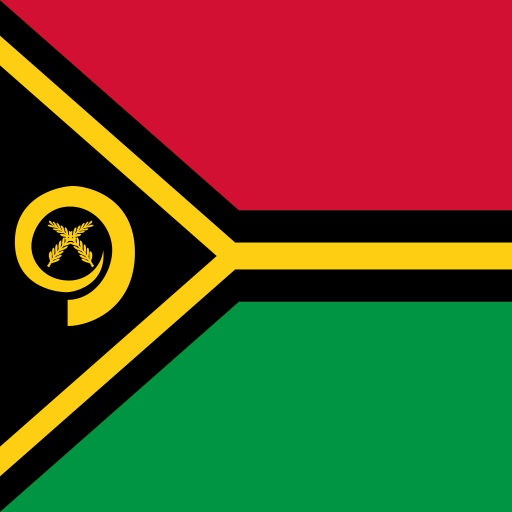
The SMART-C Leaders Project, implemented by the International Maritime Organization (IMO), is a five-year capacity-building initiative (2023–2028) designed to strengthen the ability of Pacific Small Island Developing States (SIDS) to effectively implement and enforce IMO conventions. The project focuses on improving Port State Control (PSC) and Flag State Implementation (FSI), supporting the execution of corrective action plans under the IMO Member State Audit Scheme (IMSAS), and enhancing professional training for maritime officials. It also establishes a dedicated online knowledge-sharing platform and delivers targeted training programmes, with Tonga and Vanuatu serving as Lead Pilot Countries, funded by the Republic of Korea.

Goal and Objectives

The SMART-C Leaders Project strengthens the capacity of Pacific Small Island Developing States (SIDS) to implement and enforce IMO conventions. It enhances Port State Control (PSC) and Flag State Implementation (FSI), supports corrective action plans under the IMO Member State Audit Scheme (IMSAS), and provides tailored training and an online knowledge-sharing platform for maritime officials. By engaging stakeholders, promoting regional collaboration, and ensuring gender-balanced participation, the project fosters sustainable, data-informed practices and builds long-term institutional and professional capacity in the Pacific region.

The Issue

Despite the adoption of numerous international maritime conventions by the International Maritime Organization (IMO), many developing countries, particularly Pacific Small Island Developing States (SIDS), lack the technical, institutional, and human capacity to effectively implement and enforce these instruments. Weak Port State Control (PSC) and Flag State Implementation (FSI), along with limited ability to carry out corrective action plans following audits under the IMO Member State Audit Scheme (IMSAS), hinder full compliance. Inadequate training systems, limited access to updated knowledge on frequently amended conventions, and resource constraints further contribute to ongoing maritime safety, security, and marine environmental challenges.

Project Coordination Unit

Yingming Wang

Project Manager

Gian Piero Milani

Project Assistant

Mabel Etape

Junior Professional Officer

Key Outcome

1 Improvement of the country’s capacity in implementation of IMO conventions and regulations regarding ship inspection/PSC/FSI.

  • Improvement of legal framework
  • Improvement of administrative structure
  • Training for PSCOs/FSIOs/government officials who are involved in IMO meetings

2 The establishment and distribution of the online platforms for the IMO conventions

  • The establishment of an online knowledge sharing platform for real time information update on the IMO conventions
  • Field visit/onsite training

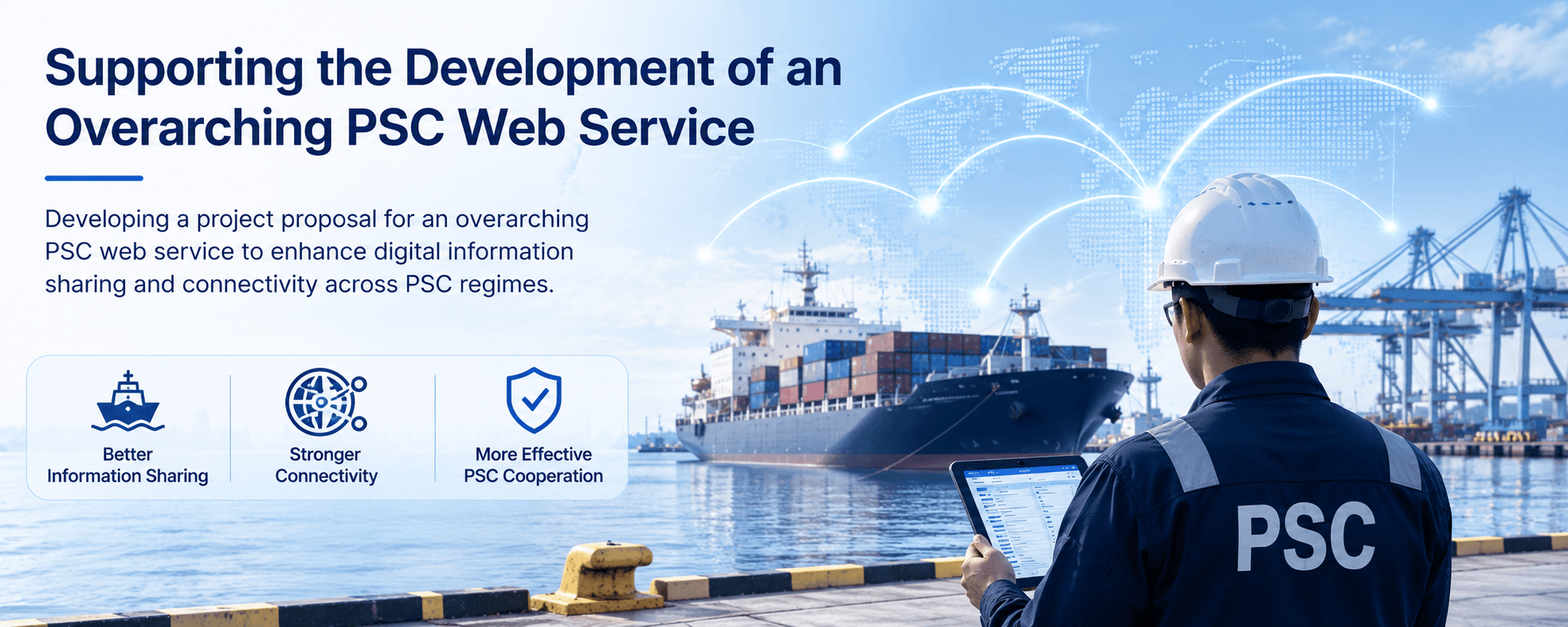
3 Development of project proposal for the overarching webservice to enhance the role of port State control

  • Identification of the status of current IT infrastructure and scope of data.
  • Development of a concept for the overarching web service in close cooperation with PSC regimes
  • Implementation of feasible quick solutions for data linkages to improve support to PSC regimes

4 Professional training programmes for the international maritime leaders

  • The establishment of the training programmes for strengthening the capacity to implement the IMO conventions

5 Assistance in the implementation of the corrective action plan (CAP) for IMSAS

  • Identification of the status of the implementation of the CAP
  • Assistance provided for the implementation of the CAP

2025-Project Activities

Evaluation of the Status of the Implementation IMSAS Corrective Action Plan: In February, a structured legal and administrative needs analysis was conducted to examined gaps in legislation and institutional frameworks for implementing mandatory IMO instruments. This was aimed at identifying priorities for legislative updates, clearer mandates, and the strengthening of governance frameworks, institutional coordination mechanisms, and regulatory oversight functions.

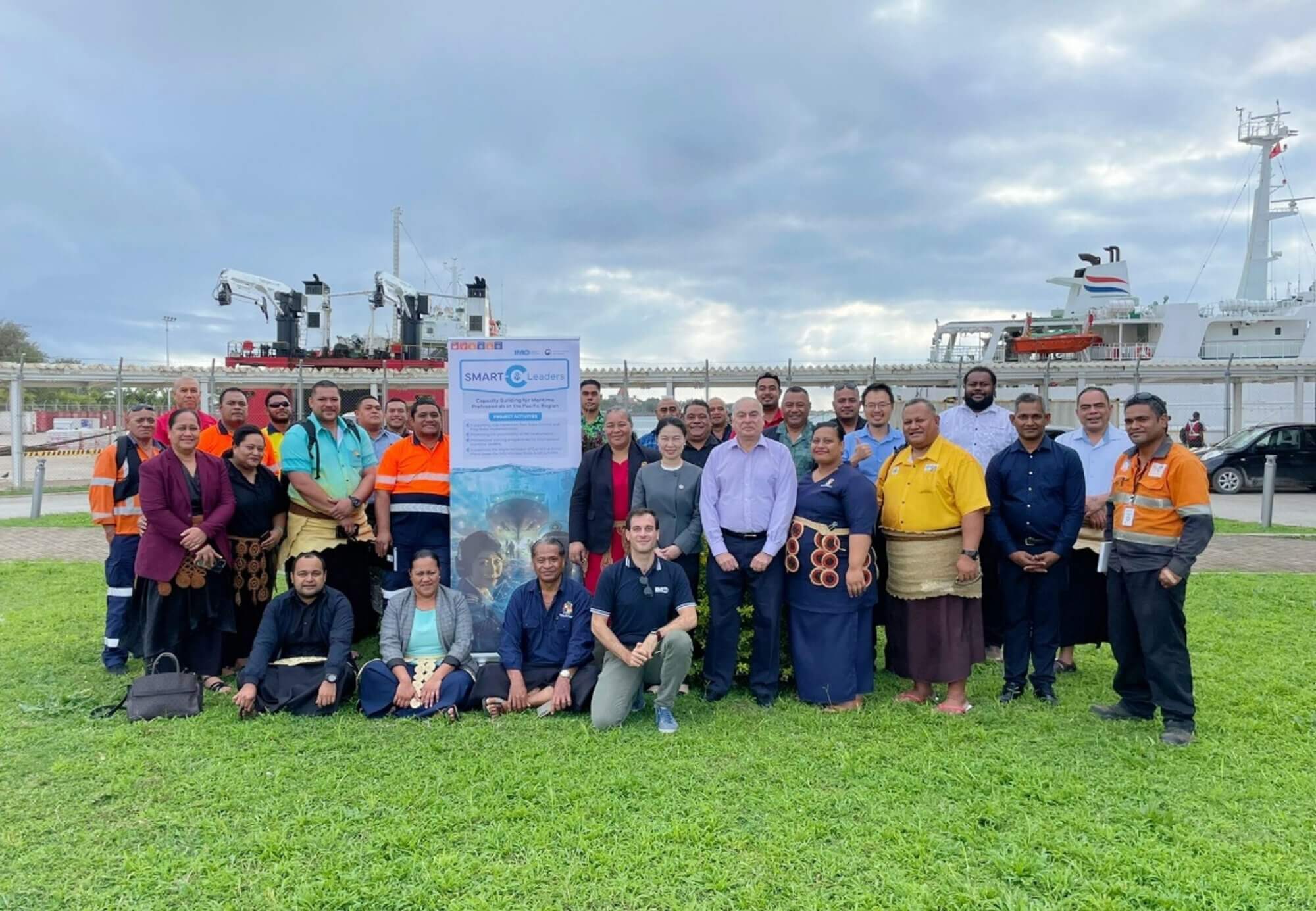
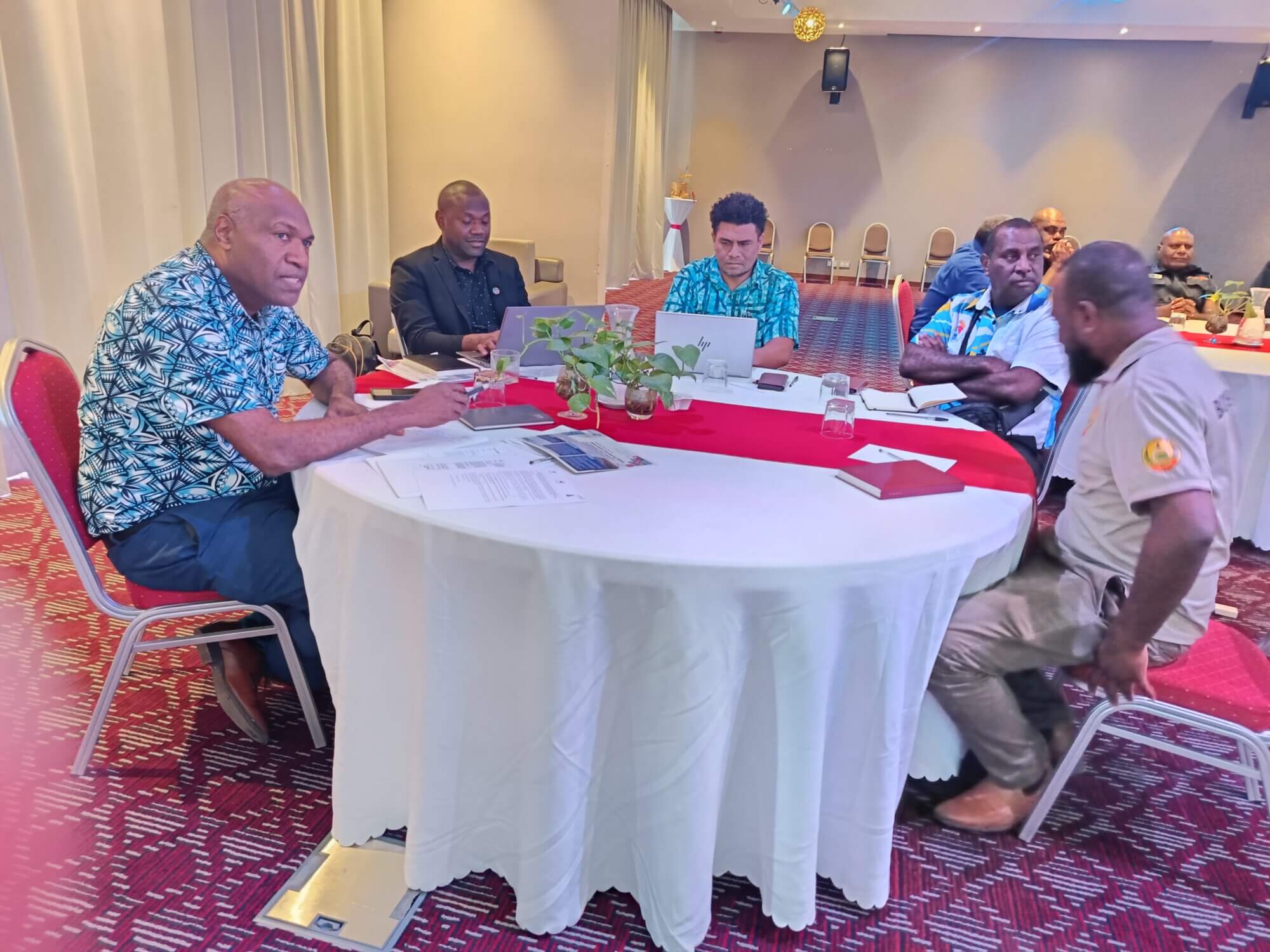
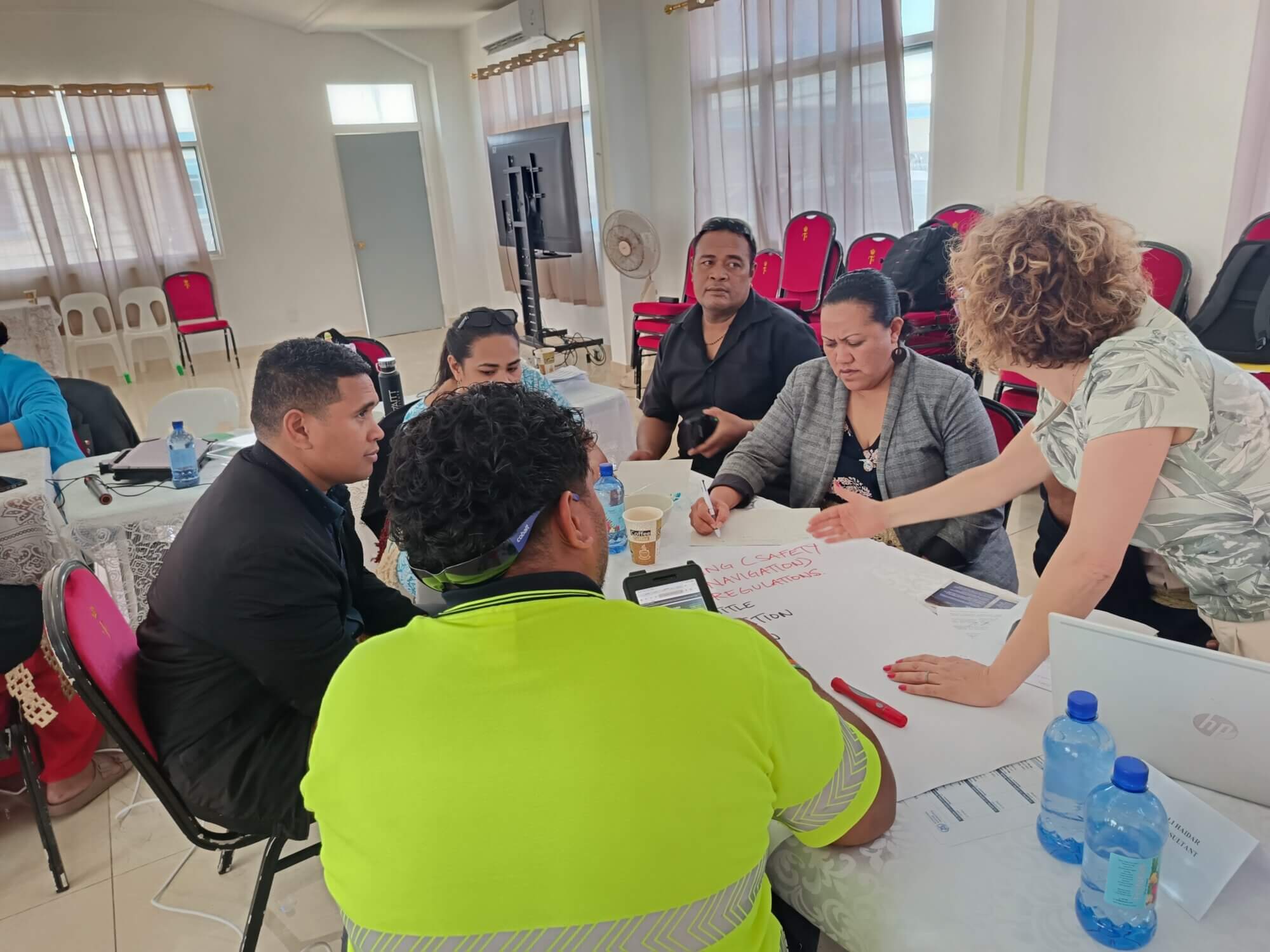
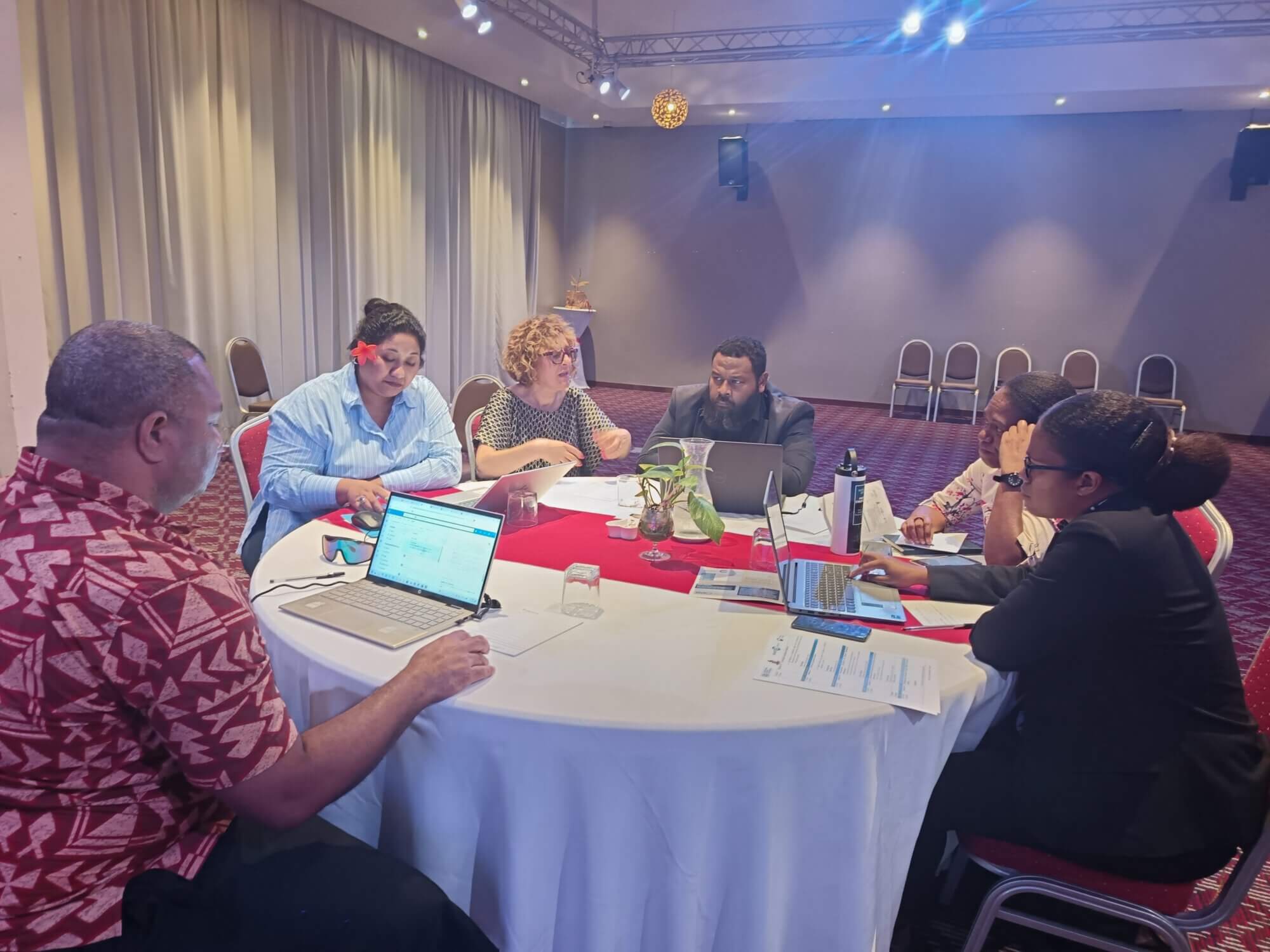
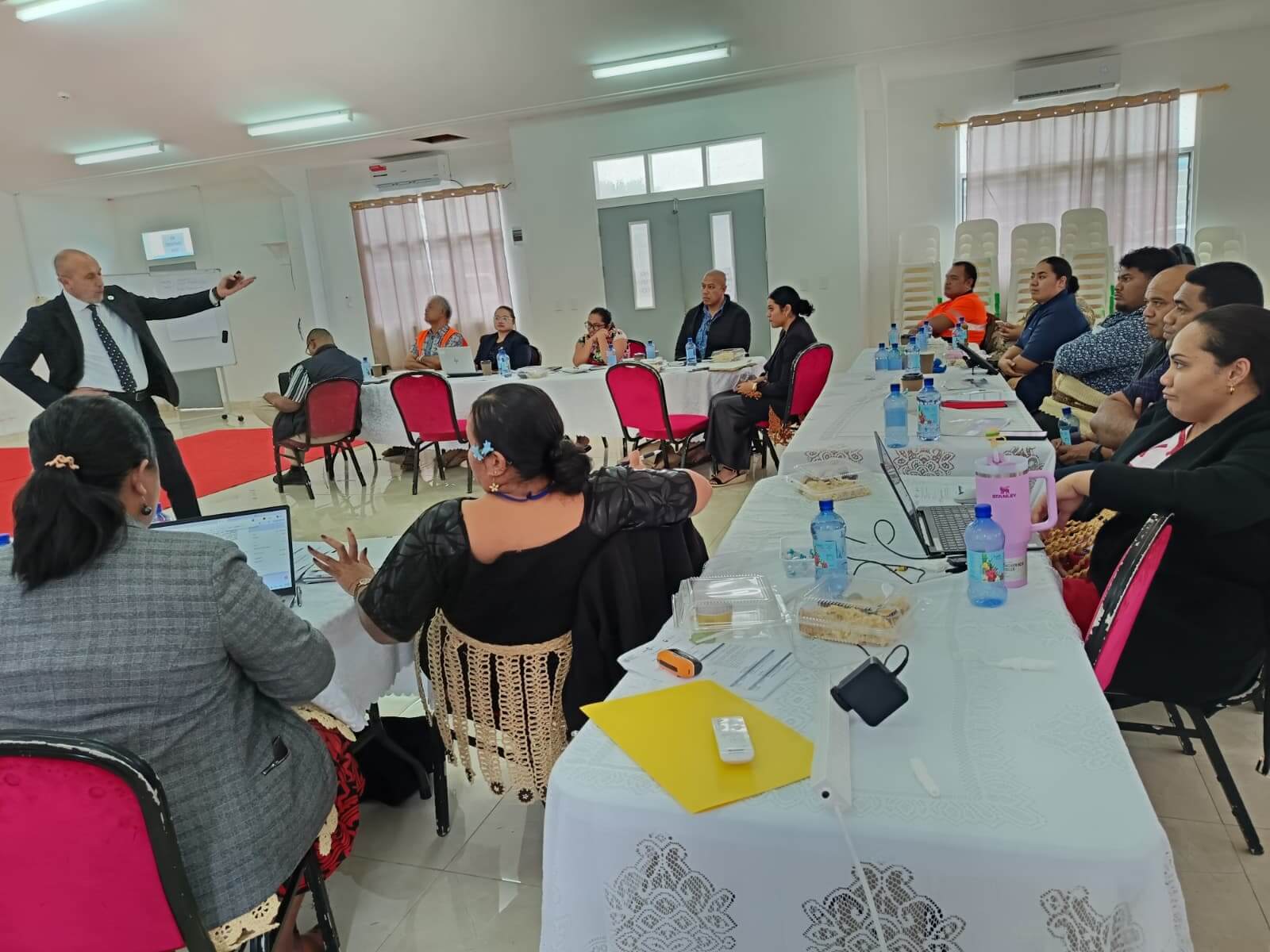
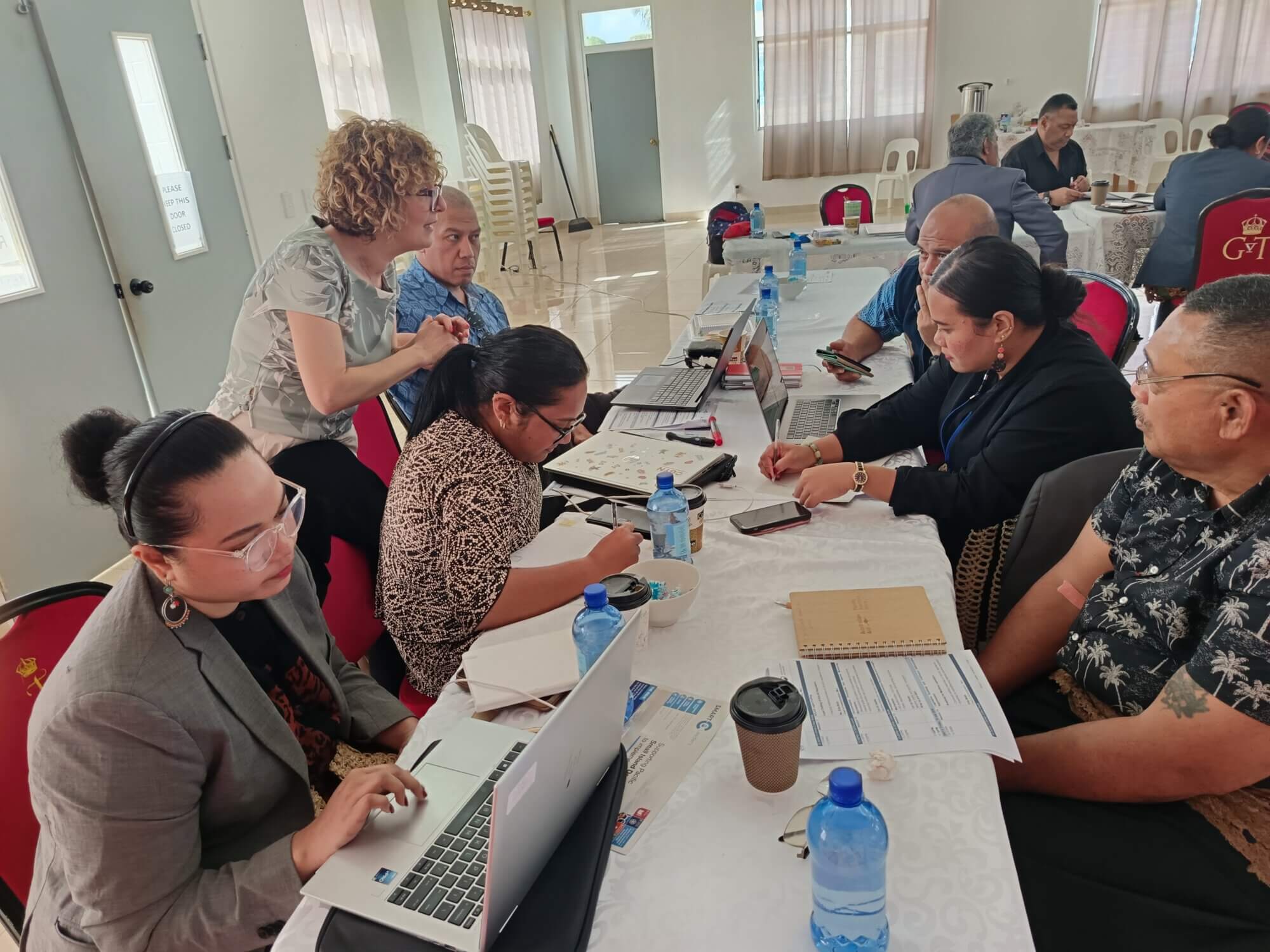
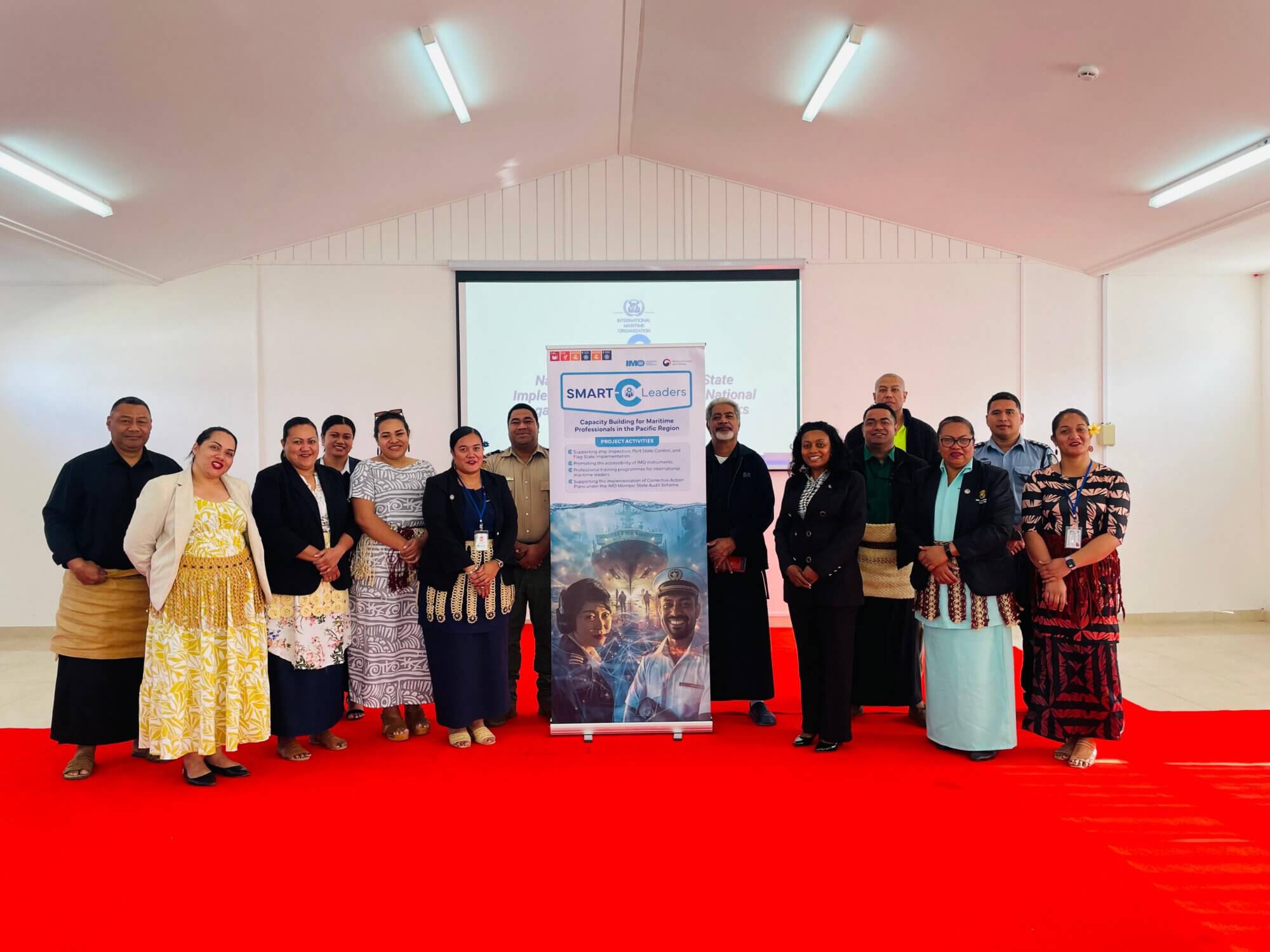
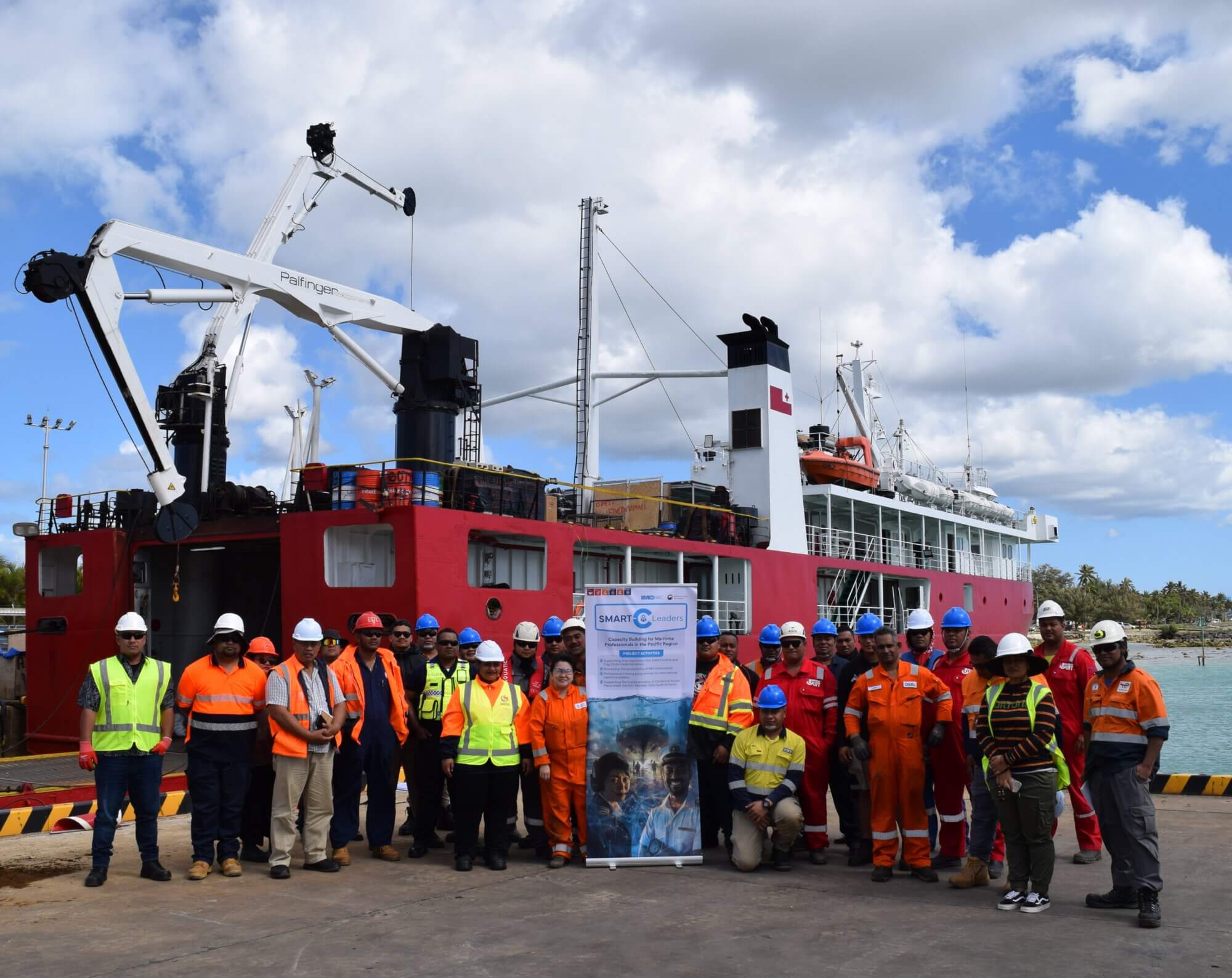
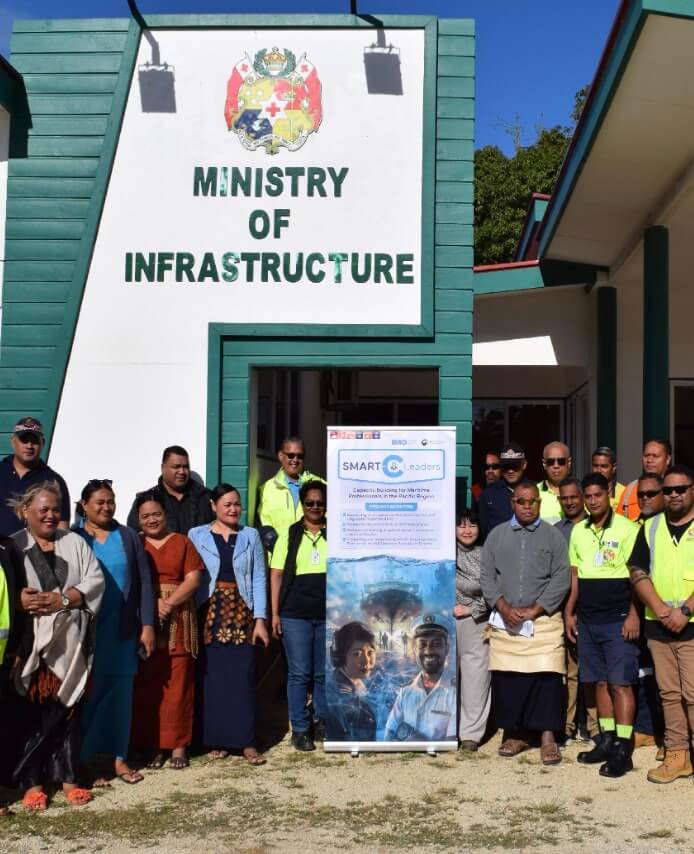
National Workshop on the Implementation of Corrective Action Plans (CAPs) for IMSAS — Safety of Navigation (Tonga): In July 2025, under the SMART-C Leaders Project, a National Workshop on the Implementation of Corrective Action Plans (CAPs) for IMSAS — Safety of Navigation was conducted in Tonga to strengthen national capacities in Aids to Navigation (AtoN), Hydrographic Services, Search and Rescue (SAR), and Radiocommunication. The workshop reviewed the national CAP implementation status, provided technical sessions on marking and maintaining navigational aids, and discussed procedures for Hydrographic Services, vessel traffic monitoring, SAR coordination, and radiocommunication protocols. Interactive discussions allowed participants to identify gaps and define priority actions, resulting in enhanced stakeholder awareness of CAP requirements, improved inter-agency coordination, and actionable recommendations integrated into national planning for safer navigation and compliance with IMO standards.

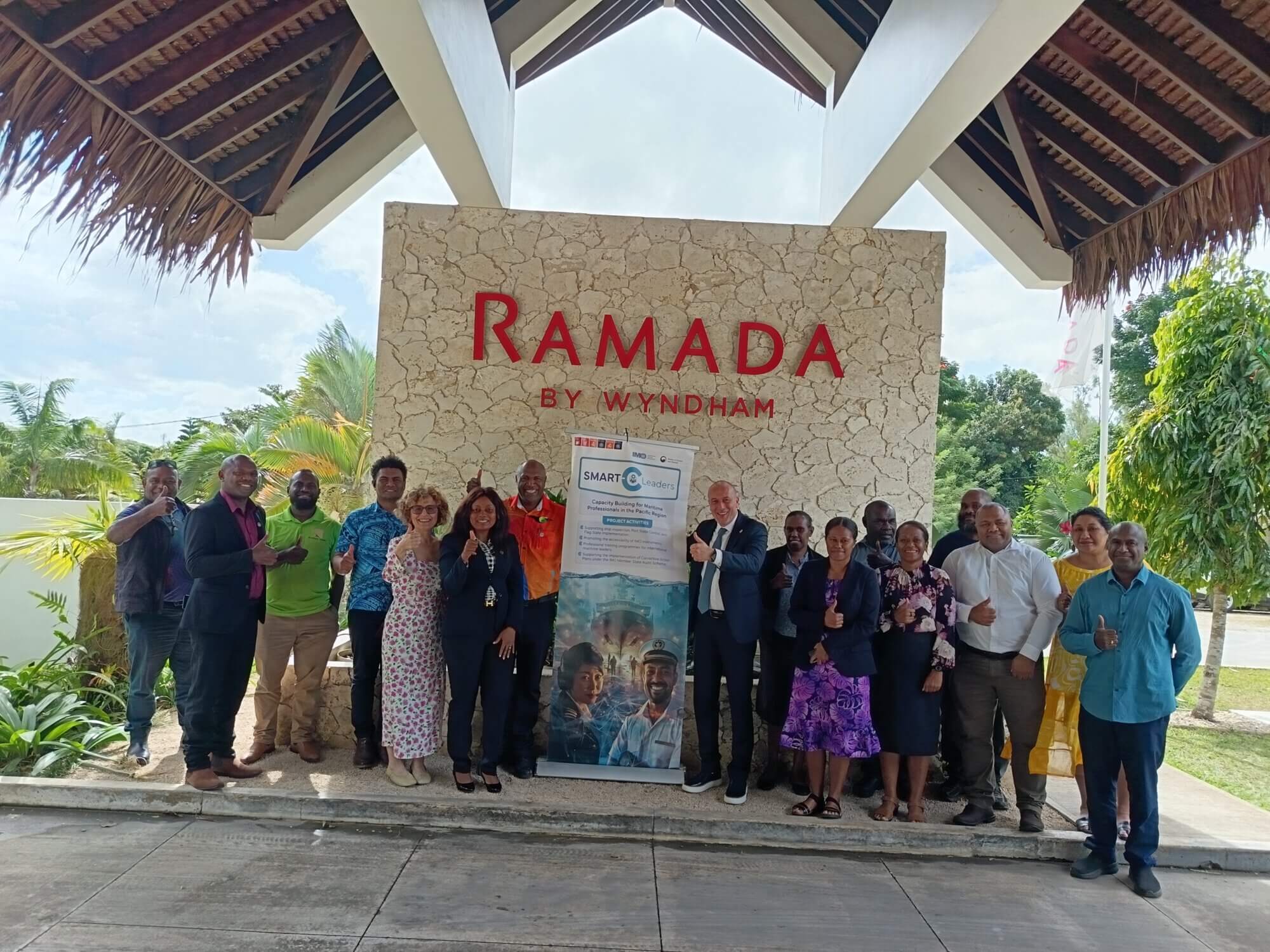
National Workshop on the Implementation of Corrective Action Plans (CAPs) for IMSAS — Safety of Navigation (Vanuatu): Another National Workshop on the Implementation of Corrective Action Plans (CAPs) for IMSAS — Safety of Navigation was conducted in Vanuatu. The workshop focused on operationalizing CAP measures with practical approaches to enhancing navigational safety, communication readiness, and Hydrographic Services, while identifying priority actions for upgrading AtoN systems and improving SAR coordination. Outcomes included strengthened operational capacity, reinforced inter-agency collaboration, and a clear roadmap for CAP implementation. Lessons learned highlighted the need for ongoing training, regular drills, formal communication mechanisms, infrastructure investment, and monitoring procedures, providing a solid foundation for follow-up technical assistance and sustained maritime safety improvements under the SMART-C framework.

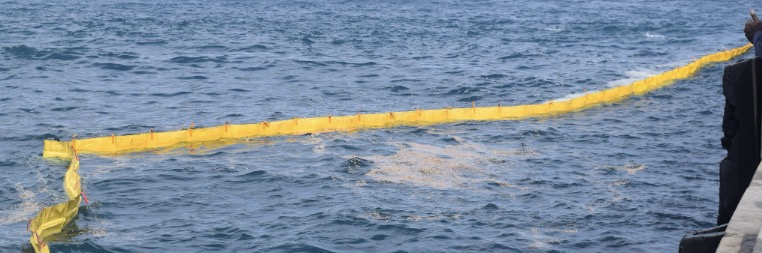
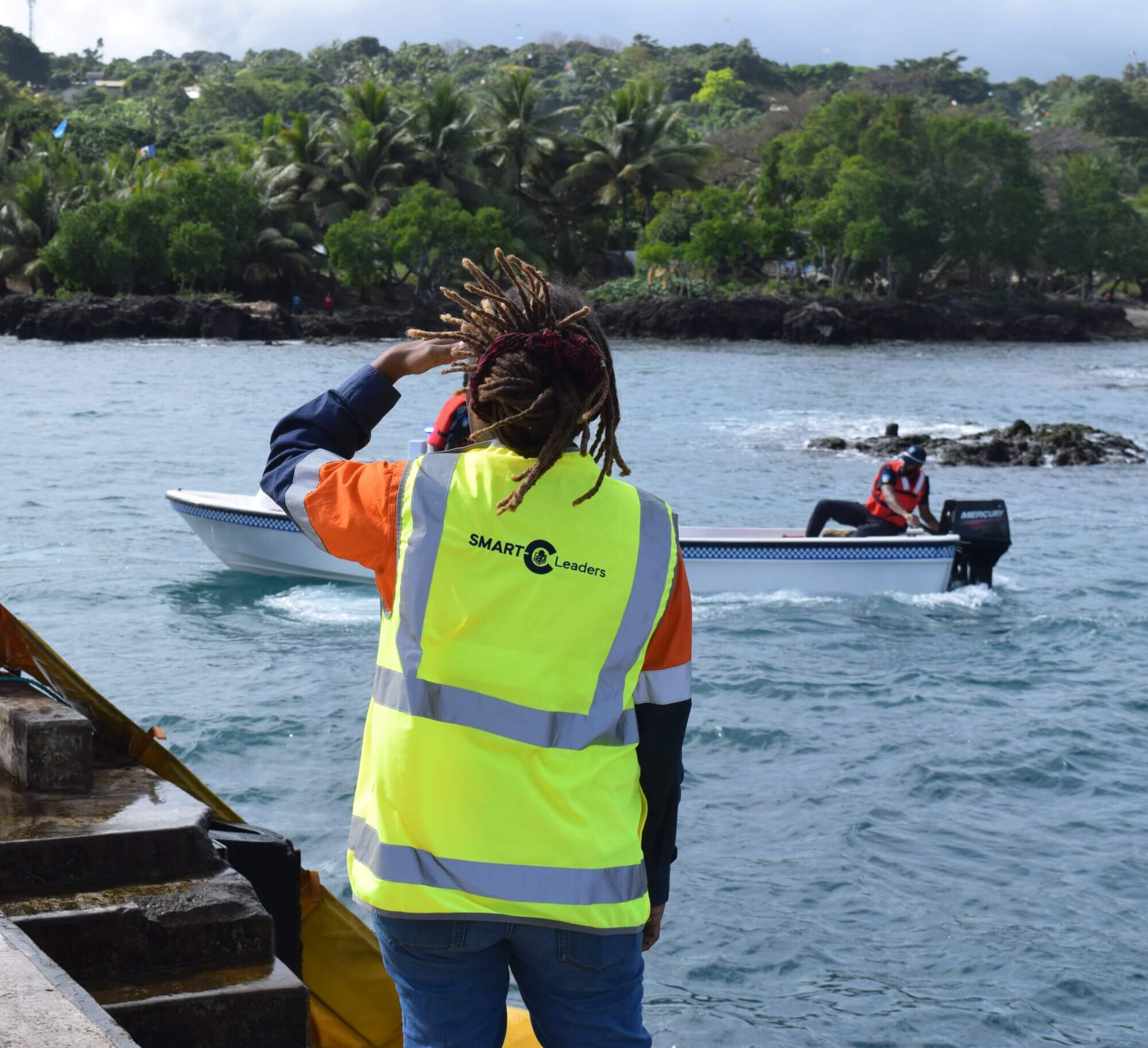
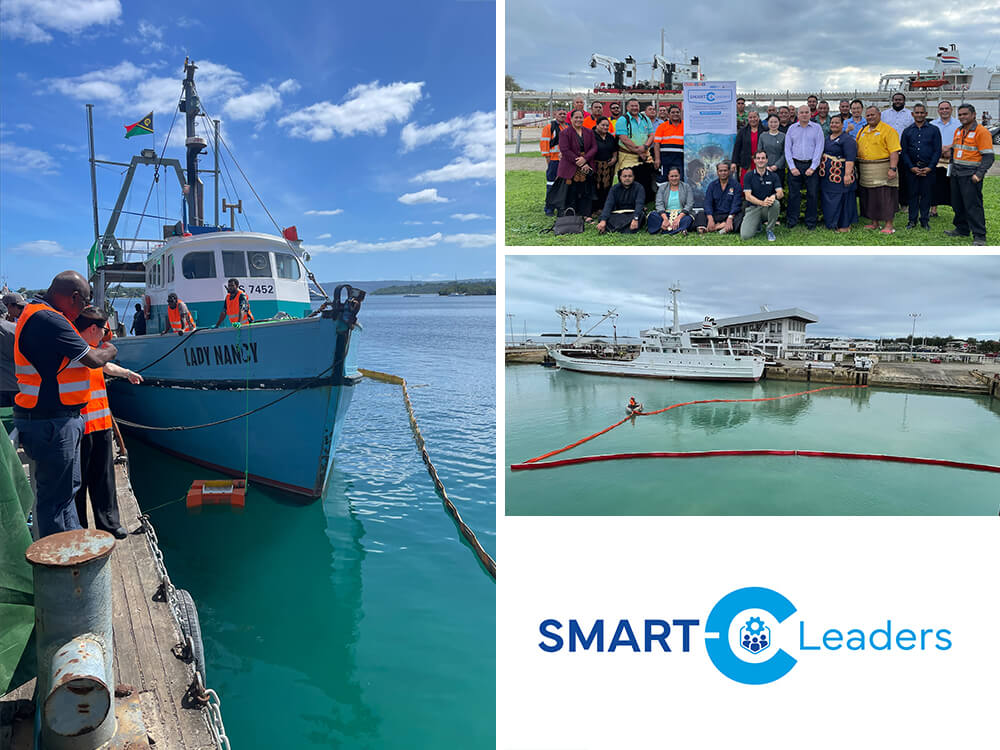
National Workshop on Marine Pollution Preparedness and Response (Vanuatu): In July, a national workshop on Marine Pollution Preparedness and Response in Vanuatu, under the SMART-C Leaders initiative, strengthened oil spill governance and addressed IMSAS audit findings. The workshop reviewed the National Marine Pollution Contingency Plan, identified legislative gaps, clarified institutional mandates, and set priority actions with a structured timeline. Tabletop exercises and live equipment drills improved understanding of ICS/PacIMS incident management, inter-agency coordination, and Tier 1 equipment readiness. Key recommendations included a national training and exercise program, improved dispersant and shoreline response governance, and enhanced monitoring and reporting—bolstering Vanuatu’s IMO compliance and long-term marine pollution preparedness.

National Workshop on Marine Pollution Preparedness and Response (Tonga): In July 2025, another National Workshop on Marine Pollution Preparedness and Response strengthened oil spill governance and response by updating the National Marine Pollution Contingency Plan, formalizing the National Marine Pollution Committee, aligning incident management with ICS, and integrating NEBA was held in Tonga. Exercises and live equipment drills in Tongatapu and Vava’u improved inter-agency coordination, Tier 1 readiness, and Incident Management System familiarity. Agreed priorities included structured training, clarified dispersant and in-situ burning authorizations, shoreline assessment inclusion, and enhanced documentation and sampling—reinforcing Tonga’s IMO compliance and long-term marine pollution response capability.

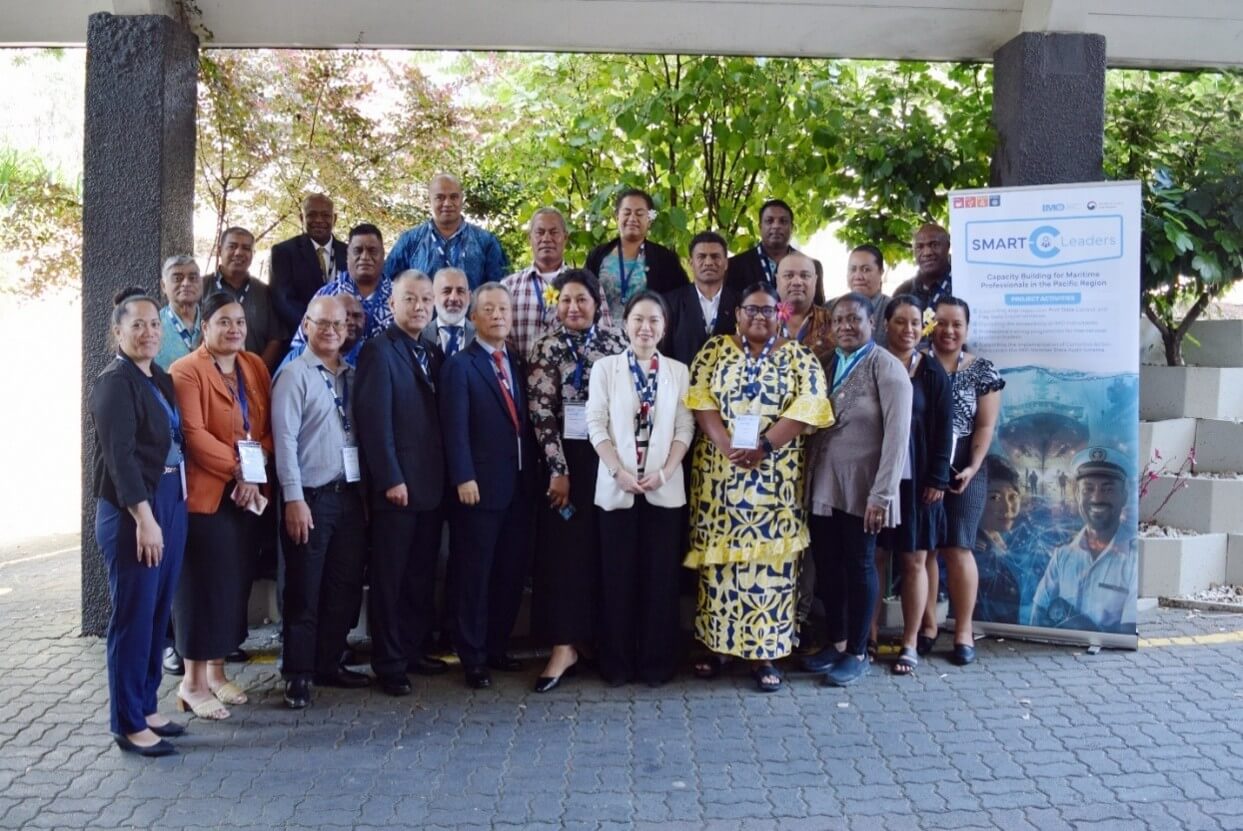
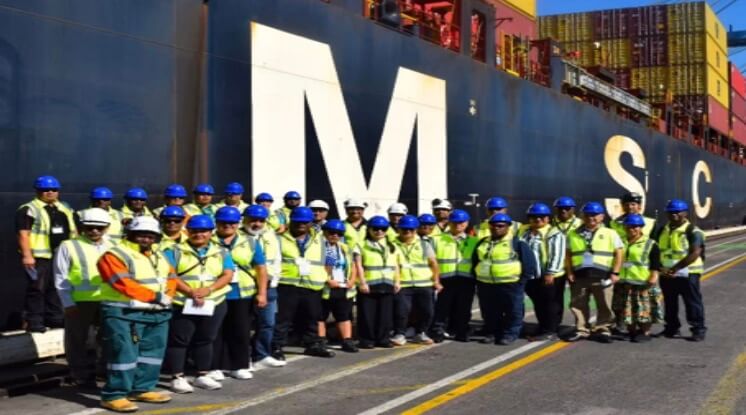
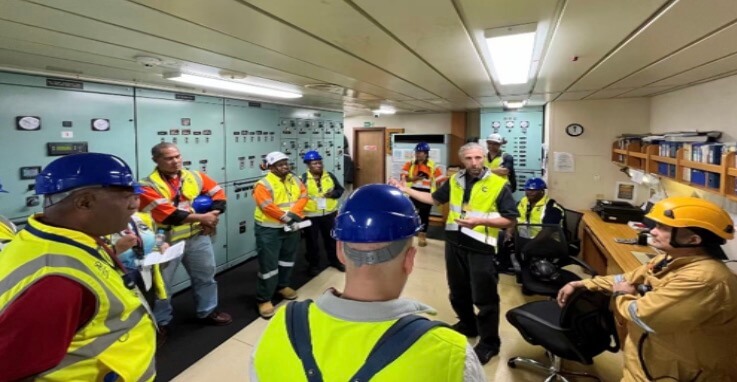
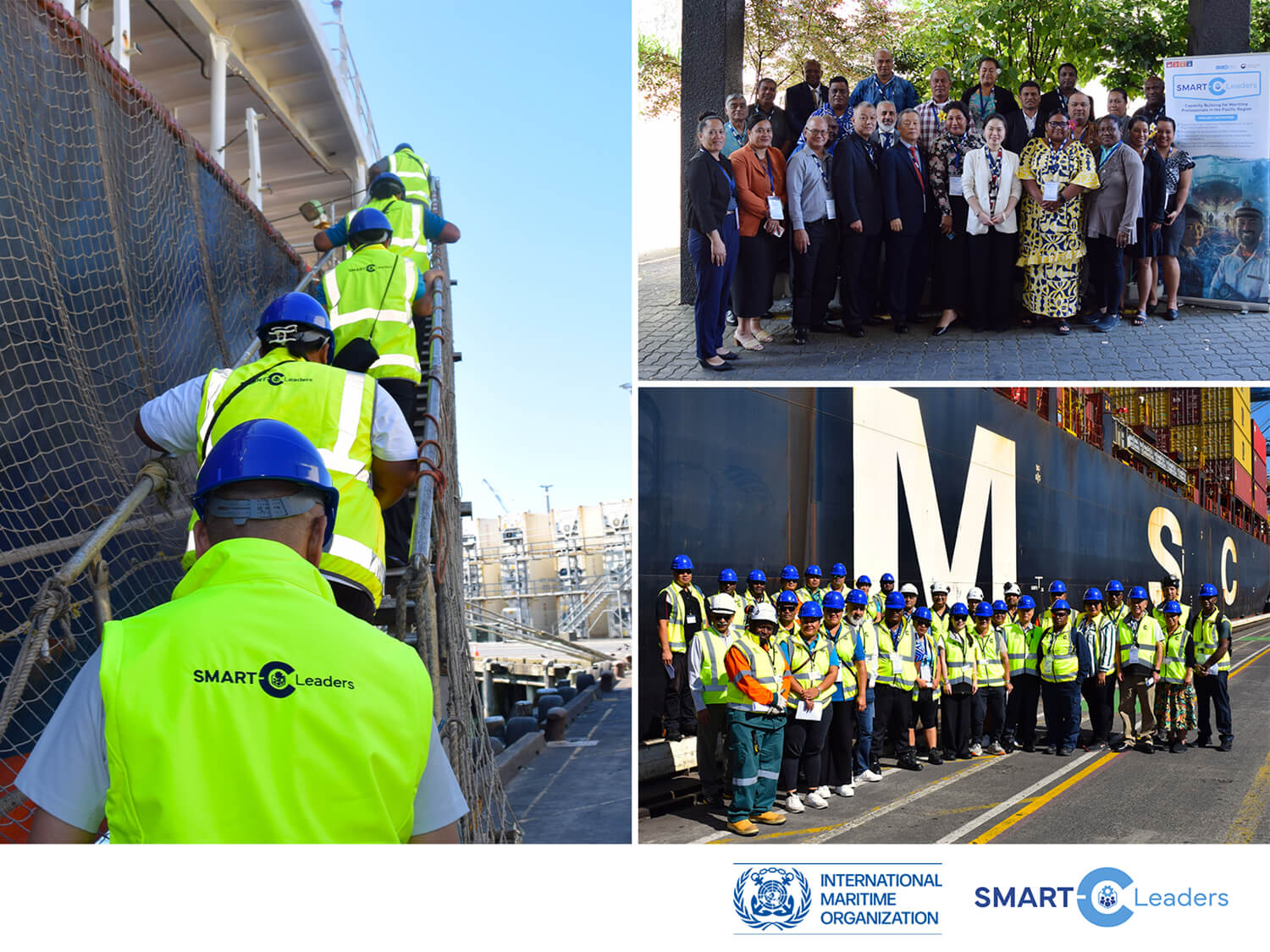
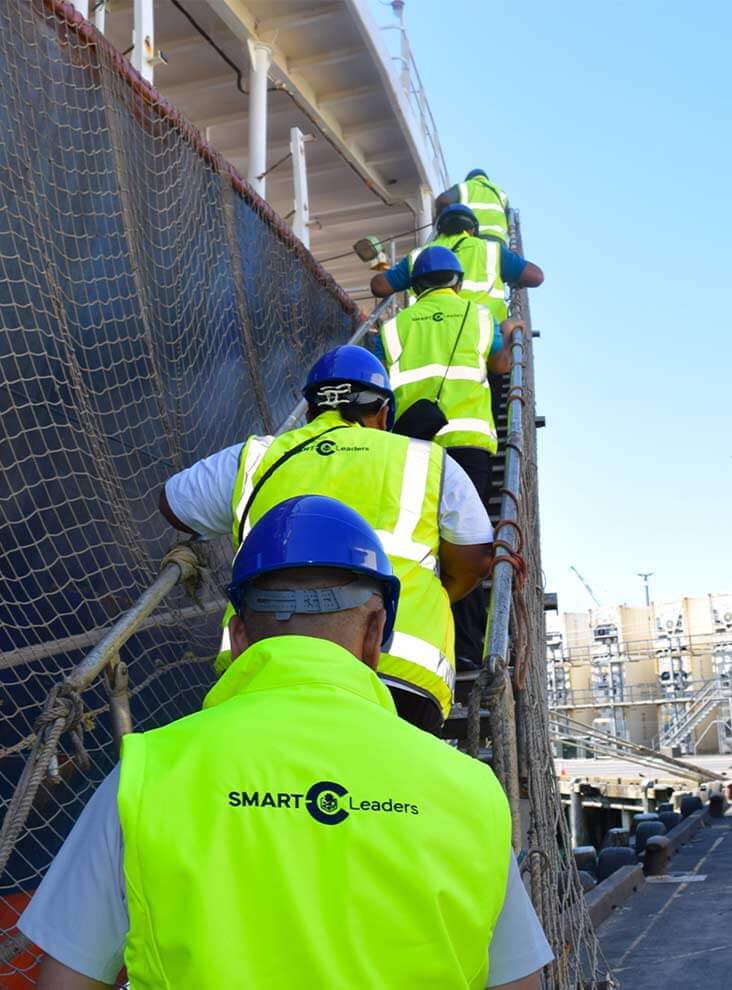
Regional Workshop on Port State Control (PSC): From 8–10 December 2025, under the SMART-C Leaders Project and in collaboration with the United Nations ESCAP and Maritime New Zealand, a regional workshop on Port State Control (PSC) in Auckland strengthened implementation capacity across Pacific SIDS. The workshop addressed institutional and legal gaps, supported IMSAS audit follow-up, and improved understanding of PSC governance, inspection procedures, and regional coordination. Hands-on shipboard training at the Port of Auckland enhanced inspectors’ technical competence, standardized procedures, and confidence in applying international conventions. The workshop also fostered regional collaboration and identified pathways for ongoing SMART-C support, reinforcing compliance, enforcement, and maritime safety oversight across the Pacific.

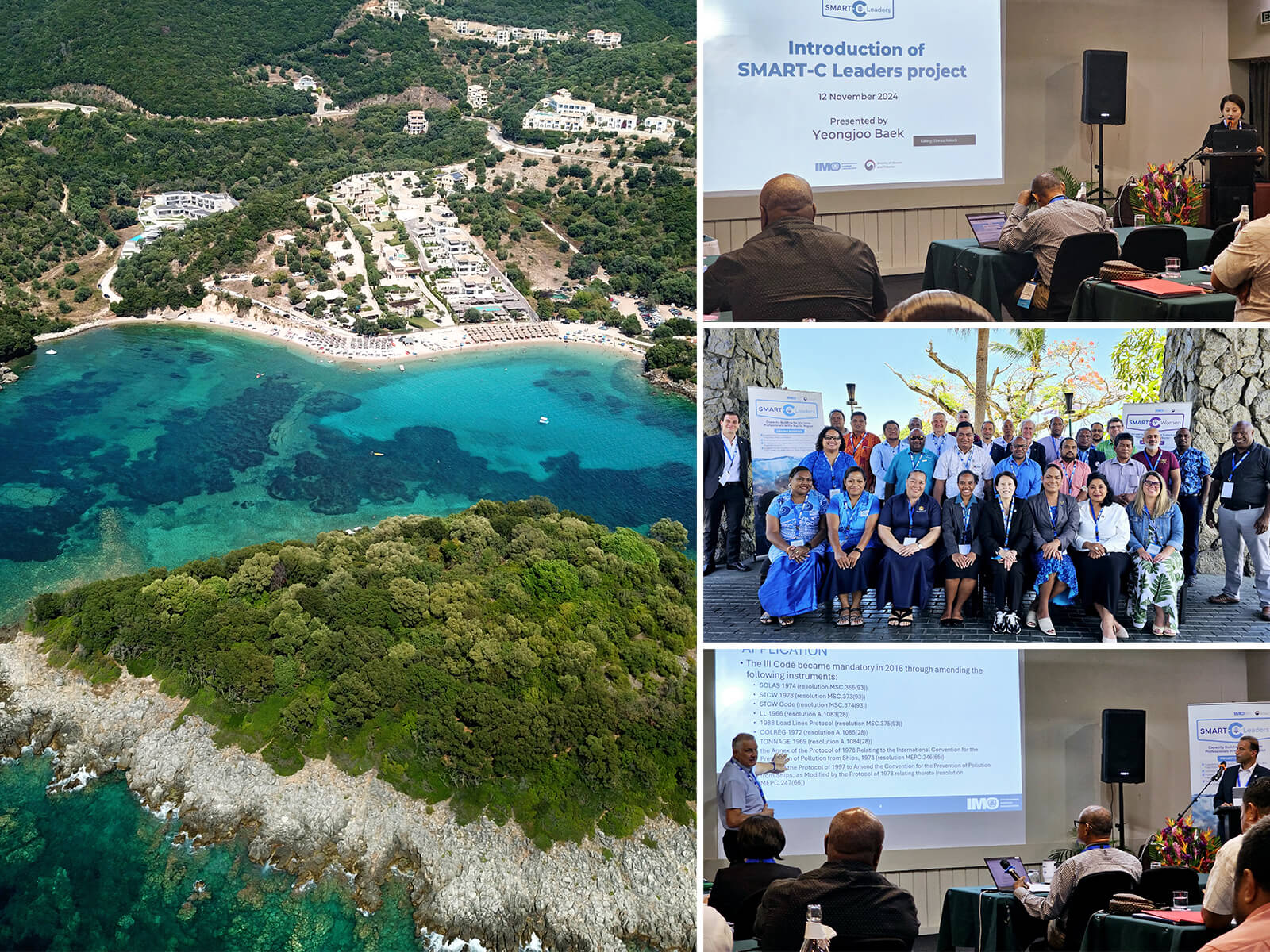
Sub-regional Workshop on IMSAS CAP Implementation: Following the regional workshop, Tonga and Vanuatu, two lead partnering countries of the SMART-C Leaders Project, took part in a follow-up workshop on the implementation of the IMSAS Corrective Action Plan (CAP) from 11–14 December in Auckland.

Sub-regional Workshop for Government Officials Attending IMO Meetings: From 15–16 December, a sub-regional workshop was held to improve countries’ capacity for IMO engagement, including meeting procedures, document preparation, negotiation dynamics, and reporting requirements, national coordination mechanisms, and post-meeting follow-up, promoting effective participation and representation at IMO.

SMART-C Leaders–GHG Joint Seminar in Advancing Regional Cooperation: On 21 October 2025, the SMART-C Leaders and GHG Seminar in the Republic of Korea strengthened regional capacities in maritime decarbonisation and climate leadership across Vanuatu, Viet Nam, the Philippines, Tonga, and the Republic of Korea. The workshop enhanced technical understanding of GHG emissions management, facilitated knowledge exchange on low- and zero-carbon shipping, and promoted policy alignment with the IMO 2023 GHG Strategy. Participants identified priority areas for support, addressed capacity and data gaps, reinforced institutional capacity, and fostered multi-sectoral dialogue, establishing a foundation for IMO-aligned National Action Plans, evidence-based decision-making, and accelerated maritime decarbonisation across the region.